Types of Arthritis That Can Affect the Feet

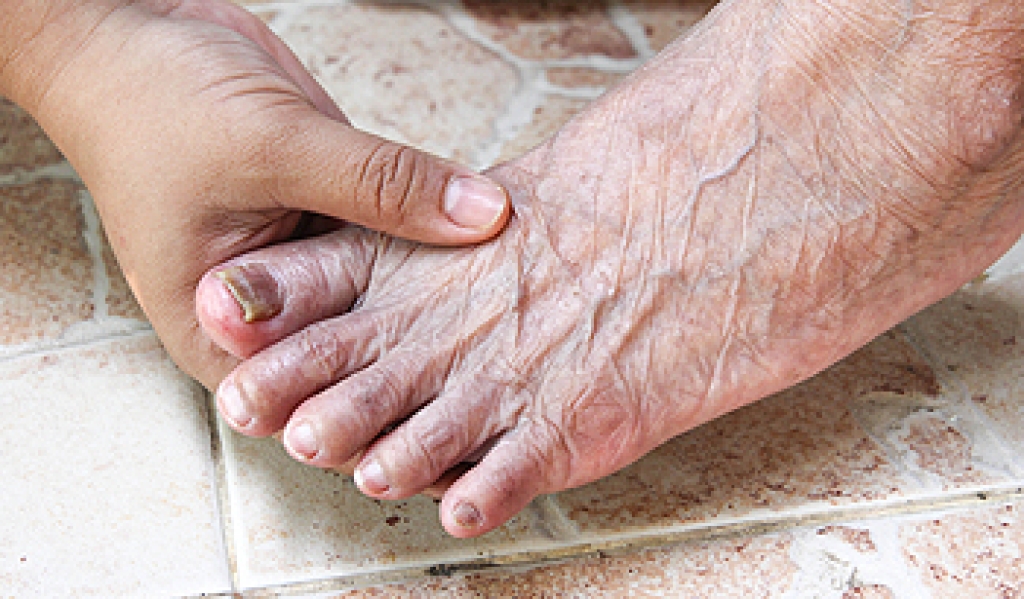
The medical condition that is known as arthritis often causes pain and swelling in the joints of the toes. The toes may have difficulty in bending upwards or may permanently become bent in a downward position. Walking may be challenging, in addition to standing flat on the floor. The most common form of arthritis is referred to as rheumatoid arthritis. This ailment can affect several joints in the toes simultaneously and can be quite painful. Additional types of arthritis include gout, which develops as a result of excess uric acid in the bloodstream. Medical conditions such as psoriasis can cause psoriatic arthritis, and joint pain can occur after the skin is affected. If you are experiencing arthritis in the feet, it is advised that you consult with a podiatrist who can guide you toward proper treatment.

Arthritis can be a difficult condition to live with. If you are seeking treatment, contact one of our podiatrists from Pennsylvania Foot & Ankle. Our doctors can provide the care you need to keep you pain-free and on your feet.

Arthritic Foot Care  

Arthritis is a term that is commonly used to describe joint pain.  The condition itself can occur to anyone of any age, race, or gender, and there are over 100 types of it.  Nevertheless, arthritis is more commonly found in women compared to men, and it is also more prevalent in those who are overweight. The causes of arthritis vary depending on which type of arthritis you have. Osteoarthritis for example, is often caused by injury, while rheumatoid arthritis is caused by a misdirected immune system.

Symptoms

  • Swelling
  • Pain
  • Stiffness
  • Decreased Range of Motion

Arthritic symptoms range in severity, and they may come and go. Some symptoms stay the same for several years but could potentially get worse with time. Severe cases of arthritis can prevent its sufferers from performing daily activities and make walking difficult.

Risk Factors

  • Occupation – Occupations requiring repetitive knee movements have been linked to osteoarthritis
  • Obesity – Excess weight can contribute to osteoarthritis development
  • Infection – Microbial agents can infect the joints and trigger arthritis
  • Joint Injuries – Damage to joints may lead to osteoarthritis
  • Age – Risk increases with age
  • Gender –Most types are more common in women
  • Genetics – Arthritis can be hereditary

If you suspect your arthritis is affecting your feet, it is crucial that you see a podiatrist immediately. Your doctor will be able to address your specific case and help you decide which treatment method is best for you.

If you have any questions please feel free to contact one of our offices located in Bensalem, Philadelphia, Northeast Philadelphia, Yardley, PA, and Hamilton, NJ . We offer the newest diagnostic tools and technology to treat your foot and ankle needs.

Read more about How to Care for Your Arthritic Foot

Foot Pain May Develop from Wearing High Heels

There are many people who enjoy wearing high heels. This type of shoe can enhance the appearance of the legs by making them look longer and thinner. Potential damage to the foot may be diminished if proper stretching exercises are frequently performed, thereby strengthening the foot. Many people may experience heel pain, and this may be a result of shortened calf muscles. There are many foot conditions that can gradually develop from wearing high heels. These may include ingrown toenails, bunions, or Morton’s neuroma, which is a form of nerve damage that occurs between the toes. If you would like additional information about how high heels can affect the feet, consulting with a podiatrist is recommended.

High heels have a history of causing foot and ankle problems. If you have any concerns about your feet or ankles, contact one of our podiatrists from Pennsylvania Foot & Ankle. Our doctors can provide the care you need to keep you pain-free and on your feet.

Effects of High Heels on the Feet

High heels are popular shoes among women because of their many styles and societal appeal.  Despite this, high heels can still cause many health problems if worn too frequently.

Which Parts of My Body Will Be Affected by High Heels?

  • Ankle Joints
  • Achilles Tendon – May shorten and stiffen with prolonged wear
  • Balls of the Feet
  • Knees – Heels cause the knees to bend constantly, creating stress on them
  • Back – They decrease the spine’s ability to absorb shock, which may lead to back pain.  The vertebrae of the lower back may compress.

What Kinds of Foot Problems Can Develop from Wearing High Heels?

  • Corns
  • Calluses
  • Hammertoe
  • Bunions
  • Morton’s Neuroma
  • Plantar Fasciitis

How Can I Still Wear High Heels and Maintain Foot Health?

If you want to wear high heeled shoes, make sure that you are not wearing them every day, as this will help prevent long term physical problems.  Try wearing thicker heels as opposed to stilettos to distribute weight more evenly across the feet.  Always make sure you are wearing the proper shoes for the right occasion, such as sneakers for exercising.  If you walk to work, try carrying your heels with you and changing into them once you arrive at work.  Adding inserts to your heels can help cushion your feet and absorb shock. Full foot inserts or metatarsal pads are available. 

If you have any questions, please feel free to contact one of our offices located in Bensalem, Philadelphia, Northeast Philadelphia, Yardley, PA, and Hamilton, NJ . We offer the newest diagnostic and treatment technologies for all your foot care needs.

Read more about Effect of High Heels on the Feet

How to Care for Wounds

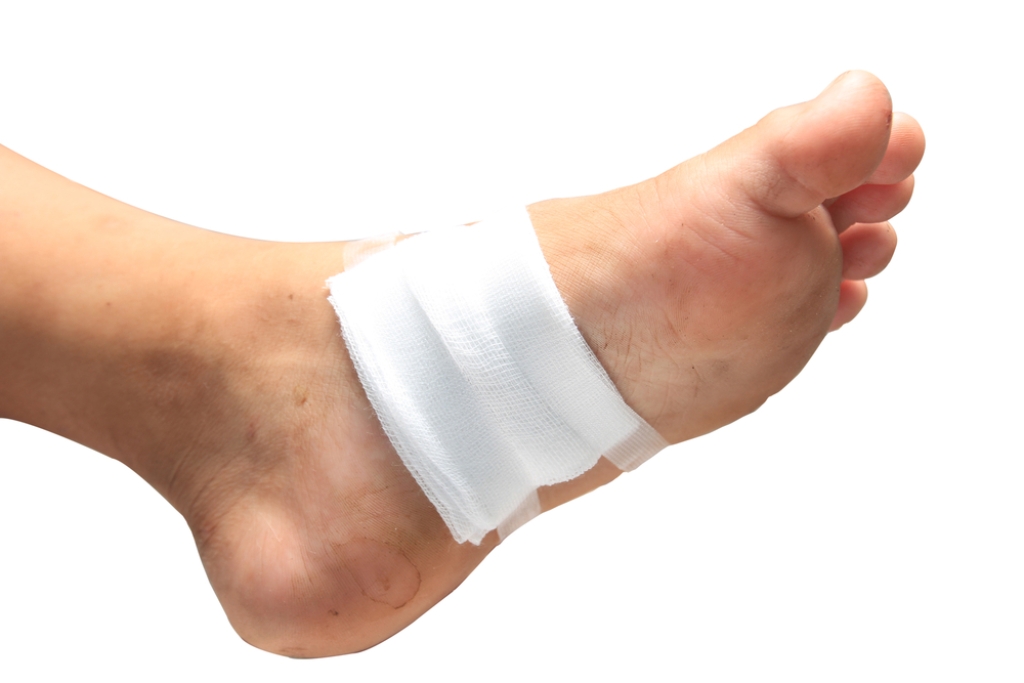
When existing wounds are treated promptly and correctly, there is a difference between a quick recovery and a longer healing time. It is helpful to wash the surface of the wound with salt water, followed by wiping the area with sterile gauze. If bleeding is present, it is helpful to apply pressure to the affected area. This is often accomplished by covering the wound with a dry cloth, and exerting pressure on it for several minutes. Research has indicated it is beneficial to cover moist wounds with dressings, and this may accelerate the healing process. If you have wounds on your feet, it is suggested to be under the care of a podiatrist, who can guide you toward proper wound care.

Wound care is an important part in dealing with diabetes. If you have diabetes and a foot wound or would like more information about wound care for diabetics, consult with one of our podiatrists from Pennsylvania Foot & Ankle. Our doctors will assess your condition and provide you with quality foot and ankle treatment.

What Is Wound Care?

Wound care is the practice of taking proper care of a wound. This can range from the smallest to the largest of wounds. While everyone can benefit from proper wound care, it is much more important for diabetics. Diabetics often suffer from poor blood circulation which causes wounds to heal much slower than they would in a non-diabetic. 

What Is the Importance of Wound Care?

While it may not seem apparent with small ulcers on the foot, for diabetics, any size ulcer can become infected. Diabetics often also suffer from neuropathy, or nerve loss. This means they might not even feel when they have an ulcer on their foot. If the wound becomes severely infected, amputation may be necessary. Therefore, it is of the upmost importance to properly care for any and all foot wounds.

How to Care for Wounds

The best way to care for foot wounds is to prevent them. For diabetics, this means daily inspections of the feet for any signs of abnormalities or ulcers. It is also recommended to see a podiatrist several times a year for a foot inspection. If you do have an ulcer, run the wound under water to clear dirt from the wound; then apply antibiotic ointment to the wound and cover with a bandage. Bandages should be changed daily and keeping pressure off the wound is smart. It is advised to see a podiatrist, who can keep an eye on it.

If you have any questions please contact one of our offices located in Bensalem, Philadelphia, Northeast Philadelphia, Yardley, PA, and Hamilton, NJ . We offer the newest diagnostic and treatment technologies for all your foot and ankle needs.

Read more about Wound Care

Are You Suffering From Ingrown Toenails?

If left untreated, an ingrown toenail can lead to more serious concerns, such as an infection. Knowing proper nail care can help in the prevention of an ingrown toenail. Give us a call, and get treated!

Practicing Yoga May Benefit the Feet

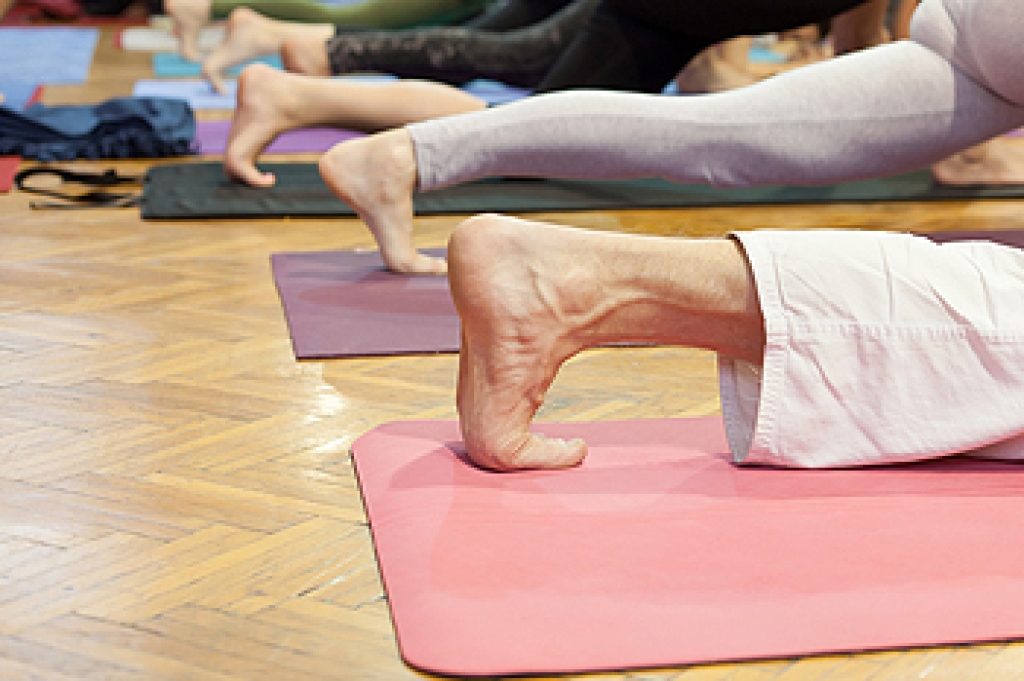
As the weather gets warmer, many people enjoy spending time outdoors. When the feet are properly stretched, aches and pains in the feet may diminish, and this can help to make daily activities more enjoyable. Research has indicated that practicing yoga may be beneficial in developing balanced alignment in the feet, which may positively affect the overall health of the body. Additionally, when proper stretching techniques are implemented, the healing process may be accelerated in existing foot conditions. One particular stretch, called "weaving," may be helpful in finding mild relief from an aching bunion. This is achieved by weaving your fingers through the toes on the opposite foot, creating space between them. If you would like additional information about the benefits of stretching the feet, it is suggested that you speak to a podiatrist.

Stretching the feet is a great way to prevent injuries. If you have any concerns with your feet consult with one of our podiatrists from Pennsylvania Foot & Ankle. Our doctors will assess your condition and provide you with quality foot and ankle treatment.

Stretching the Feet

Stretching the muscles in the foot is an important part in any physical activity. Feet that are tight can lead to less flexibility and make you more prone to injury. One of the most common forms of foot pain, plantar fasciitis, can be stretched out to help ease the pain. Stretching can not only ease pain from plantar fasciitis but also prevent it as well. However, it is important to see a podiatrist first if stretching is right for you. Podiatrists can also recommend other ways to stretch your feet. Once you know whether stretching is right for you, here are some excellent stretches you can do.

  • Using a foam roller or any cylindrical object (a water bottle or soda can will do), roll the object under your foot back and forth. You should also exert pressure on the object. Be sure to do this to both feet for a minute. Do this exercise three times each.
  • Similar to the previous one, take a ball, such as a tennis ball, and roll it under your foot while seated and exert pressure on it.
  • Grab a resistance band or towel and take a seat. If you are using a towel, fold it length wise. Next put either one between the ball of your foot and heel and pull with both hands on each side towards you. Hold this for 15 seconds and then switch feet. Do this three times for each foot.
  • Finally hold your big toe while crossing one leg over the other. Pull the toe towards you and hold for 15 seconds. Once again do this three times per foot.

It is best to go easy when first stretching your foot and work your way up. If your foot starts hurting, stop exercising and ice and rest the foot. It is advised to then see a podiatrist for help.

If you have any questions please contact one of our offices located in Bensalem, Philadelphia, Northeast Philadelphia, Yardley, PA, and Hamilton, NJ . We offer the newest diagnostic and treatment technologies for all your foot and ankle needs.

Read more about How to Stretch Your Feet

Where Are Plantar Warts Located?

A plantar wart differs from other warts because it is found on the heel of the foot. It is known to grow inward as a result of pressure that is put on the heel while walking and can cause severe pain and discomfort. This type of wart is considered to be contagious, and it is suggested to speak to your child about refraining from sharing shoes and towels. It appears as a small, hardened area of skin, and may have black dots in the center. If the wart begins to spread or causes chronic pain, it is suggested that you speak to a podiatrist who can recommend effective methods of treatments. These may include applying prescribed medication, or possibly injecting the site with specific medicine. It is strongly recommended that your child keep all follow-up appointments, which may aid in attaining a complete recovery.

Plantar warts can be very uncomfortable. If you need your feet checked, contact one of our podiatrists from Pennsylvania Foot & Ankle. Our doctors will assist you with all of your foot and ankle needs.

About Plantar Warts

Plantar warts are the result of HPV, or human papillomavirus, getting into open wounds on the feet. They are mostly found on the heels or balls of the feet.

While plantar warts are generally harmless, those experiencing excessive pain or those suffering from diabetes or a compromised immune system require immediate medical care. Plantar warts are easily diagnosed, usually through scraping off a bit of rough skin or by getting a biopsy.

Symptoms

  • Lesions on the bottom of your feet, usually rough and grainy
  • Hard or thick callused spots
  • Wart seeds, which are small clotted blood vessels that look like little black spots
  • Pain, discomfort, or tenderness of your feet when walking or standing

Treatment

  • Freezing
  • Electric tool removal
  • Laser Treatment
  • Topical Creams (prescription only)
  • Over-the-counter medications

To help prevent developing plantar warts, avoid walking barefoot over abrasive surfaces that can cause cuts or wounds for HPV to get into. Avoiding direct contact with other warts, as well as not picking or rubbing existing warts, can help prevent the further spread of plantar warts. However, if you think you have developed plantar warts, speak to your podiatrist. He or she can diagnose the warts on your feet and recommend the appropriate treatment options.

If you have any questions, please feel free to contact one of our offices located in Bensalem, Philadelphia, Northeast Philadelphia, Yardley, PA, and Hamilton, NJ . We offer the newest diagnostic and treatment technologies for all your foot care needs.

Read more about Plantar Warts

Symptoms of Morton’s Neuroma

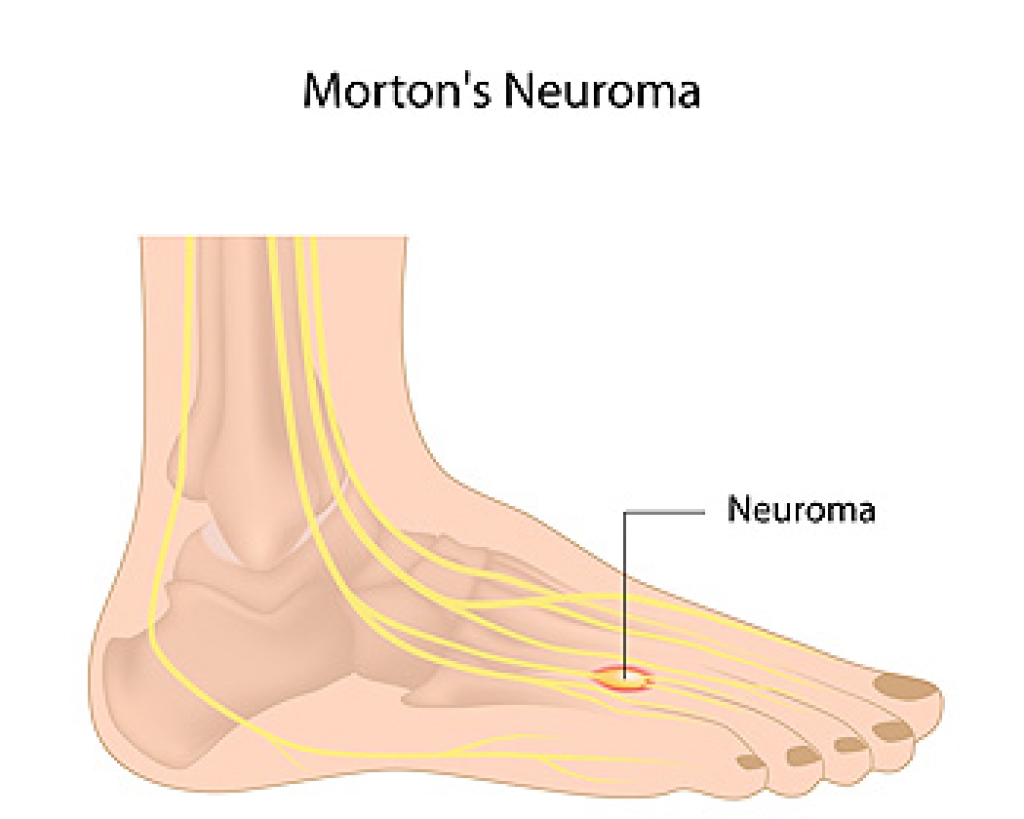
The place on the foot where pain from Morton’s neuroma is typically felt is the bottom of the third and fourth toes. This condition can develop as a result of a swollen nerve in the ball of the foot. Some of the symptoms that patients may experience can include numbness or a tingling sensation, a burning pain, or a feeling that something is inside the bottom of the foot. There are, however, some methods that can be implemented which may help in finding mild relief. These may include performing exercises to aid in strengthening and stretching the foot, in addition to massage therapy. Patients may also find comfort in resting the foot, or wearing shoes that have adequate room for the toes to move freely. If you have any kind of pain in your foot, it is suggested that you speak to a podiatrist who can properly diagnose and treat the cause.

Morton’s neuroma is a very uncomfortable condition to live with. If you think you have Morton’s neuroma, contact one of our podiatrists of Pennsylvania Foot & Ankle. Our doctors will attend to all of your foot care needs and answer any of your related questions.  

Morton’s Neuroma

Morton's neuroma is a painful foot condition that commonly affects the areas between the second and third or third and fourth toe, although other areas of the foot are also susceptible. Morton’s neuroma is caused by an inflamed nerve in the foot that is being squeezed and aggravated by surrounding bones.

What Increases the Chances of Having Morton’s Neuroma?

  • Ill-fitting high heels or shoes that add pressure to the toe or foot
  • Jogging, running or any sport that involves constant impact to the foot
  • Flat feet, bunions, and any other foot deformities

Morton’s neuroma is a very treatable condition. Orthotics and shoe inserts can often be used to alleviate the pain on the forefront of the feet. In more severe cases, corticosteroids can also be prescribed. In order to figure out the best treatment for your neuroma, it’s recommended to seek the care of a podiatrist who can diagnose your condition and provide different treatment options.

If you have any questions, please feel free to contact one of our offices located in Bensalem, Philadelphia, Northeast Philadelphia, Yardley, PA, and Hamilton, NJ . We offer the newest diagnostic and treatment technologies for all your foot care needs.

Read more about What is Morton's Neuroma?

How to Prevent Athlete’s Foot

The symptoms of a condition that is referred to as athlete’s foot may consist of dry, flaky and cracked skin between the toes or on the soles of the feet. It is typically caused by a fungus which thrives in warm and moist areas. These may include public swimming pools, shower room floors, or locker rooms. It is known to be extremely contagious, and there are measures that can be implemented to avoid contracting athlete’s foot. These may consist of wearing appropriate shoes in public areas, and keeping your shoes and socks dry. Additionally, it may be helpful to wash and dry your feet daily, followed by utilizing a powder between the toes. This may aid in keeping the feet dry. If you have athlete’s foot, it is advised to consult with a podiatrist who can properly diagnosis and treat this condition.

Athlete’s Foot

Athlete’s foot is often an uncomfortable condition to experience. Thankfully, podiatrists specialize in treating athlete’s foot and offer the best treatment options. If you have any questions about athlete’s foot, consult with one of our podiatrists from Pennsylvania Foot & Ankle. Our doctors will assess your condition and provide you with quality treatment.

What Is Athlete’s Foot?

Tinea pedis, more commonly known as athlete’s foot, is a non-serious and common fungal infection of the foot. Athlete’s foot is contagious and can be contracted by touching someone who has it or infected surfaces. The most common places contaminated by it are public showers, locker rooms, and swimming pools. Once contracted, it grows on feet that are left inside moist, dark, and warm shoes and socks.

Prevention

The most effective ways to prevent athlete’s foot include:

  • Thoroughly washing and drying feet
  • Avoid going barefoot in locker rooms and public showers
  • Using shower shoes in public showers
  • Wearing socks that allow the feet to breathe
  • Changing socks and shoes frequently if you sweat a lot

Symptoms

Athlete’s foot initially occurs as a rash between the toes. However, if left undiagnosed, it can spread to the sides and bottom of the feet, toenails, and if touched by hand, the hands themselves. Symptoms include:

  • Redness
  • Burning
  • Itching
  • Scaly and peeling skin

Diagnosis and Treatment

Diagnosis is quick and easy. Skin samples will be taken and either viewed under a microscope or sent to a lab for testing. Sometimes, a podiatrist can diagnose it based on simply looking at it. Once confirmed, treatment options include oral and topical antifungal medications.

If you have any questions, please feel free to contact one of our offices located in Bensalem, Philadelphia, Northeast Philadelphia, Yardley, PA, and Hamilton, NJ . We offer the newest diagnostic and treatment technologies for all your foot care needs.

Read more about How to Deal with Athlete's Foot

Flip Flops May Provide Inadequate Stability

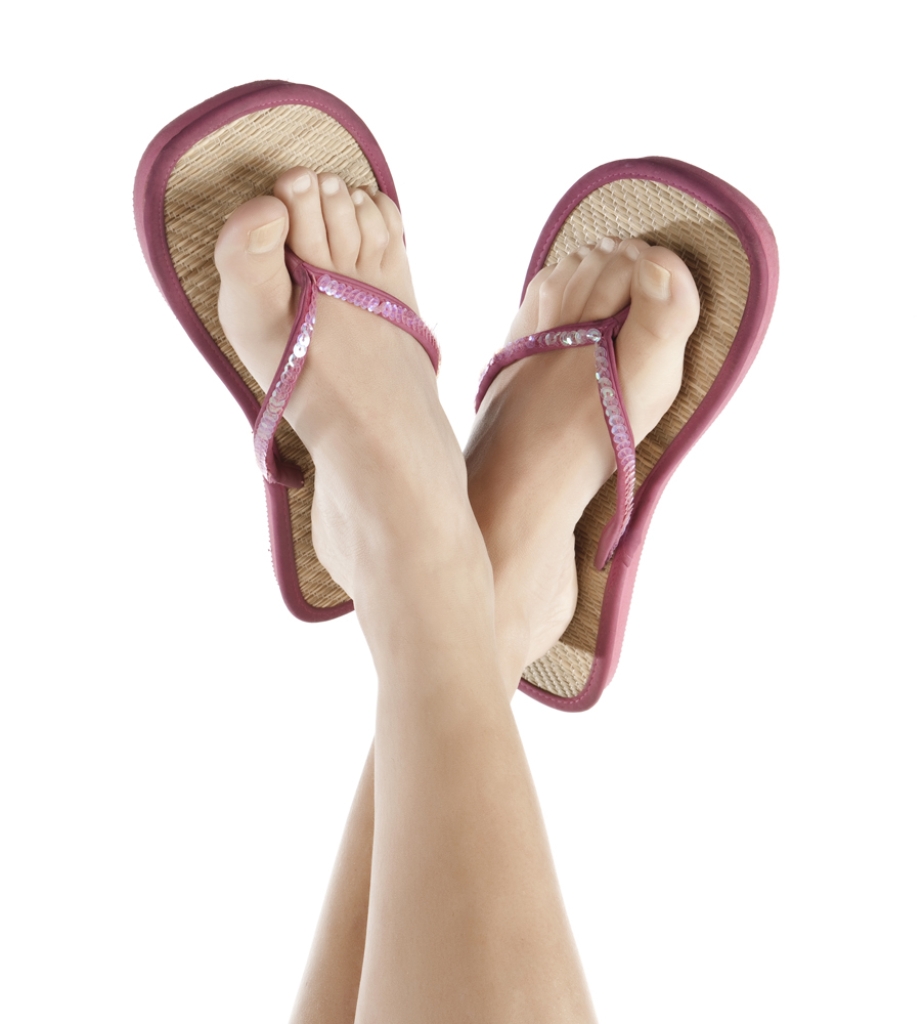
The name of the shoes that are known as flip flops comes from the sound that is made while they are being worn. Despite the fact they are a popular summer shoe and are fun to wear, they may cause subtle changes to the foot as a result of the change in gait. The majority of flip flops do not provide adequate support and stability for the foot, and this may cause the toes to grip the front of the shoe. Pain may gradually be felt in the sole of the foot, and this may be indicative of plantar fasciitis. Many people find their ankles may roll inward while walking in an effort to keep the shoe on, and this may lead to unwanted ankle problems. There may be other choices of shoes to wear that can positively affect the foot, and if you would like additional information about this, it is suggested to speak to a podiatrist.

Flip-flops are not always the best choice of footwear. If you have any concerns about your feet or ankles, contact one of our podiatrists from Pennsylvania Foot & Ankle. Our doctors will assist you with all of your foot and ankle needs.

Flip-Flops and Feet

When the weather starts warming up, people enjoy wearing flip-flops.  Flip-flops are comfortable, stylish, and easy to slip on and off; they're perfect for any summer beach goer.  However, these shoes can cause harm to the feet.

How Can Flip-Flops Affect Me Long-Term?

  • Ankle problems
  • Hip problems
  • Lower back problems
  • Pain in the balls of the feet
  • Problems with foot arches
  • Changes in the way you walk

Are There Injuries Associated with Flip-Flops?

Yes.  Since flip-flops are relatively weak and do not provide the same amount of support as sneakers, people who wear flip-flops regularly are more susceptible to injuries. On top of that, the open nature of the shoe makes your feet more prone to other problems, such as cuts and even infections.  Common injuries and ailments include:

  • Sprained ankles
  • Blisters
  • Infections
  • Cuts and Scrapes

I like Wearing Flip-Flops. Are There Safe Alternatives?

When buying flip-flops, try to find ones that have sturdy soles and that are made of high-quality materials that will support for your feet.  These flip-flops will cost more but will also last longer as a result.

If you have any questions, please feel free to contact one of our offices located in Bensalem, Philadelphia, Northeast Philadelphia, Yardley, PA, and Hamilton, NJ . We offer the newest diagnostic and treatment technologies for all your foot care needs.

Read more about Flip Flops and Feet

Does My Child Have Toenail Fungus?

If you notice your child’s toenails are becoming yellow or white, he or she may have a toenail fungus. It is caused by a virus that lives in moist and warm environments and is considered to be contagious. This may occur if your child walks barefoot in public pools and surrounding areas. Additionally, it may develop from wearing shoes and socks for an extended period of time, which may cause the feet to become sweaty and warm. If your child is afflicted with toenail fungus, it may be beneficial to make sure the feet get washed often, in addition to properly trimming the toenails. If you notice your child has these symptoms, it is advised that you speak to a podiatrist who can prescribe effective medication.

For more information about treatment, contact one of our podiatrists of Pennsylvania Foot & Ankle. Our doctors can provide the care you need to keep you pain-free and on your feet.

Toenail Fungus Treatment

Toenail fungus is a condition that affects many people and can be especially hard to get rid of. Fortunately, there are several methods to go about treating and avoiding it.

Antifungals & Deterrence

Oral antifungal medicine has been shown to be effective in many cases. It is important to consult with a podiatrist to determine the proper regiment for you, or potentially explore other options.

Applying foot powder on the feet and shoes helps keep the feet free of moisture and sweat.

Sandals or open toed shoes – Wearing these will allow air movement and help keep feet dry. They also expose your feet to light, which fungus cannot tolerate. Socks with moisture wicking material also help as well.

If you have any questions please contact one of our offices located in Bensalem, Philadelphia, Northeast Philadelphia, Yardley, PA, and Hamilton, NJ . We offer the newest diagnostic and treatment technologies for all your foot and ankle needs.

Read more about How to Treat Your Toenail Fungus

Connect With Us