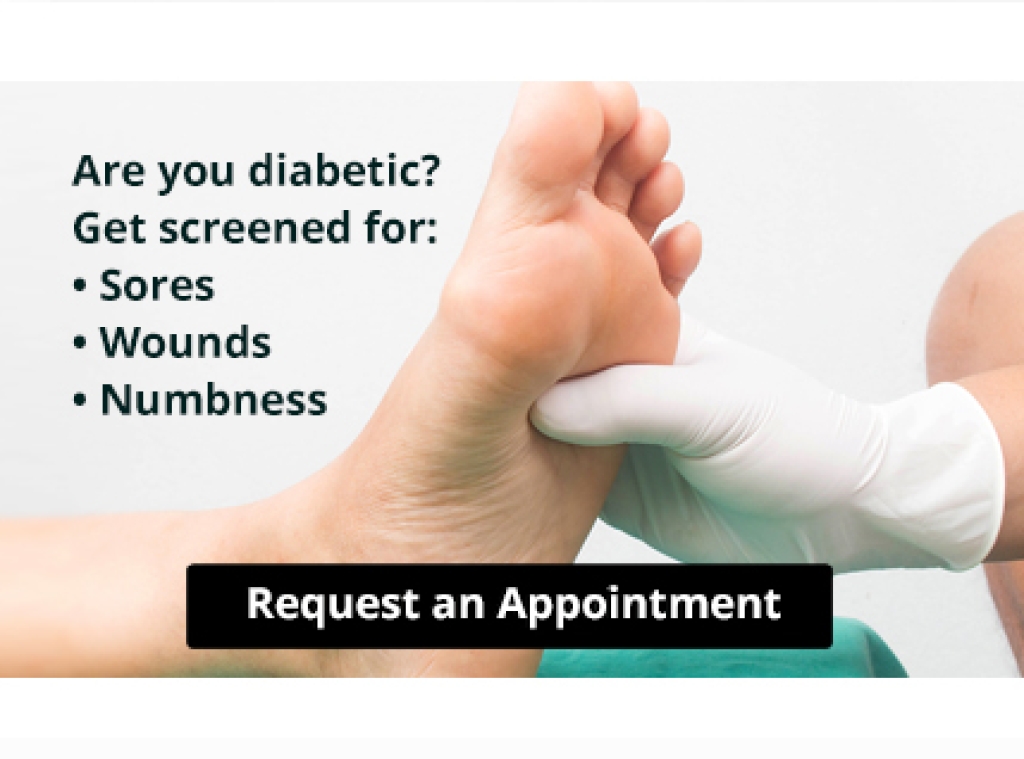
Your feet are covered most of the day. If you're diabetic, periodic screening is important for good health. Numbness is often a sign of diabetic foot and can mask a sore or wound.
Your feet are covered most of the day. If you're diabetic, periodic screening is important for good health. Numbness is often a sign of diabetic foot and can mask a sore or wound.
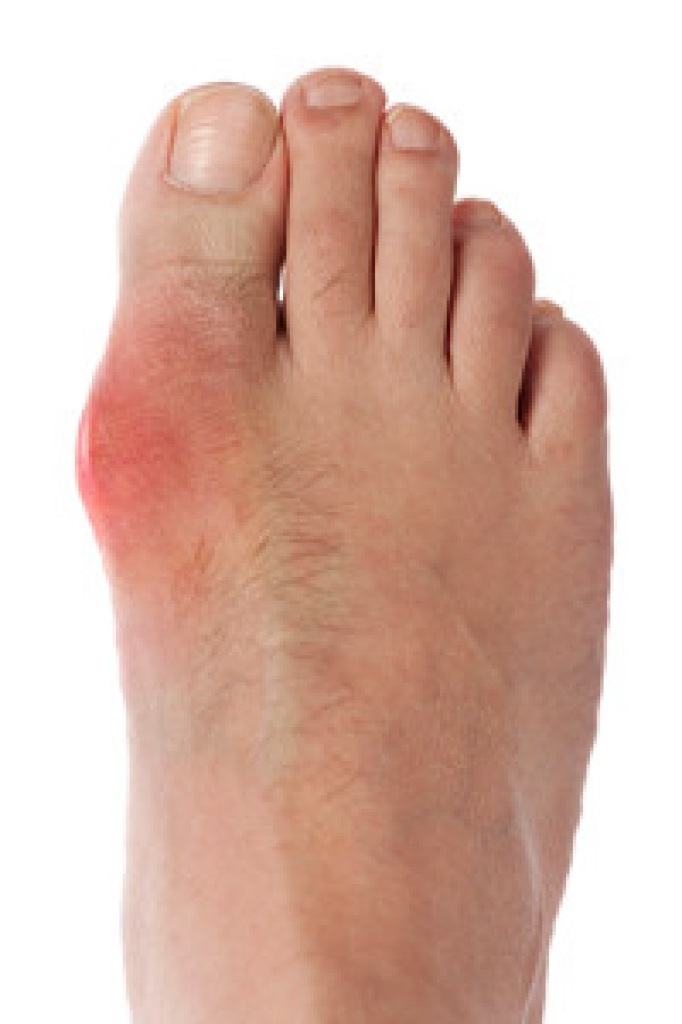
If the joint in the big toe becomes red, inflamed, and painful, you may be suffering from a condition referred to as gout. It typically affects men over the age of 40 and can lead to serious health issues, such as kidney disease, if left untreated. There are numerous factors for people to suffer from gout, which may include a predisposed inherited gene, extreme amounts of alcohol being ingested on a regular basis, or taking certain medications. Gout is not easily overlooked, because the symptoms develop rapidly and may be severe. The joint will be tender and swollen, and the skin may feel hot and inflamed. Treatment options will include taking medicine to reduce the inflammation. Additionally, it may be beneficial to consider certain lifestyle changes to prevent further attacks from occurring. Please consider a consultation with a podiatrist for a proper evaluation and the treatment options for you.
Gout is a foot condition that requires certain treatment and care. If you are seeking treatment, contact one of our podiatrists from Pennsylvania Foot & Ankle. Our doctors will treat your foot and ankle needs.
What Is Gout?
Gout is a type of arthritis caused by a buildup of uric acid in the bloodstream. It often develops in the foot, especially the big toe area, although it can manifest in other parts of the body as well. Gout can make walking and standing very painful and is especially common in diabetics and the obese.
People typically get gout because of a poor diet. Genetic predisposition is also a factor. The children of parents who have had gout frequently have a chance of developing it themselves.
Gout can easily be identified by redness and inflammation of the big toe and the surrounding areas of the foot. Other symptoms include extreme fatigue, joint pain, and running high fevers. Sometimes corticosteroid drugs can be prescribed to treat gout, but the best way to combat this disease is to get more exercise and eat a better diet.
If you have any questions, please feel free to contact one of our offices located in Bensalem, Philadelphia, Northeast Philadelphia, Yardley, PA, and Hamilton, NJ . We offer the newest diagnostic and treatment technologies for all your foot care needs.
 If you have flat feet, or a loss of the instep in your foot, you may experience heel pain that’s referred to as plantar fasciitis. Severe pain in the heel is often the result of inflammation of the ligament that runs along the bottom of the foot, known as the plantar fascia. This can be caused by wearing shoes that fit poorly or from an injury that damages the tissues. The Achilles tendon, which connects the heel to the foot, may also be affected, and it’s beneficial to incorporate stretching exercises into your daily routine. This will enhance the healing process and possibly relieve any discomfort associated with this ailment. There are several effective exercises which can accomplish this when performed daily. Some of these include standing on a step with the heels slightly hanging off and raising and lowering the leg. Additionally, rolling the arch of the foot over a tennis ball or a similar object will aid in helping the plantar fascia to become stronger.
Plantar fasciitis can be very painful and inconvenient. If you are experiencing heel pain or symptoms of plantar fasciitis, contact one of our podiatrists from Pennsylvania Foot & Ankle. Our doctors can provide the care you need to keep you pain-free and on your feet.
What Is Plantar Fasciitis?
Plantar fasciitis is the inflammation of the thick band of tissue that runs along the bottom of your foot, known as the plantar fascia, and causes mild to severe heel pain.
What Causes Plantar Fasciitis?
How Can It Be Treated?
While very treatable, plantar fasciitis is definitely not something that should be ignored. Especially in severe cases, speaking to your doctor right away is highly recommended to avoid complications and severe heel pain. Your podiatrist can work with you to provide the appropriate treatment options tailored to your condition.
If you have any questions, please feel free to contact one of our offices located in Bensalem, Philadelphia, Northeast Philadelphia, Yardley, PA, and Hamilton, NJ . We offer the newest diagnostic and treatment technologies for all your foot care needs.
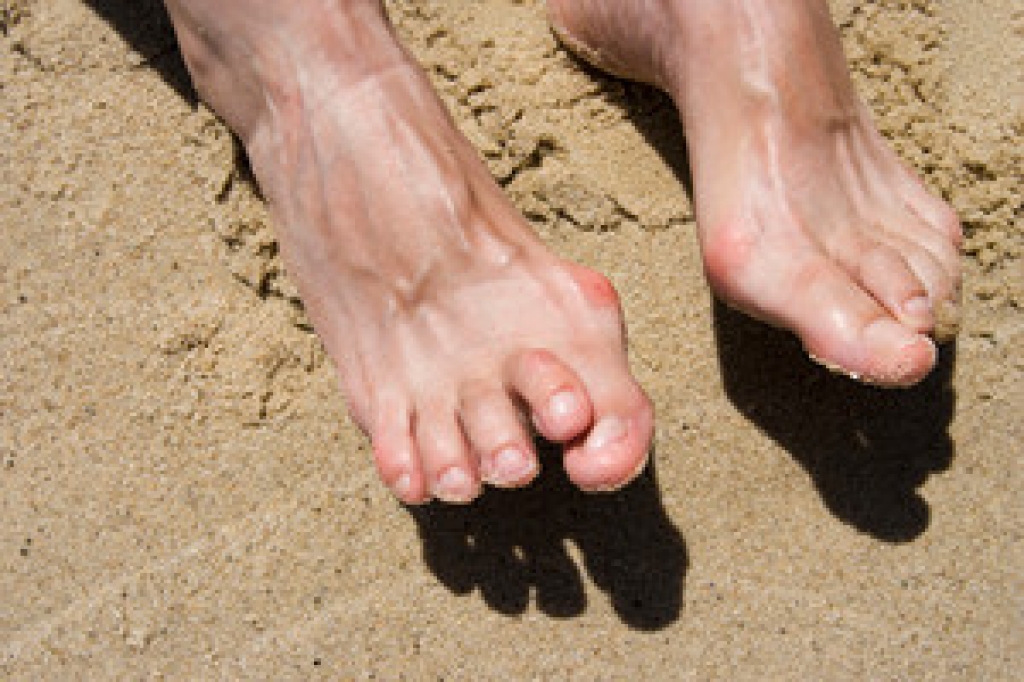 Hammertoe is a foot condition which affects the toes, causing the joints to become deformed. Choosing to wear shoes that fit tightly is often the cause of this condition, resulting in the toes bending into a forced, abnormal position. The shoes will rub on the toe which causes friction, and corns and calluses will most likely develop. Additionally, medical conditions that presently exist, such as diabetes and arthritis, may contribute to the development of hammertoes. There are treatment options available, including splints to realign the toe and orthotics specifically designed to accommodate the affected toe. A consultation with a podiatrist is advised to learn about choosing proper footwear and advice on how to treat hammertoe.
Hammertoe
Hammertoes can be a painful condition to live with. For more information, contact one of our podiatrists from Pennsylvania Foot & Ankle. Our doctors will answer any of your foot- and ankle-related questions.
Hammertoe is a foot deformity that affects the joints of the second, third, fourth, or fifth toes of your feet. It is a painful foot condition in which these toes curl and arch up, which can often lead to pain when wearing footwear.
Symptoms
Causes
Genetics – People who are genetically predisposed to hammertoe are often more susceptible
Arthritis – Because arthritis affects the joints in your toes, further deformities stemming from arthritis can occur
Trauma – Direct trauma to the toes could potentially lead to hammertoe
Ill-fitting shoes – Undue pressure on the front of the toes from ill-fitting shoes can potentially lead to the development of hammertoe
Treatment
Orthotics – Custom made inserts can be used to help relieve pressure placed on the toes and therefore relieve some of the pain associated with it
Medications – Oral medications such as anti-inflammatories or NSAIDs could be used to treat the pain and inflammation hammertoes causes. Injections of corticosteroids are also sometimes used
Surgery – In more severe cases where the hammertoes have become more rigid, foot surgery is a potential option
If you have any questions, please feel free to contact one of our offices located in Bensalem, Philadelphia, Northeast Philadelphia, Yardley, PA, and Hamilton, NJ . We offer the newest diagnostic and treatment technologies for all your foot care needs.
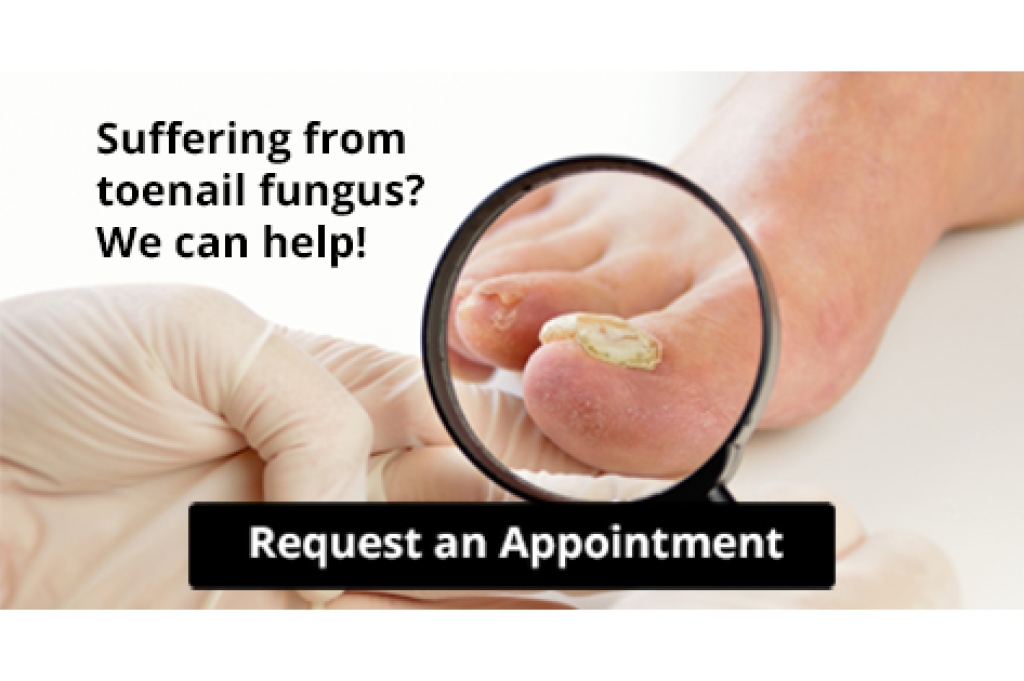
You don't need an excuse to have beautiful nails. Step outside without worrying about the appearance of your feet.
Connect With Us
