How to Find Shoes That Fit Perfectly

The importance of buying the correct size shoe is crucial to the overall health of the foot. An object that is referred to as the Brannock shoe measuring device is designed to determine the exact size of your foot. This is found in most shoe stores and has proven to be an effective way to choose the right size shoe. Most people will have one foot that is larger than the other and this may typically be due to an inherited trait. Additionally, shoe sizes may change as a result of specific foot conditions such as bunions or hammertoes. Pregnancy will generally affect the size of the foot, and may become wider and longer because of weakened ligaments. Research has shown that buying shoes during the middle of the day is beneficial in finding the perfect fit, because the feet are generally larger during this time of  day. It may be beneficial to notice what material the soles are made of, which may help in preventing any type of sharp object from penetrating the shoe.

It is important to find shoes that fit you properly in order to avoid a variety of different foot problems. For more information about treatment, contact one of our podiatrists from Pennsylvania Foot & Ankle. Our doctors will treat your foot and ankle needs.

Proper Shoe Fitting

Shoes have many different functions. They cushion our body weight, protect our feet, and allow us to safely play sports. You should always make sure that the shoes you wear fit you properly in order to avoid injuries and deformities such as: bunions, corns, calluses, hammertoes, plantar fasciitis, stress fractures, and more. It is important to note that although a certain pair of shoes might be a great fit for someone else, that doesn’t mean they will be a great fit for you. This is why you should always try on shoes before buying them to make sure they are worth the investment. Typically, shoes need to be replaced ever six months to one year of regular use.

Tips for Proper Shoe Fitting

  • Select a shoe that is shaped like your foot
  • Don’t buy shoes that fit too tight, expecting them to stretch to fit
  • Make sure there is enough space (3/8” to ½”) for your longest toe at the end of each shoe when you are standing up
  • Walk in the shoes to make sure they fit and feel right
  • Don’t select shoes by the size marked inside the shoe, but by how the shoe fits your foot

The shoes you buy should always feel as good as they look. Shoes that fit properly will last longer, feel better, and improve your way of life each day.

If you have any questions please contact one of our offices located in Bensalem, Philadelphia, Northeast Philadelphia, Yardley, PA, and Hamilton, NJ . We offer the newest diagnostic and treatment technologies for all your foot and ankle needs.
Read more about Proper Shoe Fitting

Heel Pain Can Be Treated!

Do you suffer from heel pain when you get up in the morning? If so, you should seek professional help and have a proper diagnosis performed. Heel pain can be caused by several different foot-related conditions.

The Importance of Properly Stretching The Feet While Working

For people who stand or walk during work for the majority of the day, it may be common to experience pain, discomfort and muscle strain throughout the body. Research has shown the importance of wearing proper footwear that will provide the necessary support for optimum comfort. Flip flops, high heels, and sandals may not be the best choice for working on your feet all day. These types of shoes may alter the way you walk, in addition to possibly cramping the toes or shortening the stride. It may be beneficial to stretch the feet before and after work. This may aid in developing the necessary muscle strength to help the feet to feel more comfortable during the day. Effective exercises that may accomplish this, are pointing and flexing the feet, in addition to performing exercises that strengthen the hips, legs, and feet. Please consult with a podiatrist for suggestions and additional information on how to properly stretch your feet.

While working on the feet, it is important to take the proper care of them. For more information about working on your feet, contact one of our podiatrists from Pennsylvania Foot & Ankle. Our doctors will treat your foot and ankle needs.

Working on Your Feet

Standing on your feet for long periods of time can cause stress and pain in your feet. Your whole body may experience change in terms of posture, back pain, bunions, callouses and or plantar warts. There are ways to avoid these conditions with proper foot care, smart choices and correct posture.

Positive Changes

Negative heeled shoe – Choosing this shoe type places the heel slightly lower than the ball of the foot. These are great for overall foot health. Find shoes that fit you correctly.

Go barefoot – Our feet were not designed to be enclosed for all hours of the day. Try to periodically expose your feet to air.

Eliminate Pain

Foot Exercises – Performing simple exercises, incorporating yoga and doing stretches are beneficial. This will allow increased blood flow to the area and muscles of the foot.

Achilles tendon – Stretching the foot out flat on the floor will relax the calf muscles and tendon. These exercises can be performed almost anywhere. Make sure you add these exercises to your daily regimen. 

With a little bit of this information and knowing more about foot health, you will notice changes. Foot stretches and proper footwear will help with pain and prevent further issues.

If you have any questions please contact one of our offices located in Bensalem, Philadelphia, Northeast Philadelphia, Yardley, PA, and Hamilton, NJ . We offer the newest diagnostic and treatment technologies for all your foot and ankle needs.
Read more about Working on Your Feet

Why Do Corns Develop?

People who are physically active will often feel the effects of corns on the feet. This condition is generally caused by repetitive friction and will commonly develop on the pinky toe. Despite the fact that the formation of corns is the body's natural defense mechanism, it often produces severe pain and discomfort. The affected area becomes thicker as a measure to protect the skin. This develops into a corn, and is typically caused by wearing shoes that fit incorrectly. Additionally, soft corns may develop between the toes as a result of excess moisture that may accumulate. This may often be the result of wearing socks that are not made of a breathable material. Corns may disappear when the correct shoes are worn but if severe pain is experienced from a corn, please consult with a podiatrist.

If you have any concerns regarding your feet and ankles, contact one of our podiatrists of Pennsylvania Foot & Ankle. Our doctors will treat your foot and ankle needs.

Corns: What Are They? and How Do You Get Rid of Them?
Corns can be described as areas of the skin that have thickened to the point of becoming painful or irritating. They are often layers and layers of the skin that have become dry and rough, and are normally smaller than calluses.

Ways to Prevent Corns
There are many ways to get rid of painful corns such as wearing:

  • Well-fitting socks
  • Comfortable shoes that are not tight around your foot
  • Shoes that offer support

Treating Corns
Treatment of corns involves removing the dead skin that has built up in the specific area of the foot. Consult with Our doctors to determine the best treatment option for your case of corns.

If you have any questions, please feel free to contact one of our offices located in Bensalem, Philadelphia, Northeast Philadelphia, Yardley, PA, and Hamilton, NJ . We offer the newest diagnostic and treatment technologies for all your foot care needs.

Read more about Corns: What Are They, and How Do You Get Rid of Them

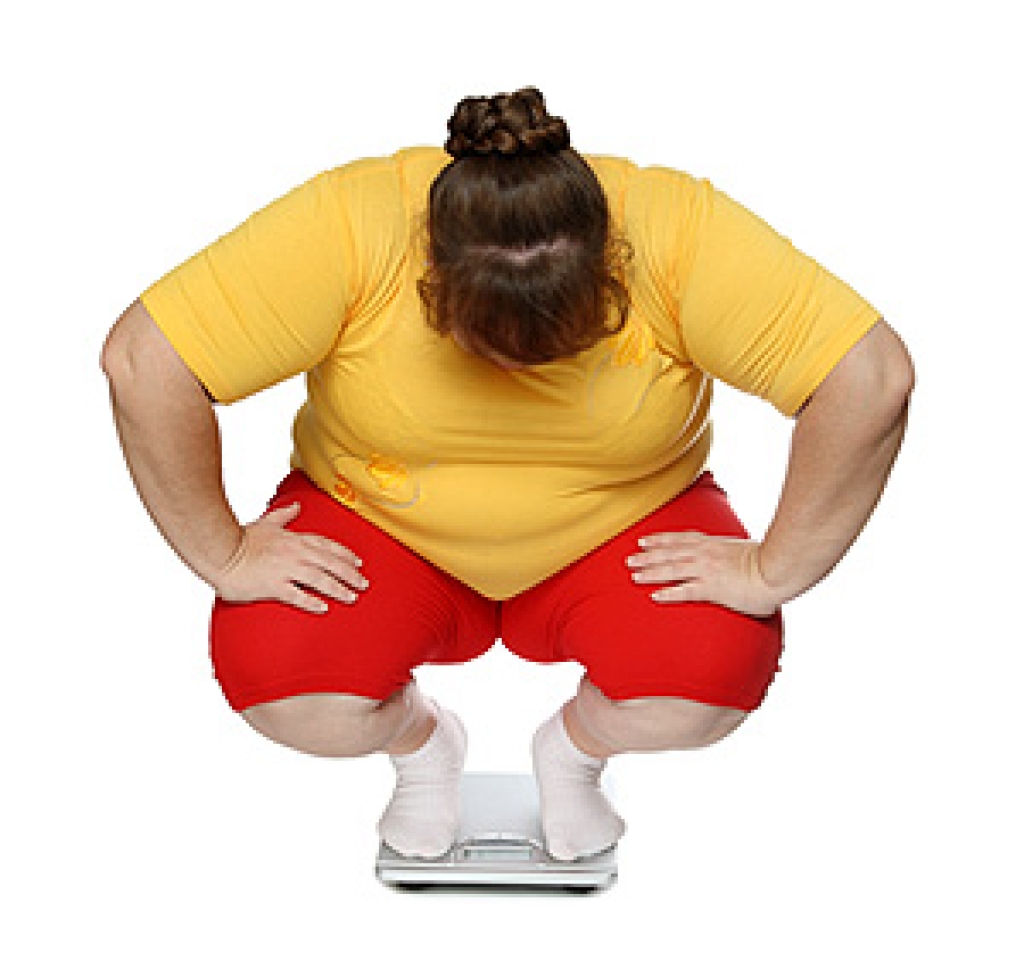
Foot Conditions That May Develop From Obesity

Recent research has shown a connection between foot pain and being obese. Foot ailments that may develop as a result of obesity include flat feet, arthritis, diabetes and general heel pain. Obesity may alter the general structure of the foot as a result of the heels and ankles enduring additional pressure caused by excess weight. Exercising may become difficult due to an increase in weight, and this may hinder one's ability to shed the excess pounds. Your feet will benefit if you choose to wear wide and supportive shoes, although there may be a limited selection of larger sizes necessary to accommodate them. Implementing a daily exercise routine and maintaining a healthy lifestyle may aid in combating obesity. This can typically be achieved by slowly beginning to properly stretch and exercise the feet. Please consider scheduling a consultation with a podiatrist for a recommended exercise program that may avoid foot pain.

Obesity has become very problematic at this point in time and can have extremely negative effects on the feet. If you’re an obese individual and are concerned about your feet, contact one of our podiatrists from Pennsylvania Foot & Ankle. Our doctors can provide the care you need to keep you pain-free and on your feet.

Obesity and Your Feet

Since your feet are what support your entire weight when standing, any additional weight can result in pain and swelling. Being overweight is one of the main contributors to foot complications.

Problems & Complications

Extra Weight – Even putting on just a few extra pounds could create serious complications for your feet. As your weight increases, your balance and body will shift, creating new stresses on your feet. This uneven weight distribution can cause pain, even while doing the simplest tasks, such as walking.

Diabetes – People who are overweight are at serious risk of developing type-2 diabetes, which has a drastic impact on the health of your feet. As you get older, your diabetes might worsen, which could lead to loss of feeling in your feet, sores, and bruises. You could also become more prone to various infections.

Plantar fasciitis – Pressure and stress that is placed on muscles, joints, and tendons can trigger plantar fasciitis, which is an inflammation of tissue that forms along the bottom of the foot. 

If you have any questions, please feel free to contact one of our offices located in Bensalem, Philadelphia, Northeast Philadelphia, Yardley, PA, and Hamilton, NJ . We offer the newest diagnostic and treatment technologies for all your foot care needs.

Read more about How Obesity Affects Your Feet

Reminder: When Was the Last Time...?

Custom orthotics, or shoe inserts, should be periodically replaced. Orthotics must fit properly to give you the best results. Protect your feet and ankles!

Symptoms of Poor Foot Circulation

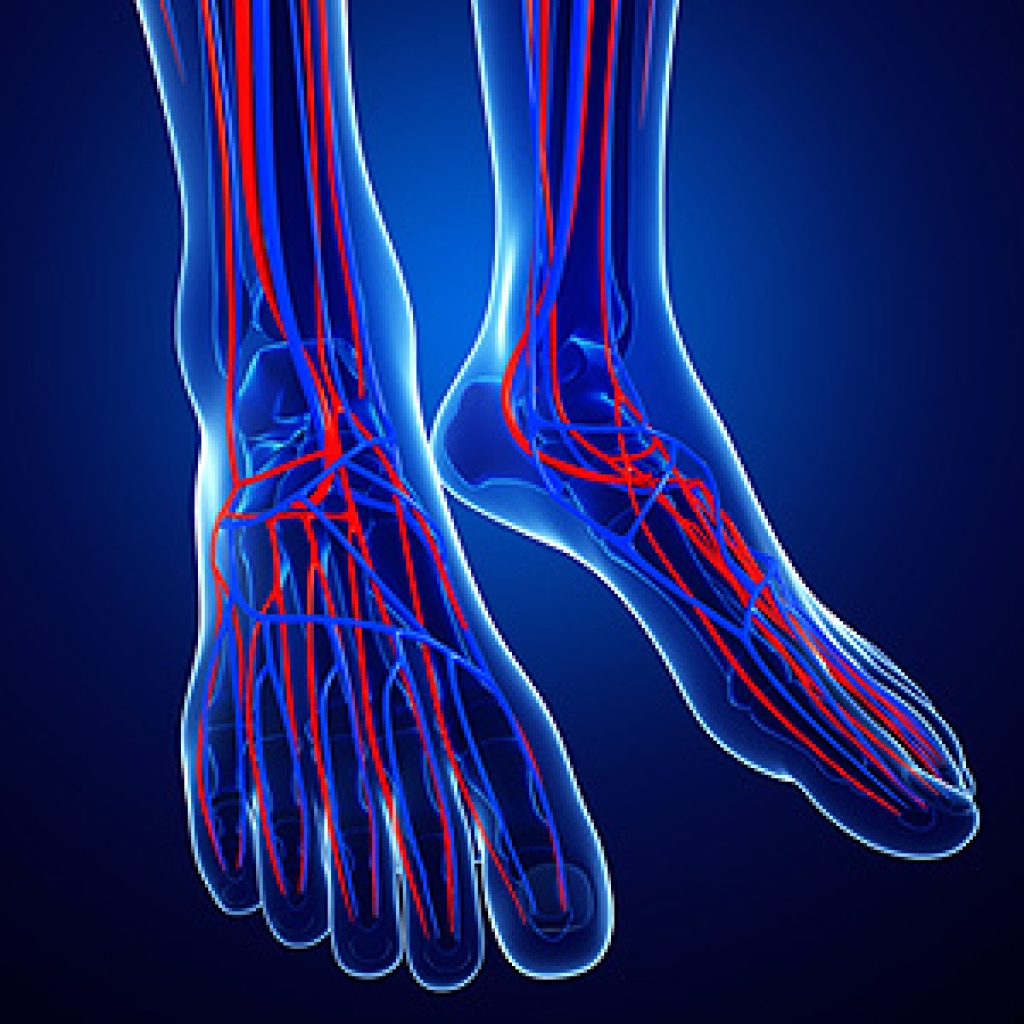
High blood pressure may be one of the more common causes of poor circulation in the feet and toes. When this occurs, the pressure the artery walls must endure is greater than normal. General symptoms may include discomfort and pain, which may typically happen during walking or exercise. Additional symptoms may include cramping, tingling, numbness or pain, which may become severe. Patients may experience a change in color in their lower extremities and they may notice sensitivity and coldness in their feet and toes. There are steps that can be implemented which may prevent circulation problems including ingesting fresh foods which may aid in maintaining a healthy weight, eliminating smoking and practicing a daily exercise program. It’s suggested to consult with a podiatrist who can provide the necessary medical advice if you have discovered you have poor circulation in your feet.

While poor circulation itself isn’t a condition; it is a symptom of another underlying health condition you may have. If you have any concerns with poor circulation in your feet contact one of our podiatrists of Pennsylvania Foot & Ankle. Our doctors will treat your foot and ankle needs.

Poor Circulation in the Feet

Peripheral artery disease (PAD) can potentially lead to poor circulation in the lower extremities. PAD is a condition that causes the blood vessels and arteries to narrow. In a linked condition called atherosclerosis, the arteries stiffen up due to a buildup of plaque in the arteries and blood vessels. These two conditions can cause a decrease in the amount of blood that flows to your extremities, therefore resulting in pain.

Symptoms

Some of the most common symptoms of poor circulation are:

  • Numbness
  • Tingling
  • Throbbing or stinging pain in limbs
  • Pain
  • Muscle Cramps

Treatment for poor circulation often depends on the underlying condition that causes it. Methods for treatment may include insulin for diabetes, special exercise programs, surgery for varicose veins, or compression socks for swollen legs.

As always, see a podiatrist as he or she will assist in finding a regimen that suits you. A podiatrist can also prescribe you any needed medication. 

If you have any questions, please feel free to contact one of our offices located in Bensalem, Philadelphia, Northeast Philadelphia, Yardley, PA, and Hamilton, NJ . We offer the newest diagnostic and treatment technologies for all your foot care needs.

Read more about Causes, Symptoms, and Treatment of Poor Blood Circulation in the Feet

Causes and Symptoms of Heel Spurs

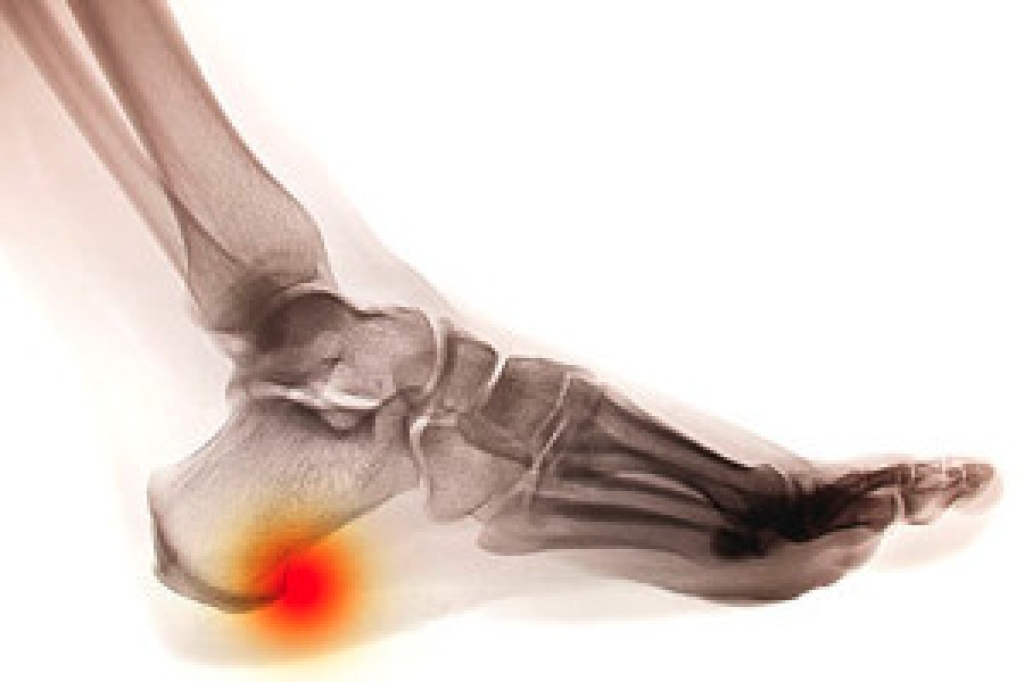
A condition referred to as a heel spur is typically caused by repetitive stress placed on the foot. Gradually, a small protrusion forms on the bottom of the heel, and often produces severe pain. As a result, walking may become difficult, which may affect the gait. Research has shown that it is suggested to stop the activity that has caused the heel spur to develop, followed by implementing proper treatment methods. These may consist of injections that to provide relief, in addition to performing stretching techniques that may help in maintaining an accepted level of comfort. Surgery may be an additional option for permanently removing the heel spur and improving the general mobility of the entire foot. Most patients experience heel pain which typically precedes a proper diagnosis, and should not be ignored. Please consider scheduling a consultation with a podiatrist for additional information on how to properly treat heel spurs.

Heel spurs can be incredibly painful and sometimes may make you unable to participate in physical activities. To get medical care for your heel spurs, contact one of our podiatrists from Pennsylvania Foot & Ankle. Our doctors will do everything possible to treat your condition.

Heels Spurs

Heel spurs are formed by calcium deposits on the back of the foot where the heel is. This can also be caused by small fragments of bone breaking off one section of the foot, attaching onto the back of the foot. Heel spurs can also be bone growth on the back of the foot and may grow in the direction of the arch of the foot.

Older individuals usually suffer from heel spurs and pain sometimes intensifies with age. One of the main condition's spurs are related to is plantar fasciitis.

Pain

The pain associated with spurs is often because of weight placed on the feet. When someone is walking, their entire weight is concentrated on the feet. Bone spurs then have the tendency to affect other bones and tissues around the foot. As the pain continues, the feet will become tender and sensitive over time.

Treatments

There are many ways to treat heel spurs. If one is suffering from heel spurs in conjunction with pain, there are several methods for healing. Medication, surgery, and herbal care are some options.

If you have any questions, please feel free to contact one of our offices located in Bensalem, Philadelphia, Northeast Philadelphia, Yardley, PA, and Hamilton, NJ . We offer the newest diagnostic and treatment technologies for all your foot care needs.

Read more about Heel Spurs

Why Live with Pain and Numbness in Your Feet?

Suffering from this type of pain? You may have the foot condition known as Morton's neuroma. Morton's neuroma may develop as a result of ill-fitting footwear and existing foot deformities. We can help.

Why Do My Feet Itch During Pregnancy?

A condition that women may observe during pregnancy can be itchy feet. Other symptoms that may be experienced include extreme fatigue, loss of appetite or vomiting, which may indicate serious health complications. If the feet experience severe itching, this may be referred to as cholestasis, and this condition typically affects the liver. Additionally, vitamin deficiencies may occur, which may possibly harm the fetus and may also occur in future pregnancies. Research has shown that possible hormonal changes may be responsible if cholestasis occurs and may be diagnosed properly through laboratory tests. Lotions may be chosen to help alleviate all or a portion of the itchy feeling, contrary to ingesting oral medications, which may harm the baby. It’s suggested to schedule a consultation with a podiatrist if you are affected by itchy feet during pregnancy.

Pregnant women with swollen feet can be treated with a variety of different methods that are readily available. For more information about other cures for swollen feet during pregnancy, consult with one of our podiatrists from Pennsylvania Foot & Ankle. Our doctors will attend to all of your foot and ankle needs.

What Foot Problems Can Arise During Pregnancy?

One problem that can occur is overpronation, which occurs when the arch of the foot flattens and tends to roll inward.  This can cause pain and discomfort in your heels while you’re walking or even just standing up, trying to support your baby.  

Another problem is edema, or swelling in the extremities. This often affects the feet during pregnancy but tends to occur in the later stages. 

How Can I Keep My Feet Healthy During Pregnancy?

  • Wearing orthotics can provide extra support for the feet and help distribute weight evenly
  • Minimize the amount of time spent walking barefoot
  • Wear shoes with good arch support
  • Wear shoes that allow for good circulation to the feet
  • Elevate feet if you experience swelling
  • Massage your feet
  • Get regular, light exercise, such as walking, to promote blood circulation to the feet

If you have any questions, please feel free to contact one of our offices located in Bensalem, Philadelphia, Northeast Philadelphia, Yardley, PA, and Hamilton, NJ . We offer the newest diagnostic and treatment technologies for all your foot care needs.

Read more about Pregnancy and Foot Health

Connect With Us