There Are Several Causes of Heel Pain

Many people experience heel pain at some point in their lives. Research has shown the most common type of this uncomfortable condition is referred to as plantar fasciitis. This affects the band of tissue known as the plantar fascia, which connects the heel to the toes. Inflammation may gradually develop as a result of high or low arches or if an injury to the foot has occurred. Bursitis in the heel is another form of foot pain, and may be a result of wearing shoes that do not fit correctly. This type of inflammation originates in the fluid-filled bursa, which is located at the back of the heel.  Additionally, a condition known as heel bumps typically affect teenagers. This may be a result of wearing shoes that cause friction on the underdeveloped heel bone. If the Achilles tendon should endure an injury, severe pain is generally felt in the back of the heel and may gravitate to the back of the calf. If you are experiencing heel pain, it’s suggested to speak to a podiatrist who can determine the cause and begin proper treatment as quickly as possible.

Many people suffer from bouts of heel pain. For more information, contact one of our podiatrists of Pennsylvania Foot & Ankle. Our doctors can provide the care you need to keep you pain-free and on your feet.

Causes of Heel Pain

Heel pain is often associated with plantar fasciitis. The plantar fascia is a band of tissues that extends along the bottom of the foot. A rip or tear in this ligament can cause inflammation of the tissue.

Achilles tendonitis is another cause of heel pain. Inflammation of the Achilles tendon will cause pain from fractures and muscle tearing. Lack of flexibility is also another symptom.

Heel spurs are another cause of pain. When the tissues of the plantar fascia undergo a great deal of stress, it can lead to ligament separation from the heel bone, causing heel spurs.

Why Might Heel Pain Occur?

  • Wearing ill-fitting shoes                
  • Wearing non-supportive shoes
  • Weight change           
  • Excessive running

Treatments

Heel pain should be treated as soon as possible for immediate results. Keeping your feet in a stress-free environment will help. If you suffer from Achilles tendonitis or plantar fasciitis, applying ice will reduce the swelling. Stretching before an exercise like running will help the muscles. Using all these tips will help make heel pain a condition of the past.

If you have any questions, please feel free to contact one of our offices located in Bensalem, Philadelphia, Northeast Philadelphia, Yardley, PA, and Hamilton, NJ . We offer the newest diagnostic and treatment technologies for all your foot care needs.
Read more about Heel Pain

Lifestyle Changes and Gout

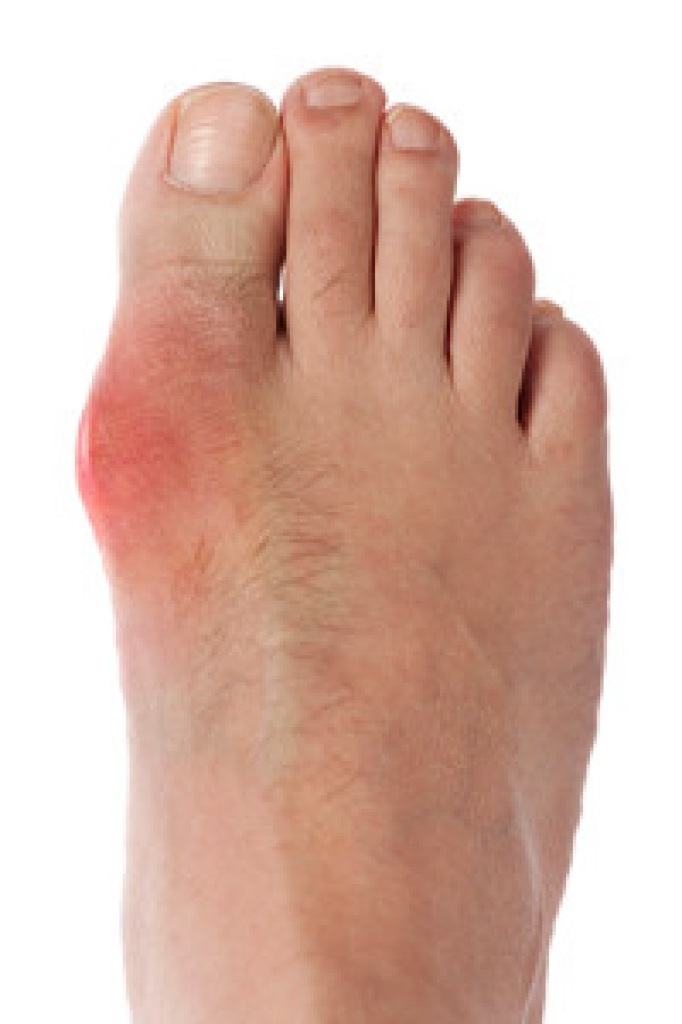
The medical condition referred to as gout is the result of elevated uric acid levels in the blood. The symptoms of this uncomfortable ailment may include severe pain surrounding the big toe, swelling, and redness. Research has shown there may be triggers that may cause gout including ingesting certain medications, a sudden illness, or an injury to the joint in the toe. Additionally, many gout patients may benefit from a healthy lifestyle change, such as eliminating specific foods and drinks from their daily intake. People who consume an excess of alcohol, or eat an abundance of red meat and shellfish may be more likely to develop gout and this may be a cause of inflated uric acid levels. A podiatrist can perform a proper diagnosis, which may include having an X-ray or CAT scan taken. This will enable the soft tissue and bone to be examined. Once this condition is confirmed, the correct treatment can begin.

Gout is a painful condition that can be treated. If you are seeking treatment, contact one of our podiatrists from Pennsylvania Foot & Ankle. Our doctors will treat your foot and ankle needs.

What Is Gout?

Gout is a form of arthritis that is characterized by sudden, severe attacks of pain, redness, and tenderness in the joints. The condition usually affects the joint at the base of the big toe. A gout attack can occur at any random time, such as the middle of the night while you are asleep.

Symptoms

  • Intense Joint Pain - Usually around the large joint of your big toe, and it most severe within the first four to twelve hours
  • Lingering Discomfort - Joint discomfort may last from a few days to a few weeks
  • Inflammation and Redness -Affected joints may become swollen, tender, warm and red
  • Limited Range of Motion - May experience a decrease in joint mobility

Risk Factors

  • Genetics - If family members have gout, you’re more likely to have it
  • Medications - Diuretic medications can raise uric acid levels
  • Gender/Age - Gout is more common in men until the age of 60. It is believed that estrogen protects women until that point
  • Diet - Eating red meat and shellfish increases your risk
  • Alcohol - Having more than two alcoholic drinks per day increases your risk
  • Obesity - Obese people are at a higher risk for gout

Prior to visiting your podiatrist to receive treatment for gout, there are a few things you should do beforehand. If you have gout you should write down your symptoms--including when they started and how often you experience them, important medical information you may have, and any questions you may have. Writing down these three things will help your podiatrist in assessing your specific situation so that he or she may provide the best route of treatment for you.

If you have any questions, please feel free to contact one of our offices located in Bensalem, Philadelphia, Northeast Philadelphia, Yardley, PA, and Hamilton, NJ . We offer the newest diagnostic and treatment technologies for all your foot care needs.

Read more about Gout

Causes of a Broken Toe

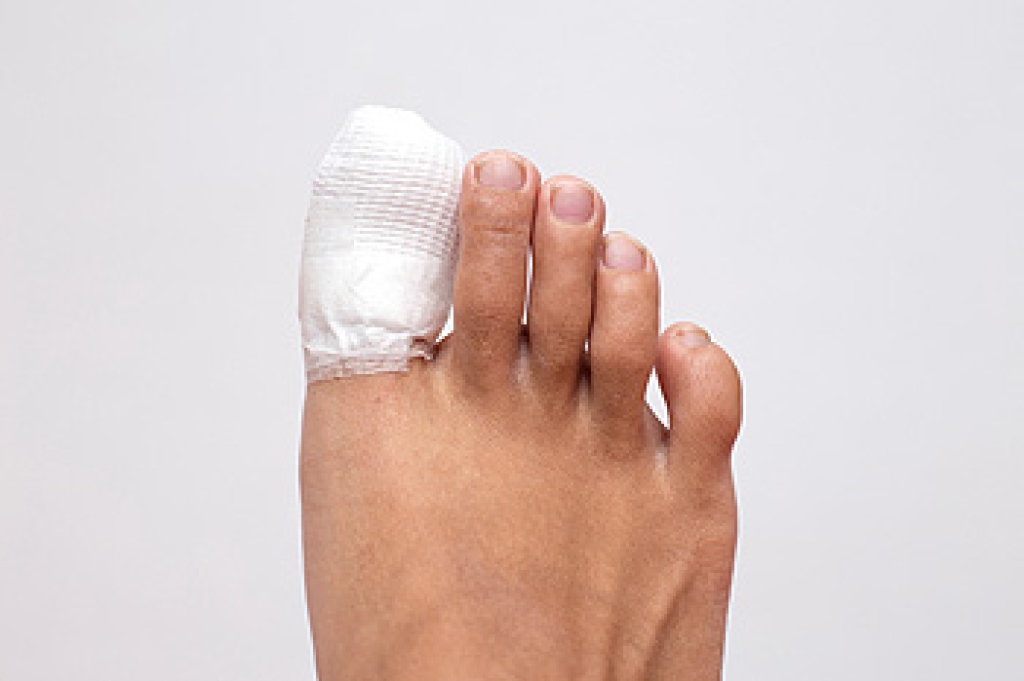
If you have experienced breaking your toe, which is also referred to as a fractured toe, you may be aware of the severe pain that is often associated with it. There may be several reasons why this type of injury may occur. These may include dropping a heavy object on your toe, stubbing it against a piece of furniture, or being involved in an accident in which your feet are affected. There are noticeable symptoms that are indicative of a broken toe, including bruising, swelling, the inability to walk on it,  accompanied by pain and discomfort. Treatment options may include keeping the foot raised, which may aid in reducing any swelling, taping the injured toe to the toe next to it to promote stability, in addition to wearing shoes that have adequate room for the toe. If you feel you have broken your toe, it’s advised to counsel with a podiatrist so the best course of treatment can begin.

A broken toe can be very painful and lead to complications if not properly fixed. If you have any concerns about your feet, contact one of our podiatrists from Pennsylvania Foot & Ankle. Our doctors will treat your foot and ankle needs.

What to Know About a Broken Toe

Although most people try to avoid foot trauma such as banging, stubbing, or dropping heavy objects on their feet, the unfortunate fact is that it is a common occurrence. Given the fact that toes are positioned in front of the feet, they typically sustain the brunt of such trauma. When trauma occurs to a toe, the result can be a painful break (fracture).

Symptoms of a Broken Toe

  • Throbbing pain
  • Swelling
  • Bruising on the skin and toenail
  • The inability to move the toe
  • Toe appears crooked or disfigured
  • Tingling or numbness in the toe

Generally, it is best to stay off of the injured toe with the affected foot elevated.

Severe toe fractures may be treated with a splint, cast, and in some cases, minor surgery. Due to its position and the pressure it endures with daily activity, future complications can occur if the big toe is not properly treated.

If you have any questions, please feel free to contact one of our offices located in Bensalem, Philadelphia, Northeast Philadelphia, Yardley, PA, and Hamilton, NJ . We offer the newest diagnostic and treatment technologies for all your foot care needs.

Read more about What to Know About a Broken Toe

Types of Foot Surgery

If you should develop a bunion on the side of your big toe, you may want to consider permanent removal of this condition by having surgery performed. This particular procedure is referred to as an osteotomy, and may be effective in diminishing any pain that is associated with it. Additionally, a foot condition that is known as hammer toe may benefit by being surgically corrected. This type of surgery typically involves eliminating the joint appearing deformed, that is located between the toes, and may result in the toes becoming more flexible. Surgery that is referred to as an ankle fusion, may be beneficial in helping to heal ankle arthritis, which may be a result of a condition that is known as osteoarthritis. If you are afflicted with an Achilles tendon injury, surgery may be a reasonable option, which may eliminate the swelling and pain that is often associated with this ailment. If you are suffering from a severe foot malady, please consult with a podiatrist for a correct diagnosis and the best course of treatment, which may include surgery.

Foot surgery is sometimes necessary to treat a foot ailment. To learn more, contact one of our podiatrists of Pennsylvania Foot & Ankle. Our doctors will assist you with all of your foot and ankle needs.

When Is Surgery Necessary?

Foot and ankle surgery is generally reserved for cases in which less invasive, conservative procedures have failed to alleviate the problem. Some of the cases in which surgery may be necessary include:

  • Removing foot deformities like bunions and bone spurs
  • Severe arthritis that has caused bone issues
  • Cosmetic reconstruction

What Types of Surgery Are There?

The type of surgery you receive will depend on the nature of the problem you have. Some of the possible surgeries include:

  • Bunionectomy for painful bunions
  • Surgical fusion for realignment of bones
  • Neuropathy decompression surgery to treat nerve damage

Benefits of Surgery

Although surgery is usually a last resort, it can provide more complete pain relief compared to non-surgical methods and may allow you to finally resume full activity.

Surgical techniques have also become increasingly sophisticated. Techniques like endoscopic surgery allow for smaller incisions and faster recovery times.

If you have any questions, please feel free to contact one of our offices located in Bensalem, Philadelphia, Northeast Philadelphia, Yardley, PA, and Hamilton, NJ . We offer the newest diagnostic and treatment technologies for all your foot care needs.

Read more about Foot and Ankle Surgery

Problems That You May Not Know Your Shoes Are Causing

Improper shoe fitting can lead to many problems such as bunions, corns, and hammertoe. ill-fitting shoes can also lead to muscular imbalances in the body, which can eventually lead to hip and knee injuries. A perfectly fitting shoe should not have any excess material that may interfere with the foot’s natural motion. Many runners tend to wear shoes that are too small for their feet. If you are looking to purchase a new pair of shoes, be aware of the fact that your foot is at its widest at the toes, even though many shoes are not. You should also be mindful of the fact that your foot will spread up to half an inch in length when you are running. If you are experiencing problems with your feet due to poorly fitting shoes, you may want to schedule an appointment with your podiatrist.

Finding a properly-fitting shoe is important in reducing injuries and preventing foot problems. For more information about treatment, contact one of our podiatrists from Pennsylvania Foot & Ankle. Our doctors will treat your foot and ankle needs.

Proper Shoe Fitting

A common concern when it comes to foot health, having properly fitted shoes can help prevent injuries to the foot. Out feet affect our posture and gait, which in turn affects the biomechanics and overall bodily structure. With 33 joints, 26 bones, and over 100 ligaments, the potential for serious injury is much greater than one realizes. Although the feet cease growth in adulthood, they still change shape as they mature. Here are some factors to consider when it comes to investing in proper fitting shoes:

  • Be sure the shoes fit correctly right away
  • Ensure the ball of your foot fits comfortably in the widest portion of the shoes
  • Even though they may look fashionable, improper fitting shoes can either create adverse conditions or exacerbate existing ones you may already have
  • Walk along a carpeted surface to ensure the shoes comfortably fit during normal activity

Keeping in mind how shoes fit the biomechanics of your body, properly-fitting shoes are vitally important. Fortunately, it is not difficult to acquire footwear that fits correctly. Be sure to wear shoes that support the overall structure of your body. Do your feet a favor and invest in several pairs of well-fitted shoes today.

If you have any questions, please feel free to contact one of our offices located in Bensalem, Philadelphia, Northeast Philadelphia, Yardley, PA, and Hamilton, NJ . We offer the newest diagnostic and treatment technologies for all your foot care needs.
Read more about How to Get a Proper Shoe Fit

Do Your Child's Feet Hurt?

Have your child's feet been examined lately? Healthy feet are happy feet. If your child is complaining of foot pain, it may be a sign of underlying problems.

Stretching the Feet May Benefit the Entire Body

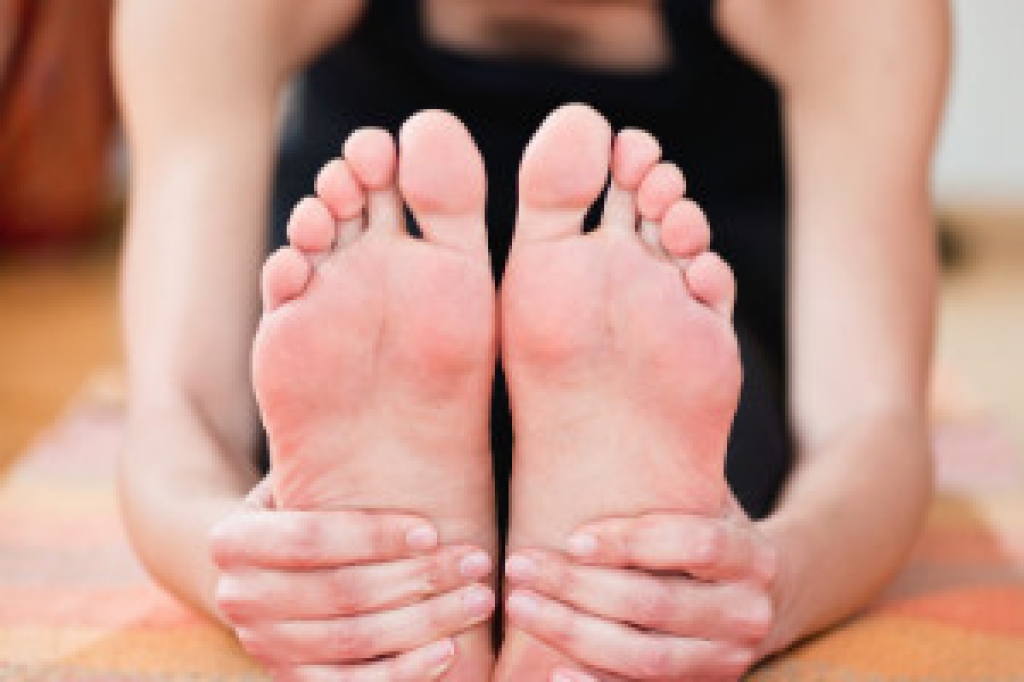
When the feet and ankles are strong and flexible, the benefits typically extend to the entire body. There are numerous bones, tendons and muscles that the feet are comprised of. If the feet are in top physical condition, they may act as an effective shock absorber and this may ensure that daily activities such as walking and running can be performed with ease. There are several yoga postures that may aid in strengthening the toes and feet. A simple practice that may be done is to sit back on your heels while kneeling. As this is performed, the tops of the feet will automatically stretch, which may promote strong feet. To strengthen the toes and top of the foot, try to firmly stand tall. While lifting the inner toes off the ground, keep the big toe and pinky toe stationary. Additionally, frequent massages may benefit the general health of the feet, and you may want to engage in these practices as often as possible.

Why Stretching Is Important for Your Feet

Stretching the feet is a great way to prevent injuries. If you have any concerns with your feet consult with one of our podiatrists from Pennsylvania Foot & Ankle. Our doctors will assess your condition and provide you with quality foot and ankle treatment.

Stretching the Feet

Stretching the muscles in the foot is an important part in any physical activity. Feet that are tight can lead to less flexibility and make you more prone to injury. One of the most common forms of foot pain, plantar fasciitis, can be stretched out to help ease the pain. Stretching can not only ease pain from plantar fasciitis but also prevent it as well. However, it is important to see a podiatrist first to determine if stretching is right for you. Podiatrists can also recommend other ways to stretch your feet. Once you know whether stretching is right for you, here are some excellent stretches you can do.

  • Using a foam roller or any cylindrical object (a water bottle or soda can will do), roll the object under your foot back and forth. You should also exert pressure on the object. Be sure to do this to both feet for a minute. Do this exercise three times each.
  • Similar to the previous exercise, take a ball, such as a tennis ball, and roll it under your foot while seated and exert pressure on it.
  • Grab a resistance band or towel and take a seat. If you are using a towel, fold it length wise. Next put either one between the ball of your foot and heel and pull with both hands on each side towards you. Hold this for 15 seconds and then switch feet. Do this three times for each foot.
  • Finally hold your big toe while crossing one leg over the other. Pull the toe towards you and hold for 15 seconds. Once again do this three times per foot.

It is best to go easy when first stretching your foot and work your way up. If your foot starts hurting, stop exercising to ice and rest the foot. It is advised that you then see a podiatrist for help.

If you have any questions please contact one of our offices located in Bensalem, Philadelphia, Northeast Philadelphia, Yardley, PA, and Hamilton, NJ . We offer the newest diagnostic and treatment technologies for all your foot and ankle needs.

Read more about How to Stretch Your Feet

Causes of Cracked Heels

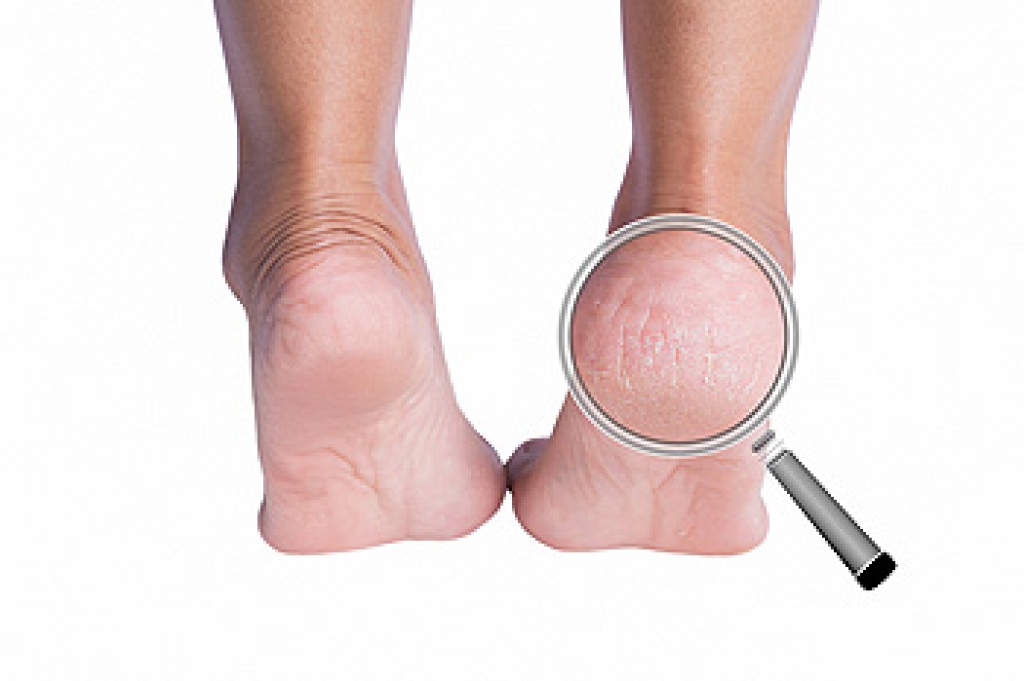
If standing for long periods of time is part of your daily routine, you may experience a condition that is referred to as cracked heels. The skin on the heels may become thick and can produce cracks or fissures, which may often be unsightly and uncomfortable. There are some people who may be prone to developing cracked heels, including those who are overweight in addition to people who frequently wear shoes that have an open back. Cracked heels is known as a foot condition that will worsen gradually if left untreated and may lead to serious foot conditions including cellulitis. If you have developed cracked heels, it’s important to wash and dry the feet thoroughly followed by utilizing a good moisturizer daily, which will not only feel good but may aid in healing the fissures. If your heels are severely cracked, it’s suggested to speak with a podiatrist as quickly as possible who may perform specific procedures that can effectively treat this condition.

If the skin on your feet starts to crack, you may want to see a podiatrist to find treatment. If you have any concerns, contact one of our podiatrists from Pennsylvania Foot & Ankle. Our doctors can provide the care you need to keep you pain-free and on your feet.

Cracked Heels

It is important to moisturize your cracked heels in order to prevent pain, bleeding, and infection. The reason cracked heels form is because the skin on the foot is too dry to support the immense pressure placed on them. When the foot expands, the dry skin on the foot begins to split.

Ways to Help Heal Them

  • Invest in a good foot cream
  • Try Using Petroleum Jelly
  • Ease up on Soaps
  • Drink Plenty of Water

Ways to Prevent Cracked Heels

  • Moisturize After Showering
  • Skip a Shower
  • Keep Shower Water Lukewarm
  • Don’t Scrub Your Feet

If you are unsure how to proceed in treating cracked heels, seek guidance from a podiatrist. Your doctor will help you with any questions or information you may need. 

If you have any questions, please feel free to contact one of our offices located in Bensalem, Philadelphia, Northeast Philadelphia, Yardley, PA, and Hamilton, NJ . We offer the newest diagnostic and treatment technologies for all your foot care needs.
Read more about Solutions for Cracked Heels

How Sesamoiditis Develops

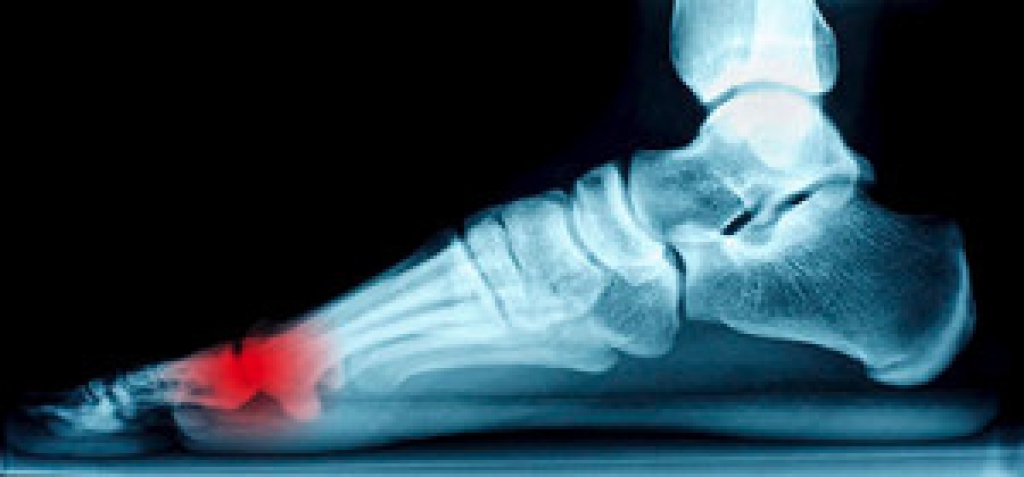
The bones in the body that are connected to the muscles by tendons are referred to as sesamoids. If the tendons in the feet become inflamed, a condition called sesamoiditis may develop. The symptoms that typically accompany this ailment may be swelling as a result of painful inflammation, which commonly occurs on the sole of the foot. The big toe is generally affected, and there may be difficulty in moving it. Women who frequently wear high heels may be at greater risk to develop sesamoiditis, in addition to athletes who participate in running sports such as basketball or soccer. A proper diagnosis is typically accomplished by having an X-ray of your foot performed, or in more severe cases, a bone scan, MRI, or ultrasound may be necessary. Research has shown that it’s helpful to cease the activity that may have caused this condition to develop, and this may alleviate painful symptoms. It’s advised to consult with a podiatrist for additional information on how to treat sesamoiditis.

Sesamoiditis is an unpleasant foot condition characterized by pain in the balls of the feet. If you think you’re struggling with sesamoiditis, contact one of our podiatrists of Pennsylvania Foot & Ankle. Our doctors will treat your condition thoroughly and effectively.

Sesamoiditis

Sesamoiditis is a condition of the foot that affects the ball of the foot. It is more common in younger people than it is in older people. It can also occur with people who have begun a new exercise program, since their bodies are adjusting to the new physical regimen. Pain may also be caused by the inflammation of tendons surrounding the bones. It is important to seek treatment in its early stages because if you ignore the pain, this condition can lead to more serious problems such as severe irritation and bone fractures.

Causes of Sesamoiditis

  • Sudden increase in activity
  • Increase in physically strenuous movement without a proper warm up or build up
  • Foot structure: those who have smaller, bonier feet or those with a high arch may be more susceptible

Treatment for sesamoiditis is non-invasive and simple. Doctors may recommend a strict rest period where the patient forgoes most physical activity. This will help give the patient time to heal their feet through limited activity. For serious cases, it is best to speak with your doctor to determine a treatment option that will help your specific needs.

If you have any questions, please feel free to contact one of our offices located in Bensalem, Philadelphia, Northeast Philadelphia, Yardley, PA, and Hamilton, NJ . We offer the newest diagnostic and treatment technologies for all your foot care needs.
Read more about Sesamoiditis

Connect With Us