How Corns Can Affect Your Daily Routine

If your feet or toes endure excess pressure and friction, you may develop what is known as a corn. It is typically a small and hardened area of skin that will often cause discomfort and pain while wearing shoes. General causes for this condition to occur may originate from wearing shoes that are too small, or from walking for extended periods of time. Once the corns are treated, there may be several ways to prevent this uncomfortable condition from occurring again. These may include wearing shoes and socks that fit properly and by trimming the toenails correctly and frequently. Research has shown that our feet may become larger as the aging process occurs, and it’s important to regularly measure our feet, which can aid in determining the correct shoe size. If you have corns and your daily activities are affected, please schedule a consultation with a podiatrist for treatment options that are right for you.

If you have any concerns regarding your feet and ankles, contact one of our podiatrists of Pennsylvania Foot & Ankle. Our doctors will treat your foot and ankle needs.

Corns: What Are They? and How Do You Get Rid of Them?
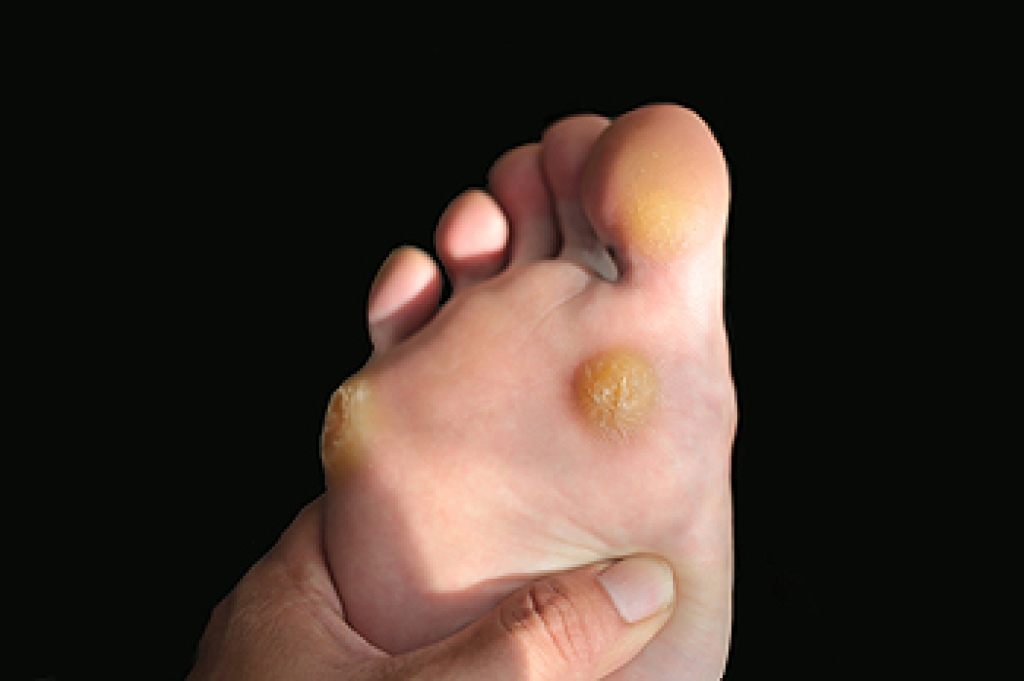
Corns can be described as areas of the skin that have thickened to the point of becoming painful or irritating. They are often layers and layers of the skin that have become dry and rough, and are normally smaller than calluses.

Ways to Prevent Corns
There are many ways to get rid of painful corns such as wearing:

  • Well-fitting socks
  • Comfortable shoes that are not tight around your foot
  • Shoes that offer support

Treating Corns
Treatment of corns involves removing the dead skin that has built up in the specific area of the foot. Consult with Our doctors to determine the best treatment option for your case of corns.

If you have any questions, please feel free to contact one of our offices located in Bensalem, Philadelphia, Northeast Philadelphia, Yardley, PA, and Hamilton, NJ . We offer the newest diagnostic and treatment technologies for all your foot care needs.
Read more about Everything You Need to Know About Corns

How To Safeguard Your Home To Prevent Falling

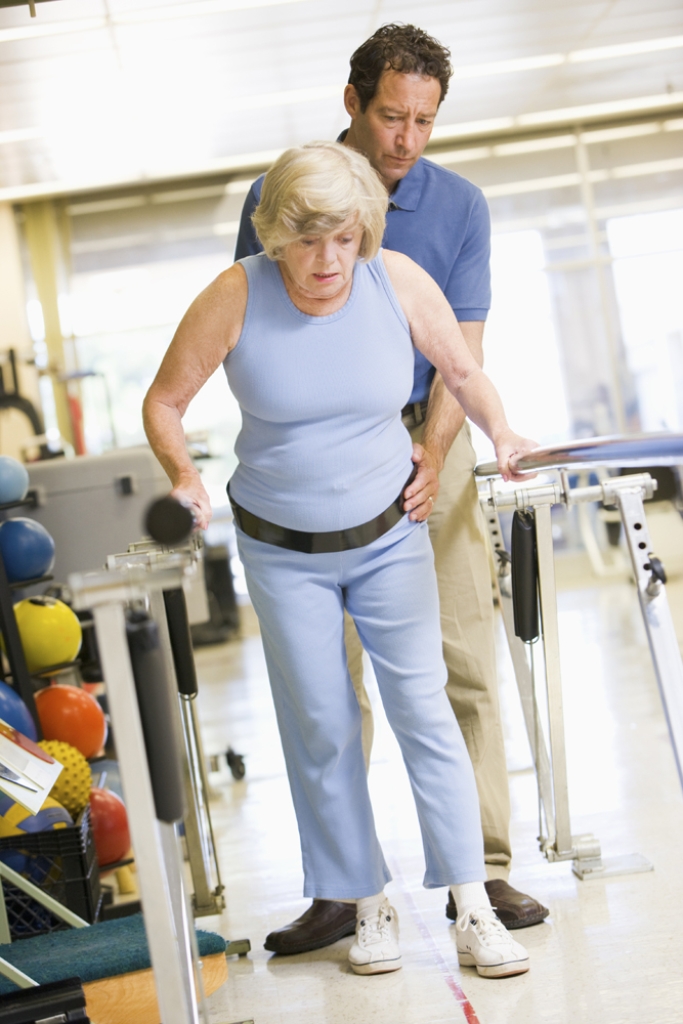
Research has shown that when preventative methods are taken, many falls may be avoided.  It is important to learn what these steps are, which may help to reduce the risk of serious injuries from occurring. When people are physically active, the muscles in the feet generally become stronger and this may be able to stop the body from possible falls. There are several safety features that can be utilized in the home including handrails, shower bars, and non-slip rugs. Wearing the correct fitting shoes is typically beneficial in avoiding falls, and should always have adequate support. Many people have their vision checked regularly and this may improve vision, which may prevent tripping. A safe environment is crucial in preventing falls, and will also aid in maintaining a secure feeling. Please consider scheduling a consultation with a podiatrist for additional information about how falling can be prevented.

Preventing falls among the elderly is very important. If you are older and have fallen or fear that you are prone to falling, consult with one of our podiatrists from Pennsylvania Foot & Ankle. Our doctors will assess your condition and provide you with quality advice and care.

Every 11 seconds, an elderly American is being treated in an emergency room for a fall related injury. Falls are the leading cause of head and hip injuries for those 65 and older. Due to decreases in strength, balance, senses, and lack of awareness, elderly persons are very susceptible to falling. Thankfully, there are a number of things older persons can do to prevent falls.

How to Prevent Falls

Some effective methods that older persons can do to prevent falls include:

  • Enrolling in strength and balance exercise program to increase balance and strength
  • Periodically having your sight and hearing checked
  • Discuss any medications you have with a doctor to see if it increases the risk of falling
  • Clearing the house of falling hazards and installing devices like grab bars and railings
  • Utilizing a walker or cane
  • Wearing shoes that provide good support and cushioning
  • Talking to family members about falling and increasing awareness

Falling can be a traumatic and embarrassing experience for elderly persons; this can make them less willing to leave the house, and less willing to talk to someone about their fears of falling. Doing such things, however, will increase the likelihood of tripping or losing one’s balance. Knowing the causes of falling and how to prevent them is the best way to mitigate the risk of serious injury.  

If you have any questions, please feel free to contact one of our offices located in Bensalem, Philadelphia, Northeast Philadelphia, Yardley, PA, and Hamilton, NJ . We offer the newest diagnostic and treatment technologies for all your foot care needs.

Read more about Falls Prevention

Causes of Corns

Corns are areas of hardened skin that typically appear on the foot. They are made out of keratin, which is a protein that is found in the outermost layer of the skin that develops as a result of pressure or friction. Although corns are unsightly, they aren’t a serious medical condition unless they become infected. People who have diabetes should be especially careful about developing corns because they are more prone to developing infections. Common causes of corns are poorly fitting footwear, prominent bones, or improperly healed fractures. However, the single most common cause of this ailment is wearing shoes that are too tight for your feet. Corns can be easily prevented if you change your footwear and minimize rubbing. It is important to avoid wearing high heeled shoes because they can squish the toes together into an unnatural position.

Corns can make walking very painful and should be treated immediately. If you have questions regarding your feet and ankles, contact one of our podiatrists of Pennsylvania Foot & Ankle. Our doctors will treat your foot and ankle needs.

Corns: What Are They? And How Do You Get Rid of Them?
Corns are thickened areas on the skin that can become painful. They are caused by excessive pressure and friction on the skin. Corns press into the deeper layers of the skin and are usually round in shape.

Ways to Prevent Corns
There are many ways to get rid of painful corns such as:

  • Wearing properly fitting shoes that have been measured by a professional
  • Wearing shoes that are not sharply pointed or have high heels
  • Wearing only shoes that offer support

Treating Corns

Although most corns slowly disappear when the friction or pressure stops, this isn’t always the case. Consult with your podiatrist to determine the best treatment option for your case of corns.

If you have any questions, please feel free to contact one of our offices located in Bensalem, Philadelphia, Northeast Philadelphia, Yardley, PA, and Hamilton, NJ . We offer the newest diagnostic and treatment technologies for all your foot care needs.

Read more about Understanding Corns and Calluses

Wounds That Don't Heal Need to Be Checked

Your feet are covered most of the day. If you're diabetic, periodic screening is important for good health. Numbness is often a sign of diabetic foot and can mask a sore or wound.

Causes of Ingrown Toenails

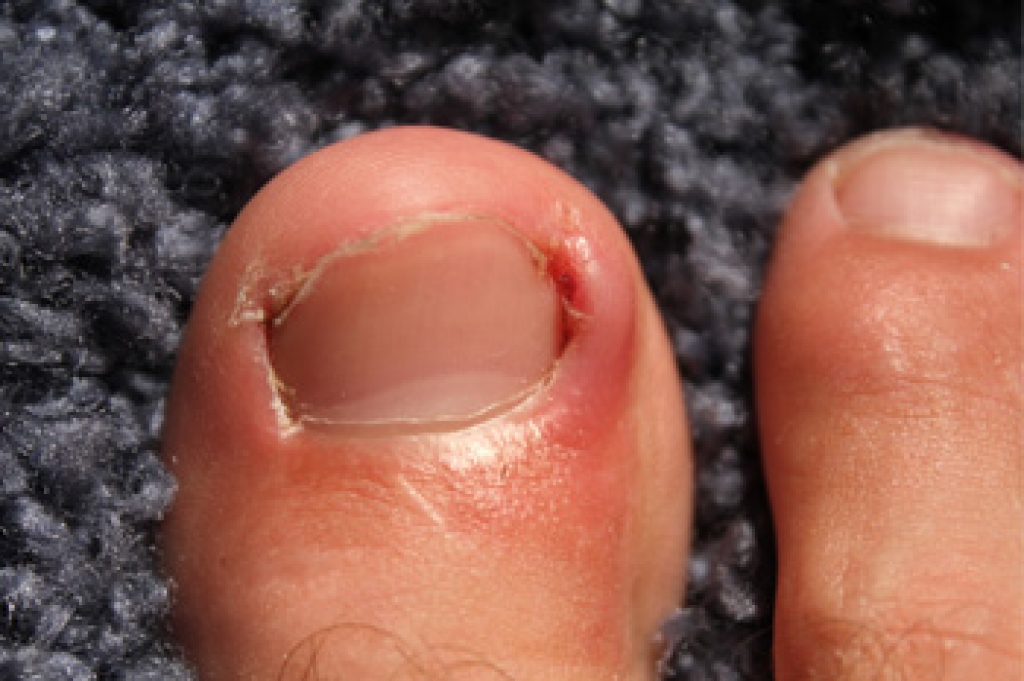
A condition that is referred to as ingrown toenails commonly develops as a result of the toenails being trimmed incorrectly. This occurs when the corners of the nail grow into the skin, often producing pain and discomfort. There are several symptoms that may lead to the conclusion that an ingrown toenail has begun to form including redness and swelling around the affected area or a liquid discharge that comes from the nail. If the shoes that are worn fit poorly, this condition may begin to develop in addition to specific repeated activity, in which the toe consistently kicks a ball. The patient may find moderate relief by soaking the toe in warm salt water frequently throughout the day, in addition to inserting a small piece of dry cotton under the affected area. It’s strongly advised to consult with a podiatrist for correct treatment remedies that are right for you.

Ingrown toenails may initially present themselves as a minor discomfort, but they may progress into an infection in the skin without proper treatment. For more information about ingrown toenails, contact one of our podiatrists of Pennsylvania Foot & Ankle. Our doctors can provide the care you need to keep you pain-free and on your feet.

Ingrown Toenails

Ingrown toenails are caused when the corner or side of a toenail grows into the soft flesh surrounding it. They often result in redness, swelling, pain, and in some cases, infection. This condition typically affects the big toe and may recur if it is not treated properly.

Causes

  • Improper toenail trimming
  • Genetics
  • Improper shoe fitting
  • Injury from pedicures or nail picking
  • Abnormal gait
  • Poor hygiene

You are more likely to develop an ingrown toenail if you are obese, have diabetes, arthritis, or have any fungal infection in your nails. Additionally, people who have foot or toe deformities are at a higher risk of developing an ingrown toenail.

Symptoms

Some symptoms of ingrown toenails are redness, swelling, and pain. In rare cases, there may be a yellowish drainage coming from the nail.

Treatment

Ignoring an ingrown toenail can have serious complications. Infections of the nail border can progress to a deeper soft-tissue infection, which can then turn into a bone infection. You should always speak with your podiatrist if you suspect you have an ingrown toenail, especially if you have diabetes or poor circulation.

If you have any questions, please feel free to contact one of our offices located in Bensalem, Philadelphia, Northeast Philadelphia, Yardley, PA, and Hamilton, NJ . We offer the newest diagnostic and treatment technologies for all your foot care needs.

Read more about Ingrown Toenails

Connect With Us