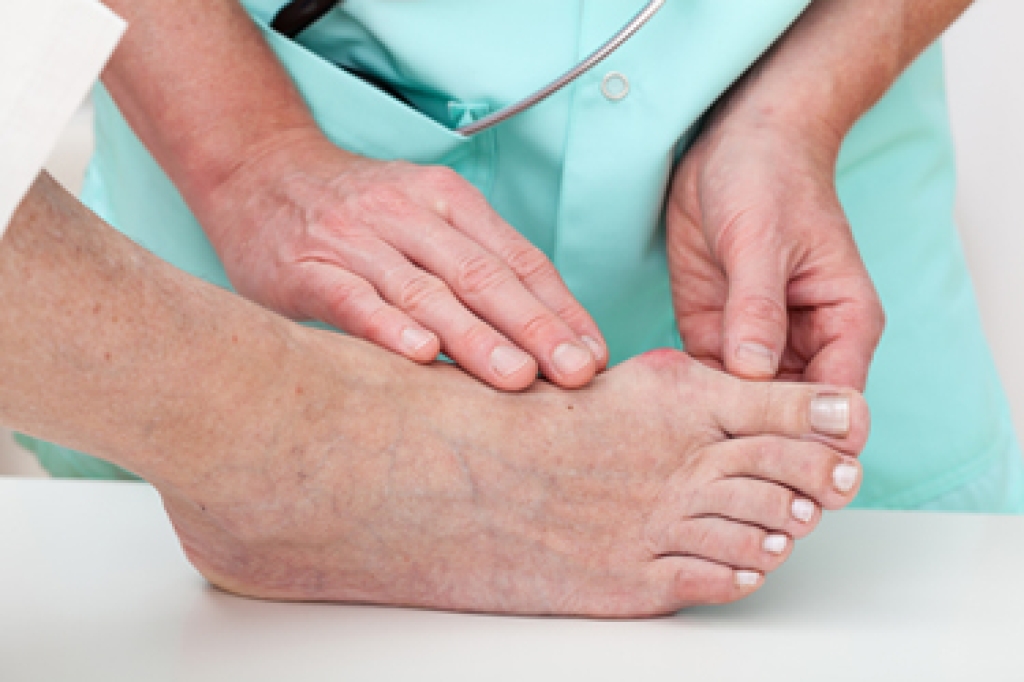
Causes and Symptoms of Bunions

As a bunion develops, there is generally minimal discomfort that is experienced. The bony growth that appears on the bottom of the big toe will grow in size, and the amount of pain encountered will often increase in relation to the size of the bunion. High heels can often exacerbate an existing bunion because they limit the room toes have to move freely around. The toes are forced to endure pressure, causing the joint under the big toe to shift outward. Additional causes of bunions may include trauma and injuries the foot may have encountered or a predisposed inherited gene that may have affected the structure of the foot. Wearing appropriate footwear can help increase comfort and reduce pain that may be felt, while also allowing for ample toe room. If you suspect that you have a bunion, see a podiatrist for a proper diagnosis and treatment options. 

If you are suffering from bunion pain, contact one of our podiatrists of Pennsylvania Foot & Ankle. Our doctors can provide the care you need to keep you pain-free and on your feet.

What Is a Bunion?

Bunions are painful bony bumps that usually develop on the inside of the foot at the joint of the big toe. As the deformity increases over time, it may become painful to walk and wear shoes. Women are more likely to exacerbate existing bunions since they often wear tight, narrow shoes that shift their toes together. Bunion pain can be relieved by wearing wider shoes with enough room for the toes.

Causes

  • Genetics – some people inherit feet that are more prone to bunion development
  • Inflammatory Conditions - rheumatoid arthritis and polio may cause bunion development

Symptoms

  • Redness and inflammation
  • Pain and tenderness
  • Callus or corns on the bump
  • Restricted motion in the big toe

In order to diagnose your bunion, your podiatrist may ask about your medical history, symptoms, and general health. Your doctor might also order an x-ray to take a closer look at your feet. Nonsurgical treatment options include orthotics, padding, icing, changes in footwear, and medication. If nonsurgical treatments don’t alleviate your bunion pain, surgery may be necessary.

If you have any questions, please feel free to contact one of our offices located in Bensalem, Philadelphia, Northeast Philadelphia, Yardley, PA, and Hamilton, NJ . We offer the newest diagnostic and treatment technologies for all your foot care needs.

Read more about Bunions

Why Do Corns Develop?

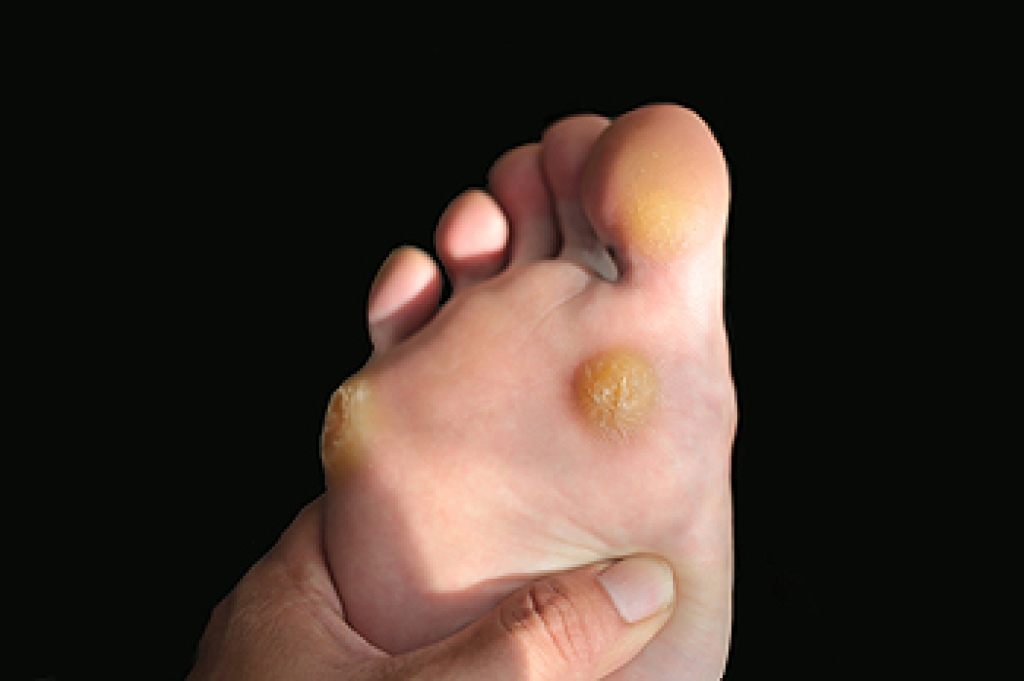
A corn on the foot appears as a small, hard circle which acts as a skin protector against pressure that poorly fitting shoes may cause. There are typically two types of corns that can develop. Hard corns are generally caused by shoes that fit tightly and appear on the side of the pinky toe. The toe and surrounding area may become inflamed from the added pressure, causing friction and aiding in the development of corns. Soft corns are known to develop in between the toes and thrive on the sweat and moisture in that area. Occasionally, soft corns may develop as a result of a predisposed inherited bone malformation, causing the skin on two toes to rub together, generating friction. Research has shown that wearing wider shoes while performing daily activities may prevent the formation of corns. If you are afflicted by this condition, please consider a consultation with a podiatrist for proper treatment options.

Corns can make walking very painful and should be treated immediately. If you have questions regarding your feet and ankles, contact one of our podiatrists of Pennsylvania Foot & Ankle. Our doctors will treat your foot and ankle needs.

Corns: What Are They? And How Do You Get Rid of Them?
Corns are thickened areas on the skin that can become painful. They are caused by excessive pressure and friction on the skin. Corns press into the deeper layers of the skin and are usually round in shape.

Ways to Prevent Corns
There are many ways to get rid of painful corns such as:

  • Wearing properly fitting shoes that have been measured by a professional
  • Wearing shoes that are not sharply pointed or have high heels
  • Wearing only shoes that offer support

Treating Corns

Although most corns slowly disappear when the friction or pressure stops, this isn’t always the case. Consult with your podiatrist to determine the best treatment option for your case of corns.

If you have any questions, please feel free to contact one of our offices located in Bensalem, Philadelphia, Northeast Philadelphia, Yardley, PA, and Hamilton, NJ . We offer the newest diagnostic and treatment technologies for all your foot care needs.
Read more about Corns: What Are They, and How Do You Get Rid of Them

Do Your Child's Feet Hurt?

Have your child's feet been examined lately? Healthy feet are happy feet. If your child is complaining of foot pain, it may be a sign of underlying problems.

Symptoms of an Achilles Tendon Injury

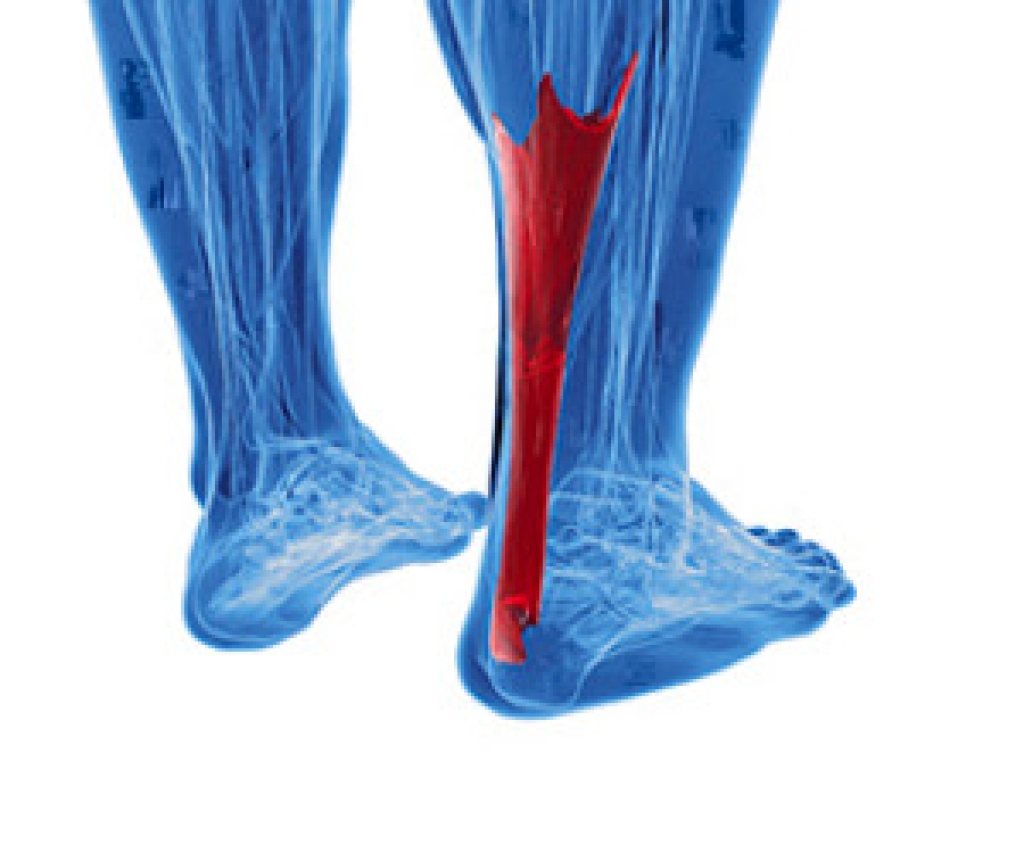
If you have severe pain in the back of your heel, you may have an Achilles tendon injury. It is the body’s thickest tendon, and it connects the back of the heel to the calf muscles. When the foot pushes forward while running, the Achilles tendon absorbs the force necessary for this to be accomplished. The beginning of an injury is typically represented by a dull ache in the back of the heel, and the pain will increase in severity if the running activity continues. There may be several causes for this type of injury to occur, including a poor range of motion in the ankle, calf muscles that are weakened, and having flat feet. Specific exercises that are practiced may aid in the healing of an Achilles tendon injury, and it’s recommended to see a podiatrist for a proper examination.

Achilles tendon injuries need immediate attention to avoid future complications. If you have any concerns, contact one of our podiatrists of Pennsylvania Foot & Ankle. Our doctors can provide the care you need to keep you pain-free and on your feet.

What Is the Achilles Tendon?

The Achilles tendon is a tendon that connects the lower leg muscles and calf to the heel of the foot. It is the strongest tendon in the human body and is essential for making movement possible. Because this tendon is such an integral part of the body, any injuries to it can create immense difficulties and should immediately be presented to a doctor.

What Are the Symptoms of an Achilles Tendon Injury?

There are various types of injuries that can affect the Achilles tendon. The two most common injuries are Achilles tendinitis and ruptures of the tendon.

Achilles Tendinitis Symptoms

  • Inflammation
  • Dull to severe pain
  • Increased blood flow to the tendon
  • Thickening of the tendon

Rupture Symptoms

  • Extreme pain and swelling in the foot
  • Total immobility

Treatment and Prevention

Achilles tendon injuries are diagnosed by a thorough physical evaluation, which can include an MRI. Treatment involves rest, physical therapy, and in some cases, surgery. However, various preventative measures can be taken to avoid these injuries, such as:

  • Thorough stretching of the tendon before and after exercise
  • Strengthening exercises like calf raises, squats, leg curls, leg extensions, leg raises, lunges, and leg presses

If you have any questions please feel free to contact one of our offices located in Bensalem, Philadelphia, Northeast Philadelphia, Yardley, PA, and Hamilton, NJ . We offer the newest diagnostic tools and technology to treat your foot and ankle needs.

Read more about What are Achilles Tendon Injuries

What is a Plantar Wart?

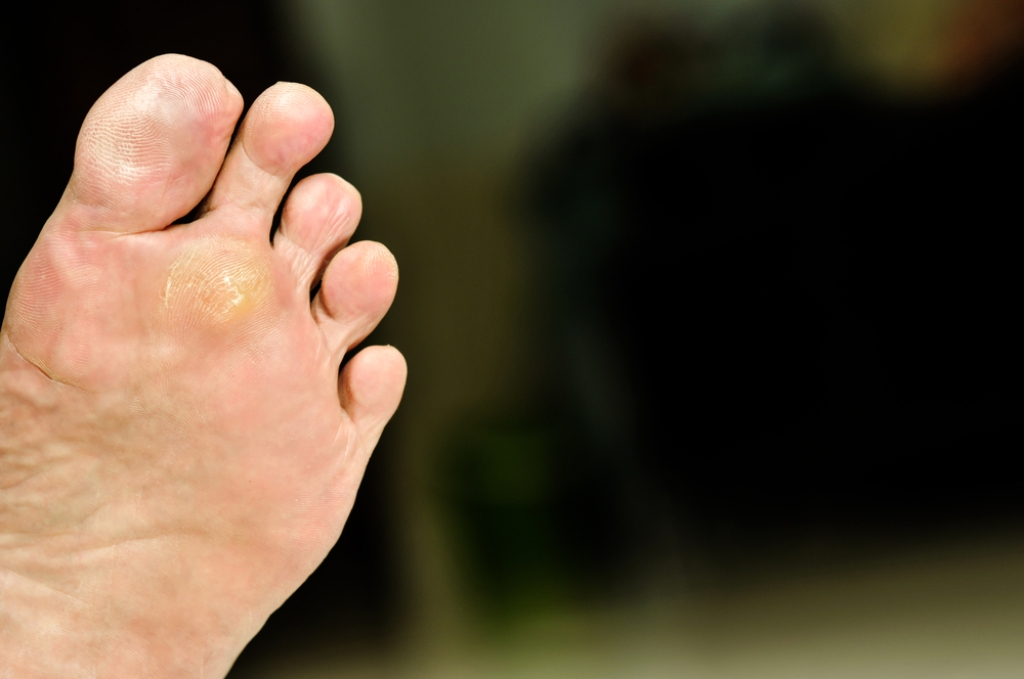
If you have a sore that produces pain on the bottom of your foot, you may have what is referred to as a plantar wart. A plantar wart generally causes severe discomfort and is caused by a virus that thrives in moist and warm environments. This type of wart will typically develop on the heel or ball of the foot, which can result in painful walking. It grows into the heel as a result of the pressure endured while walking, which is contrary to other types of warts that grow out. These types of warts originate from a virus that is known to be contagious and is generally found on wet surfaces. Common areas the virus may live on may include public showers, pools and surrounding surfaces. If you have this condition, it’s suggested to learn about preventive measures, including wearing appropriate shoes in showering areas, pools, and saunas. Please consult with a podiatrist for additional information about plantar warts and the correct treatment options for you.

Plantar warts can be very uncomfortable. If you need your feet checked, contact one of our podiatrists from Pennsylvania Foot & Ankle. Our doctors will assist you with all of your foot and ankle needs.

About Plantar Warts

Plantar warts are the result of HPV, or human papillomavirus, getting into open wounds on the feet. They are mostly found on the heels or balls of the feet.

While plantar warts are generally harmless, those experiencing excessive pain or those suffering from diabetes or a compromised immune system require immediate medical care. Plantar warts are easily diagnosed, usually through scraping off a bit of rough skin or by getting a biopsy.

Symptoms

  • Lesions on the bottom of your feet, usually rough and grainy
  • Hard or thick callused spots
  • Wart seeds, which are small clotted blood vessels that look like little black spots
  • Pain, discomfort, or tenderness of your feet when walking or standing

Treatment

  • Freezing
  • Electric tool removal
  • Laser Treatment
  • Topical Creams (prescription only)
  • Over-the-counter medications

To help prevent developing plantar warts, avoid walking barefoot over abrasive surfaces that can cause cuts or wounds for HPV to get into. Avoiding direct contact with other warts, as well as not picking or rubbing existing warts, can help prevent the further spread of plantar warts. However, if you think you have developed plantar warts, speak to your podiatrist. He or she can diagnose the warts on your feet and recommend the appropriate treatment options.

If you have any questions, please feel free to contact one of our offices located in Bensalem, Philadelphia, Northeast Philadelphia, Yardley, PA, and Hamilton, NJ . We offer the newest diagnostic and treatment technologies for all your foot care needs.
Read more about All About Plantar Warts

Connect With Us