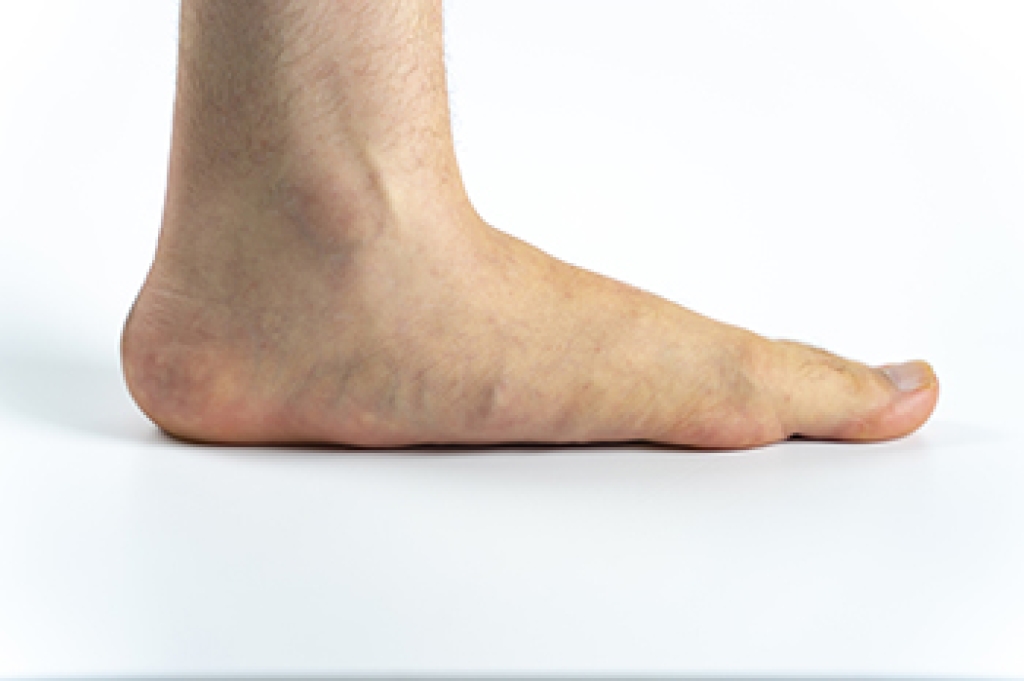
Advantages and Disadvantages of Having Flat Feet

Flat feet, also known as fallen arches, occur when the arch of the foot does not develop properly, causing the entire sole to touch the ground. While flat feet can present challenges, they also come with some potential benefits. One advantage is that flat feet provide a larger surface area for contact with the ground, which can improve stability and balance in some individuals. This can be especially helpful in activities that require a solid base, such as lifting weights or standing for long periods. However, flat feet can also cause problems. The lack of a natural arch can lead to foot pain, discomfort, and an increased risk of developing conditions like plantar fasciitis or shin splints. Flat feet may also contribute to poor posture and affect the alignment of the knees, hips, and lower back. If you have flat feet and are experiencing discomfort or pain, it is suggested that you confer with a podiatrist who can help you to manage this condition. 

Flatfoot is a condition many people suffer from. If you have flat feet, contact one of our podiatrists from Pennsylvania Foot & Ankle. Our doctors will treat your foot and ankle needs.

What Are Flat Feet?

Flatfoot is a condition in which the arch of the foot is depressed and the sole of the foot is almost completely in contact with the ground. About 20-30% of the population generally has flat feet because their arches never formed during growth.

Conditions & Problems:

Having flat feet makes it difficult to run or walk because of the stress placed on the ankles.

Alignment – The general alignment of your legs can be disrupted, because the ankles move inward which can cause major discomfort.

Knees – If you have complications with your knees, flat feet can be a contributor to arthritis in that area.  

Symptoms

  • Pain around the heel or arch area
  • Trouble standing on the tip toe
  • Swelling around the inside of the ankle
  • Flat look to one or both feet
  • Having your shoes feel uneven when worn

Treatment

If you are experiencing pain and stress on the foot you may weaken the posterior tibial tendon, which runs around the inside of the ankle. 

If you have any questions, please feel free to contact one of our offices located in Bensalem, Philadelphia, Northeast Philadelphia, Yardley, PA, and Hamilton, NJ . We offer the newest diagnostic and treatment technologies for all your foot care needs.

Read more about Flat Feet

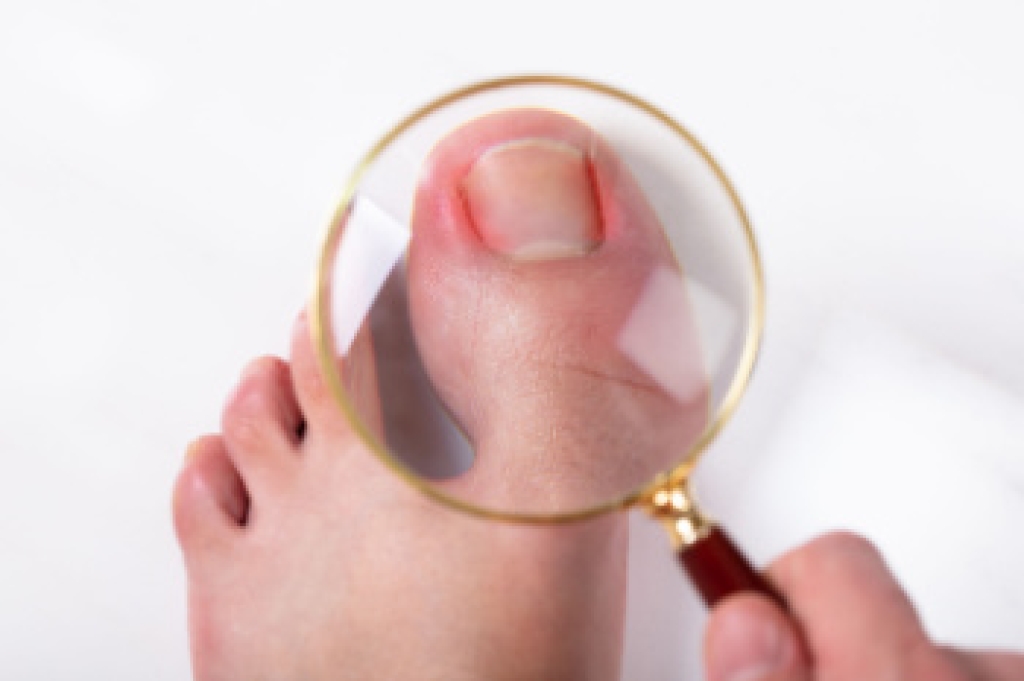
Understanding Ingrown Toenails in Kids

Ingrown toenails are a common problem in kids, often causing discomfort and pain. They occur when the edge of the toenail grows into the surrounding skin, leading to redness, swelling, and potential infection. The primary cause of ingrown toenails in children is improper nail trimming, such as cutting nails too short or rounding the edges. Tight shoes that put pressure on the toes can also contribute to this condition. The first stage of an ingrown toenail involves mild redness and tenderness around the nail. In the second stage, swelling and increased pain develop, and the skin may become more irritated. The third stage is marked by infection, where pus may form, and the toe becomes more inflamed. In the fourth stage, a severe infection can occur, requiring medical intervention. Prompt attention to ingrown toenails and proper nail care can prevent further complications and ensure healthier feet for kids. If your child has developed an ingrown toenail, it is suggested that you promptly contact a podiatrist who can effectively treat this condition.

Ingrown toenails may initially present themselves as a minor discomfort, but they may progress into an infection in the skin without proper treatment. For more information about ingrown toenails, contact one of our podiatrists of Pennsylvania Foot & Ankle. Our doctors can provide the care you need to keep you pain-free and on your feet.

Ingrown Toenails

Ingrown toenails are caused when the corner or side of a toenail grows into the soft flesh surrounding it. They often result in redness, swelling, pain, and in some cases, infection. This condition typically affects the big toe and may recur if it is not treated properly.

Causes

  • Improper toenail trimming
  • Genetics
  • Improper shoe fitting
  • Injury from pedicures or nail picking
  • Abnormal gait
  • Poor hygiene

You are more likely to develop an ingrown toenail if you are obese, have diabetes, arthritis, or have any fungal infection in your nails. Additionally, people who have foot or toe deformities are at a higher risk of developing an ingrown toenail.

Symptoms

Some symptoms of ingrown toenails are redness, swelling, and pain. In rare cases, there may be a yellowish drainage coming from the nail.

Treatment

Ignoring an ingrown toenail can have serious complications. Infections of the nail border can progress to a deeper soft-tissue infection, which can then turn into a bone infection. You should always speak with your podiatrist if you suspect you have an ingrown toenail, especially if you have diabetes or poor circulation.

If you have any questions, please feel free to contact one of our offices located in Bensalem, Philadelphia, Northeast Philadelphia, Yardley, PA, and Hamilton, NJ . We offer the newest diagnostic and treatment technologies for all your foot care needs.
Read more about Ingrown Toenails

Are You Suffering From Ingrown Toenails?

If left untreated, an ingrown toenail can lead to more serious concerns, such as an infection. Knowing proper nail care can help in the prevention of an ingrown toenail. Give us a call, and get treated!

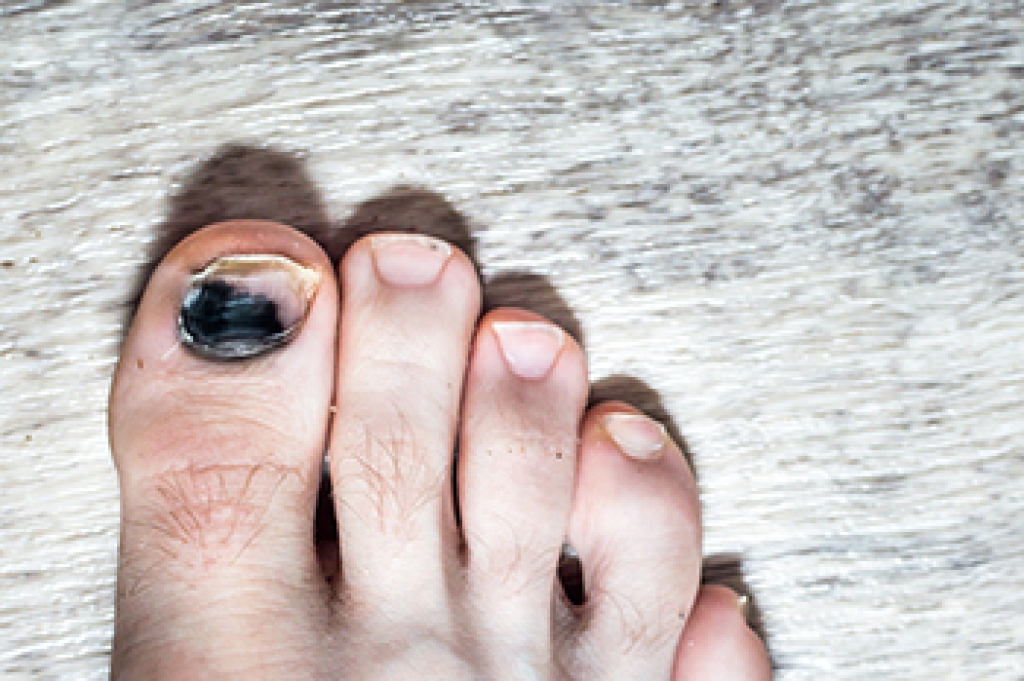
Managing Toenail Injuries

Toenail injuries can be both painful and concerning, often resulting in issues like a subungual hematoma, commonly called a bruised toenail. This condition occurs when blood and fluid become trapped beneath the toenail, leading to discoloration that may appear red, black, or purple. Such injuries are frequently caused by trauma, such as dropping a heavy object on the toe or repetitive pressure from wearing ill-fitting footwear or high-impact activities. Symptoms include throbbing pain, tenderness, and discoloration. In some cases, the nail becomes loose or falls off. Severe injuries can lead to complications, including nail thickening, deformities, or infections, particularly if the nail bed is damaged. A podiatrist can evaluate the extent of the toenail injury, determine whether drainage or nail removal is necessary, and provide treatment to prevent infection or permanent nail changes. If you have injured a toenail, it is suggested that you schedule an appointment with a podiatrist for appropriate treatment.

Toe pain can disrupt your daily activities. If you have any concerns, contact one of our podiatrists of Pennsylvania Foot & Ankle. Our doctors can provide the care you need to keep you pain-free and on your feet.

What Causes Toe Pain?

Most severe toe pain is caused due to a sports injury, trauma from dropping something heavy on the toe, or bumping into something rigid. Other problems can develop over time for various reasons.

Toe pain can be caused by one or more ailments. The most common include:

  • Trauma
  • Sports injury
  • Wearing shoes that are too tight
  • Arthritis
  • Gout
  • Corns and calluses
  • Hammertoe
  • Bunions
  • Blisters
  • Ingrown toenails
  • Sprains
  • Fractures (broken bones)
  • Dislocations

When to See a Podiatrist

  • Severe pain
  • Persistent pain that lasts more than a week
  • Signs of infection
  • Continued swelling
  • Pain that prevents walking

Diagnosis

In many cases the cause of toe pain is obvious, but in others, a podiatrist may want to use more advanced methods to determine the problem. These can range from simple visual inspections and sensation tests to X-rays and MRI scans. Prior medical history, family medical history, and any recent physical traumatic events will all be taken into consideration for a proper diagnosis.

Treatment

Treatments for toe pain and injuries vary and may include shoe inserts, padding, taping, medicines, injections, and in some cases, surgery. If you believe that you have broken a toe, please see a podiatrist as soon as possible.

If you have any questions please contact one of our offices located in Bensalem, Philadelphia, Northeast Philadelphia, Yardley, PA, and Hamilton, NJ . We offer the newest diagnostic and treatment technologies for all your foot and ankle needs.

Read more about Toe Pain

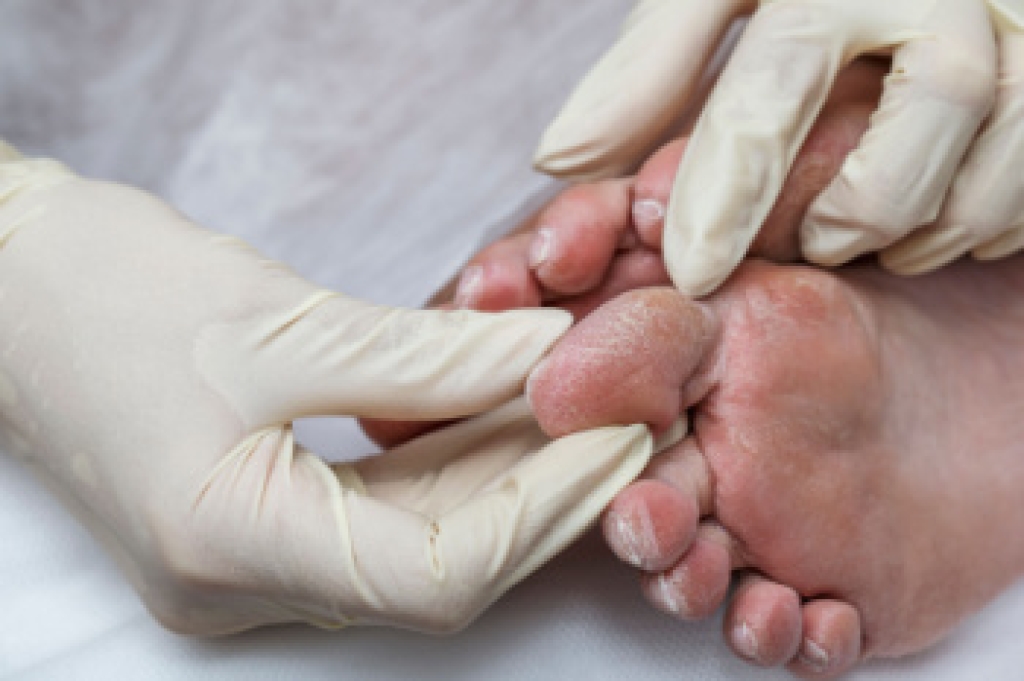
Good Foot Care for Diabetic Patients

For individuals with diabetes, proper foot care is crucial to prevent complications that can arise due to poor circulation and nerve damage. Diabetic patients should inspect their feet regularly for any signs of trouble, such as cuts, blisters, or sores, as these can quickly develop into more serious infections. Loss of feeling, known as neuropathy, is common in people who have diabetes and can make it difficult to notice injuries or infections. Changes in the shape of the feet or toes, such as swelling or the development of bunions, can also signal potential issues that need attention. Foot pain, whether constant or occasional, should not be ignored, as it could indicate an underlying problem like arthritis or poor circulation. Wearing well-fitting shoes and keeping the feet clean and moisturized can help prevent many foot issues. If you have diabetes, it is suggested that you are under the care of a podiatrist who can help you to manage this serious condition.

Diabetic foot care is important in preventing foot ailments such as ulcers. If you are suffering from diabetes or have any other concerns about your feet, contact one of our podiatrists from Pennsylvania Foot & Ankle. Our doctors can provide the care you need to keep you pain-free and on your feet.

Diabetic Foot Care

Diabetes affects millions of people every year. The condition can damage blood vessels in many parts of the body, especially the feet. Because of this, taking care of your feet is essential if you have diabetes, and having a podiatrist help monitor your foot health is highly recommended.

The Importance of Caring for Your Feet

  • Routinely inspect your feet for bruises or sores.
  • Wear socks that fit your feet comfortably.
  • Wear comfortable shoes that provide adequate support.

Patients with diabetes should have their doctor monitor their blood levels, as blood sugar levels play such a huge role in diabetic care. Monitoring these levels on a regular basis is highly advised.

It is always best to inform your healthcare professional of any concerns you may have regarding your feet, especially for diabetic patients. Early treatment and routine foot examinations are keys to maintaining proper health, especially because severe complications can arise if proper treatment is not applied.

If you have any questions, please feel free to contact one of our offices located in Bensalem, Philadelphia, Northeast Philadelphia, Yardley, PA, and Hamilton, NJ . We offer the newest diagnostic and treatment technologies for all your foot care needs.
Read more about How to Care for Diabetic Foot

Connect With Us