
You don't need an excuse to have beautiful nails. Step outside without worrying about the appearance of your feet.
You don't need an excuse to have beautiful nails. Step outside without worrying about the appearance of your feet.
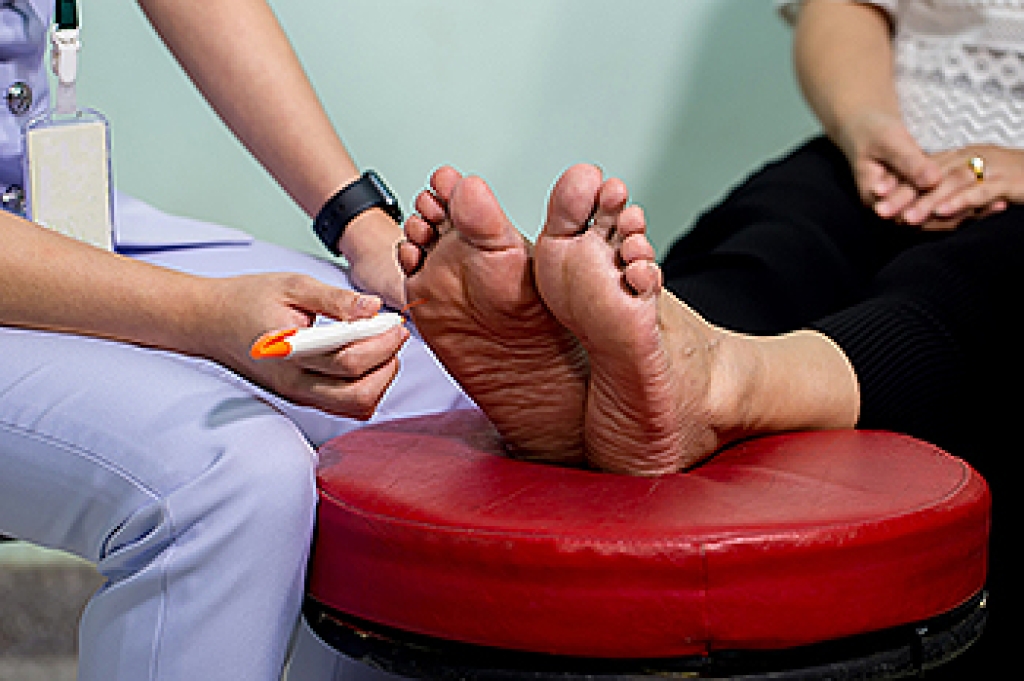
Diabetics who have long battled with high blood sugar levels are top candidates for foot problems that develop because of nerve damage and constricted blood flow to the feet and toes. These conditions often cause numbness that makes it difficult for the diabetic to detect hot and cold sensations, notice sores on their feet, and feel pressure from shoes that are too tight. Practicing foot care is a must for diabetics. Suggested tasks include checking for cuts, sores, wounds that don’t seem to be healing, calluses, corns, and cracks in the skin. These can all develop into ulcers that may cause serious problems, such as gangrene or even amputation, if ignored. Other measures include keeping the feet washed, thoroughly dried, and moisturized daily. Also, groom toenails properly by cutting them, or having them cut, straight across to prevent ingrown toenails that may invite infection. Protect your feet by wearing socks that are clean and dry and try to avoid walking barefoot. Anyone with diabetes would be wise to make regular visits to a podiatrist, who can evaluate their feet and keep current with necessary treatment options.
Diabetic foot care is important in preventing foot ailments such as ulcers. If you are suffering from diabetes or have any other concerns about your feet, contact one of our podiatrists from Pennsylvania Foot & Ankle. Our doctors can provide the care you need to keep you pain-free and on your feet.
Diabetic Foot Care
Diabetes affects millions of people every year. The condition can damage blood vessels in many parts of the body, especially the feet. Because of this, taking care of your feet is essential if you have diabetes, and having a podiatrist help monitor your foot health is highly recommended.
The Importance of Caring for Your Feet
Patients with diabetes should have their doctor monitor their blood levels, as blood sugar levels play such a huge role in diabetic care. Monitoring these levels on a regular basis is highly advised.
It is always best to inform your healthcare professional of any concerns you may have regarding your feet, especially for diabetic patients. Early treatment and routine foot examinations are keys to maintaining proper health, especially because severe complications can arise if proper treatment is not applied.
If you have any questions, please feel free to contact one of our offices located in Bensalem, Philadelphia, Northeast Philadelphia, Yardley, PA, and Hamilton, NJ . We offer the newest diagnostic and treatment technologies for all your foot care needs.

Anyone who runs for exercise or sports, such as track and soccer, knows that injury to their feet and ankles are bound to occur at some point. The most common injuries happen as a result of overuse. Among them are plantar fasciitis (heel pain), Achilles tendonitis (back of the ankle pain), sesamoiditis (pain at the base of the toes), and stress fractures (frequently in the metatarsal bones). By far, the most common of these is plantar fasciitis, caused by inflammation of the band of tissue that holds up the arch on the foot. Some relief can be provided by stretching exercises, resting and icing the area, and finding shoes with better arch support. Pain in the back of the heel, generally caused by an inflamed Achilles tendon, is a common sign of overuse, especially among beginners who run too far, too fast. Rest, ice, compression and elevation may help, along with stretching exercises, and possibly orthotics. Pain, burning, and swelling in the ball of the foot can be caused by a pinched nerve or inflammation in the metatarsal joints. Orthotics and different running shoes can help. Stress fractures are difficult to detect and slow to heal, but cause ongoing discomfort. For help with any of these common injuries, it is best to consult with a podiatrist who can do a thorough examination and provide proper treatment options depending on the diagnosis.
Sports related foot and ankle injuries require proper treatment before players can go back to their regular routines. For more information, contact one of our podiatrists of Pennsylvania Foot & Ankle. Our doctors can provide the care you need to keep you pain-free and on your feet.
Sports Related Foot and Ankle Injuries
Foot and ankle injuries are a common occurrence when it comes to athletes of any sport. While many athletes dismiss the initial aches and pains, the truth is that ignoring potential foot and ankle injuries can lead to serious problems. As athletes continue to place pressure and strain the area further, a mild injury can turn into something as serious as a rupture and may lead to a permanent disability. There are many factors that contribute to sports related foot and ankle injuries, which include failure to warm up properly, not providing support or wearing bad footwear. Common injuries and conditions athletes face, including:
Sports related injuries are commonly treated using the RICE method. This includes rest, applying ice to the injured area, compression and elevating the ankle. More serious sprains and injuries may require surgery, which could include arthroscopic and reconstructive surgery. Rehabilitation and therapy may also be required in order to get any recovering athlete to become fully functional again. Any unusual aches and pains an athlete sustains must be evaluated by a licensed, reputable medical professional.
If you have any questions please contact one of our offices located in Bensalem, Philadelphia, Northeast Philadelphia, Yardley, PA, and Hamilton, NJ . We offer the newest diagnostic and treatment technologies for all your foot and ankle needs.

When children experience a growth spurt during puberty there can be an imbalance in the growth rate of their muscles, bones, and tendons. This is termed Sever’s disease, which generally affects children between the ages of 8 and 14. This condition occurs because the muscles and tendons in the heel become tight, pulling on the growth plate (cartilage) in the back of the heel. It is quite common in children who are particularly active in sports with a lot of running and jumping or other strenuous activities, such as gymnastics and dancing. Your child may experience redness or swelling in the back of the heel, stiffness in the feet first thing in the morning, and pain when the heel is squeezed on both sides. You also may notice them limping or walking on their tiptoes. Cutting down on the activities which induce the pain is one way to help alleviate symptoms of Sever’s disease, which may last for a few months. To be on the safe side, however, it is a good idea to introduce your child to a podiatrist who can conduct a full examination and suggest a program of treatment.
Sever's disease often occurs in children and teens. If your child is experiencing foot or ankle pain, see one of our podiatrists from Pennsylvania Foot & Ankle. Our doctors can treat your child’s foot and ankle needs.
Sever’s Disease
Sever’s disease is also known as calcaneal apophysitis, which is a medical condition that causes heel pain I none or both feet. The disease is known to affect children between the ages of 8 and 14.
Sever’s disease occurs when part of the child’s heel known as the growth plate (calcaneal epiphysis) is attached to the Achilles tendon. This area can suffer injury when the muscles and tendons of the growing foot do not keep pace with bone growth. Therefore, the constant pain which one experiences at the back of the heel will make the child unable to put any weight on the heel. The child is then forced to walk on their toes.
Symptoms
Acute pain – Pain associated with Sever’s disease is usually felt in the heel when the child engages in physical activity such as walking, jumping and or running.
Highly active – Children who are very active are among the most susceptible in experiencing Sever’s disease, because of the stress and tension placed on their feet.
If you have any questions, please feel free to contact one of our offices located in Bensalem, Philadelphia, Northeast Philadelphia, Yardley, PA, and Hamilton, NJ . We offer the newest diagnostic and treatment technologies for all your foot care needs.

Do you suffer from heel pain when you get up in the morning? If so, you should seek professional help and have a proper diagnosis performed. Heel pain can be caused by several different foot-related conditions.

A podiatrist is a medical doctor who specializes in the treatment of the many conditions that affect your toes, feet, and ankles. Podiatrists have a degree in medicine and have undergone further training in their specialty. Their main job is to promote mobility and activity, reduce pain, and treat infections related to the feet and ankles. They handle simple cases, including corns and calluses, ingrown toenails, fungal infections, and plantar warts, to name a few. Podiatrists also treat more complex problems, such as bunions and heel pain (plantar fasciitis), as well as ankle sprains, Achilles tendon injuries, and broken bones. Podiatrists can help with orthotics for specific foot problems as well as offer treatment for people with chronic conditions that can seriously affect the feet, such as diabetes, peripheral artery disease, and peripheral neuropathy. If you have any foot, toe, or ankle ailment, it is a good idea to seek the help of a podiatrist for a full examination, a diagnosis, and treatment options.
If you are dealing with pain in your feet and ankles, you may want to seek help from a podiatrist. Feel free to contact one of our podiatrists from Pennsylvania Foot & Ankle. Our doctors can provide the care you need to keep you pain-free and on your feet.
What Is a Podiatrist?
A podiatrist is a doctor of podiatric medicine who diagnoses and treats conditions of the foot, ankle, and related structures of the leg. Your podiatrist may specialize in a certain field such as sports medicine, wound care, pediatrics, and diabetic care. Podiatrists have the ability to become board certified through training, clinical experience, and then taking an exam.
What Do Podiatrists Do?
On a daily basis, a podiatrist may perform the following activities:
It is very important that you take care of your feet. It’s easy to take having healthy feet for granted, however foot problems tend to be among the most common health conditions. Podiatrists can help diagnose and treat a variety of feet related conditions, so it is crucial that you visit one if you need assistance.
If you have any questions, please feel free to contact one of our offices located in Bensalem, Philadelphia, Northeast Philadelphia, Yardley, PA, and Hamilton, NJ . We offer the newest diagnostic and treatment technologies for all your foot care needs.
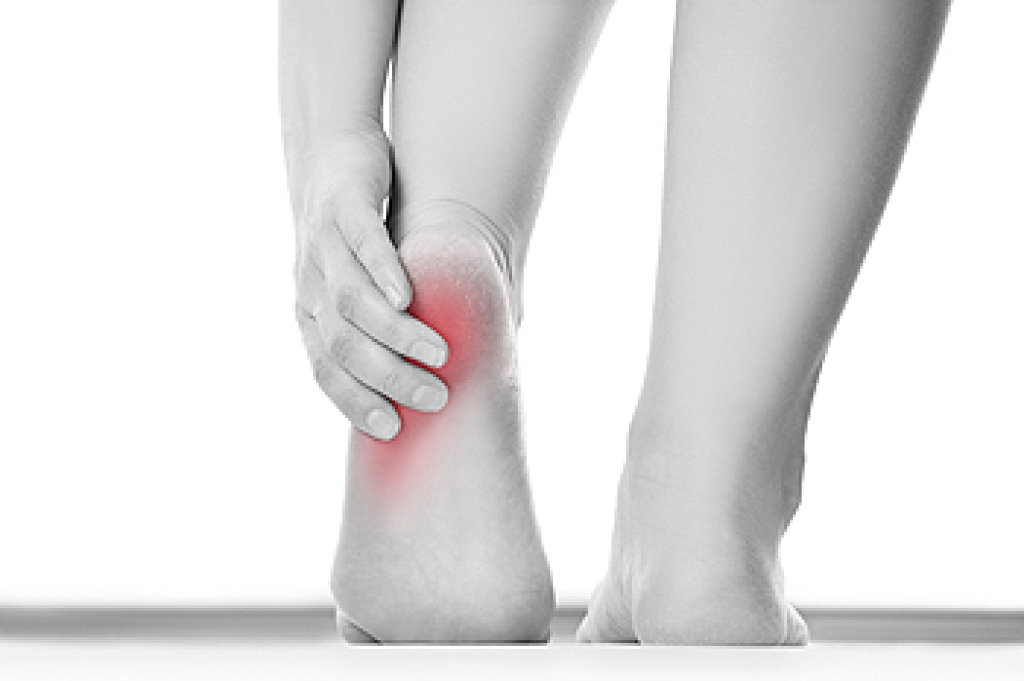
Although plantar fasciitis (an inflammation of the plantar fascia ligament on the sole of the foot) is often the root of heel pain, it can come from a variety of other conditions as well. For instance, compression of the medial calcaneal nerve, which travels down the inner part of the ankle, can create a tingling or numb sensation in the heel as well as pain. In older adults, fat pads in the heel can wear down (fat pad atrophy) and cause pain. Systemic inflammatory conditions such as certain types of arthritis, Reiter syndrome, ankylosing spondylitis, and a common type of lupus (systemic lupus erythematosus) may sometimes be associated with heel pain. Sometimes tiny nodules, or plantar fibroma, develop on the plantar fascia which can cause pain in the arch near the heel. To have the cause of your heel pain properly diagnosed and treated, make an appointment with a podiatrist.
Many people suffer from bouts of heel pain. For more information, contact one of our podiatrists of Pennsylvania Foot & Ankle. Our doctors can provide the care you need to keep you pain-free and on your feet.
Causes of Heel Pain
Heel pain is often associated with plantar fasciitis. The plantar fascia is a band of tissues that extends along the bottom of the foot. A rip or tear in this ligament can cause inflammation of the tissue.
Achilles tendonitis is another cause of heel pain. Inflammation of the Achilles tendon will cause pain from fractures and muscle tearing. Lack of flexibility is also another symptom.
Heel spurs are another cause of pain. When the tissues of the plantar fascia undergo a great deal of stress, it can lead to ligament separation from the heel bone, causing heel spurs.
Why Might Heel Pain Occur?
Treatments
Heel pain should be treated as soon as possible for immediate results. Keeping your feet in a stress-free environment will help. If you suffer from Achilles tendonitis or plantar fasciitis, applying ice will reduce the swelling. Stretching before an exercise like running will help the muscles. Using all these tips will help make heel pain a condition of the past.
If you have any questions, please feel free to contact one of our offices located in Bensalem, Philadelphia, Northeast Philadelphia, Yardley, PA, and Hamilton, NJ . We offer the newest diagnostic and treatment technologies for all your foot care needs.
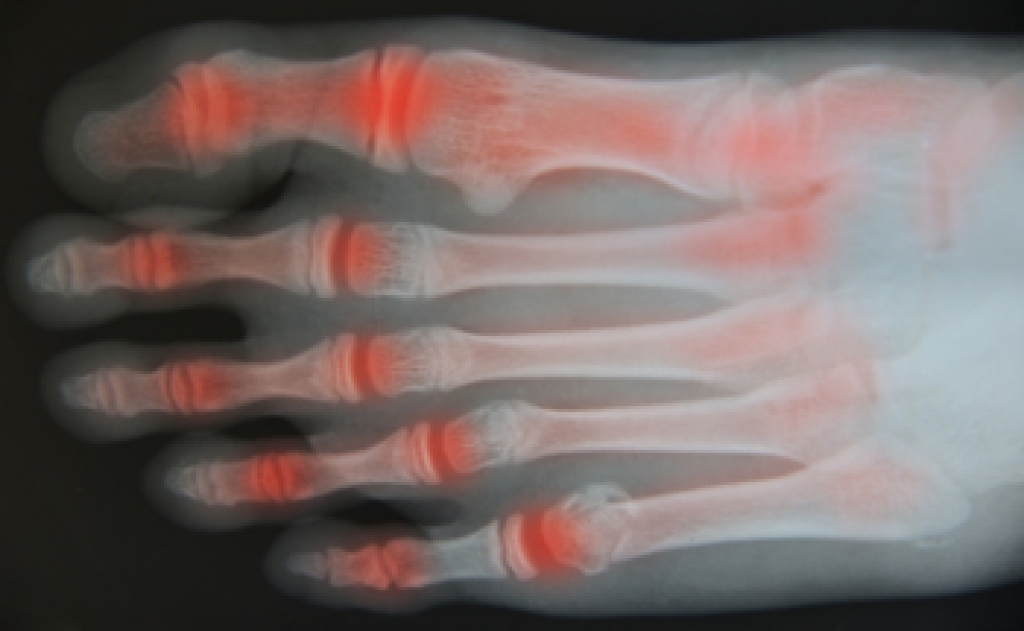
Arthritis, a painful inflammatory condition, can affect many parts of the body including the feet, particularly as you age. Arthritic foot pain often comes with stiff joints, as well as a loss of strength, flexibility, and mobility in the affected area. Various things can be done to relieve pain and slow the progression of this disease, including foot massages to improve circulation and decrease tension in the joint, using heat (to loosen the muscles and reduce stiffness), or using ice (to constrict blood vessels and reduce blood flow to the problem area). Wearing proper footwear (wide enough to accommodate orthotics or other foot aids and with proper arch support to stabilize the joints and feet) and continuing to move despite the pain may also help. Other suggestions include maintaining a healthy body weight, participating in physical therapy, using non-steroidal anti-inflammatory medications, topical creams, and;/or steroid injections. While there is no cure for arthritis, a podiatrist can help determine the best way to handle your arthritic foot pain.
Arthritis can be a difficult condition to live with. If you are seeking treatment, contact one of our podiatrists from Pennsylvania Foot & Ankle. Our doctors can provide the care you need to keep you pain-free and on your feet.
Arthritic Foot Care
Arthritis is a term that is commonly used to describe joint pain. The condition itself can occur to anyone of any age, race, or gender, and there are over 100 types of it. Nevertheless, arthritis is more commonly found in women compared to men, and it is also more prevalent in those who are overweight. The causes of arthritis vary depending on which type of arthritis you have. Osteoarthritis for example, is often caused by injury, while rheumatoid arthritis is caused by a misdirected immune system.
Symptoms
Arthritic symptoms range in severity, and they may come and go. Some symptoms stay the same for several years but could potentially get worse with time. Severe cases of arthritis can prevent its sufferers from performing daily activities and make walking difficult.
Risk Factors
If you suspect your arthritis is affecting your feet, it is crucial that you see a podiatrist immediately. Your doctor will be able to address your specific case and help you decide which treatment method is best for you.
If you have any questions please feel free to contact one of our offices located in Bensalem, Philadelphia, Northeast Philadelphia, Yardley, PA, and Hamilton, NJ . We offer the newest diagnostic tools and technology to treat your foot and ankle needs.

Custom orthotics, or shoe inserts, should be periodically replaced. Orthotics must fit properly to give you the best results. Protect your feet and ankles!
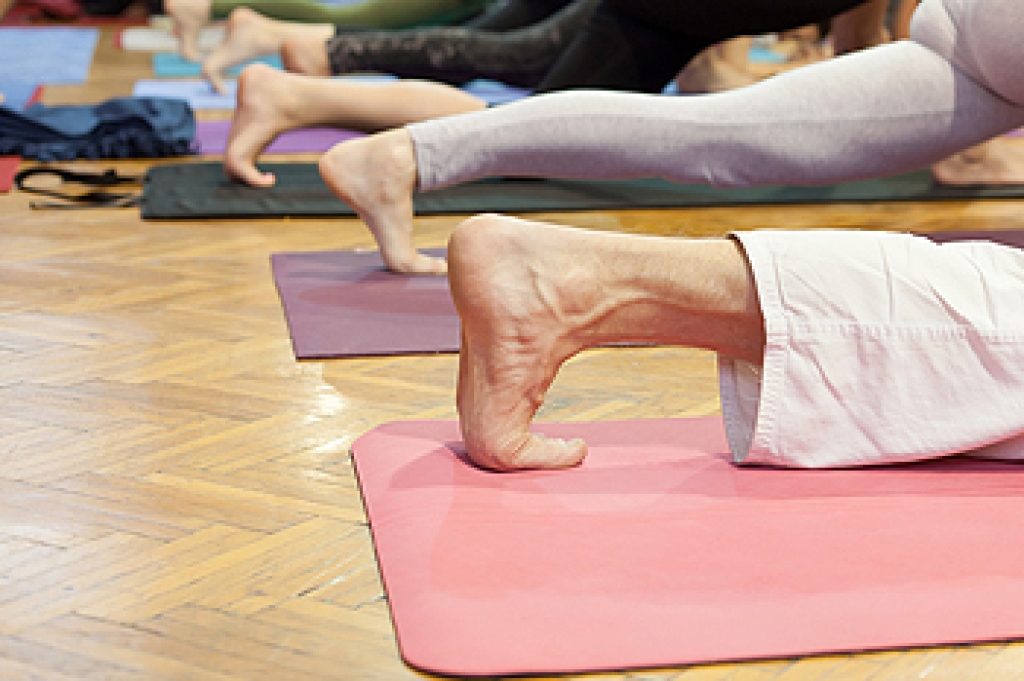 Many patients have occupations that require standing for most of the day. The heel of the foot is often affected by this, and conditions can develop including plantar fasciitis and heel spurs. When the feet are properly stretched it can positively affect the overall body. The standing lunging calf stretch can help to diminish tension in the body that is caused by standing. This stretch may help to promote circulation in the calf muscles which can affect the Achilles tendon. The heels can be stretched by rolling the foot on a tennis ball. Additionally, standing on a step and slowly lowering the heel until a gentle stretch is felt is another way of successfully stretching the heels. If you would like more information about effective foot stretches, please confer with a podiatrist.
Why Stretching Is Important for Your Feet
Stretching the feet is a great way to prevent injuries. If you have any concerns with your feet consult with one of our podiatrists from Pennsylvania Foot & Ankle. Our doctors will assess your condition and provide you with quality foot and ankle treatment.
Stretching the Feet
Stretching the muscles in the foot is an important part in any physical activity. Feet that are tight can lead to less flexibility and make you more prone to injury. One of the most common forms of foot pain, plantar fasciitis, can be stretched out to help ease the pain. Stretching can not only ease pain from plantar fasciitis but also prevent it as well. However, it is important to see a podiatrist first to determine if stretching is right for you. Podiatrists can also recommend other ways to stretch your feet. Once you know whether stretching is right for you, here are some excellent stretches you can do.
It is best to go easy when first stretching your foot and work your way up. If your foot starts hurting, stop exercising to ice and rest the foot. It is advised that you then see a podiatrist for help.
If you have any questions please contact one of our offices located in Bensalem, Philadelphia, Northeast Philadelphia, Yardley, PA, and Hamilton, NJ . We offer the newest diagnostic and treatment technologies for all your foot and ankle needs.
Connect With Us
