Managing Infected Ingrown Toenails

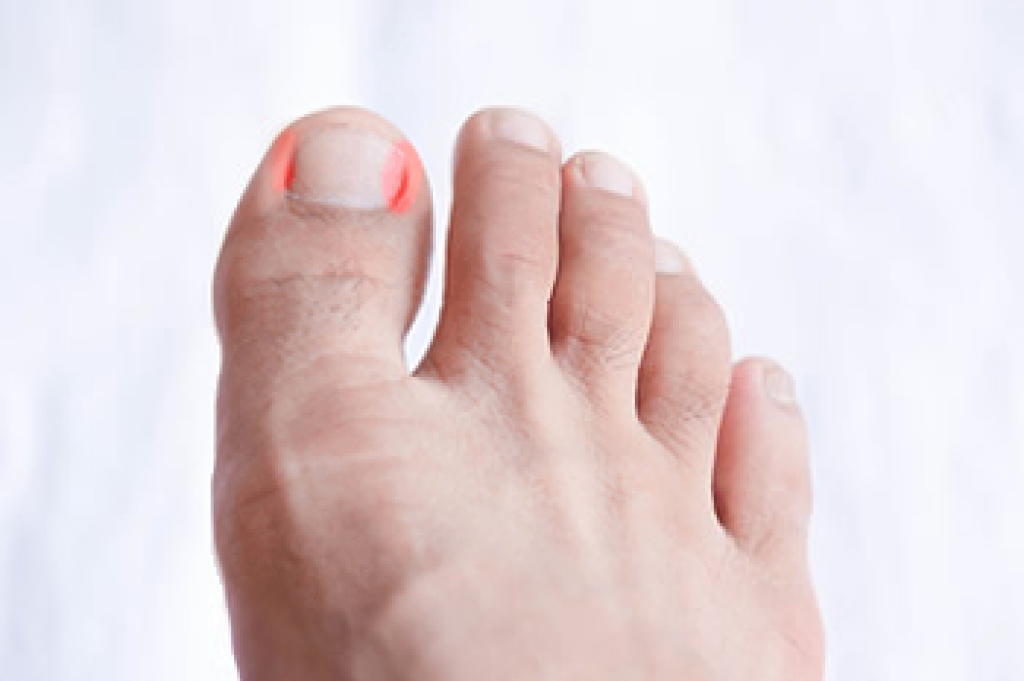
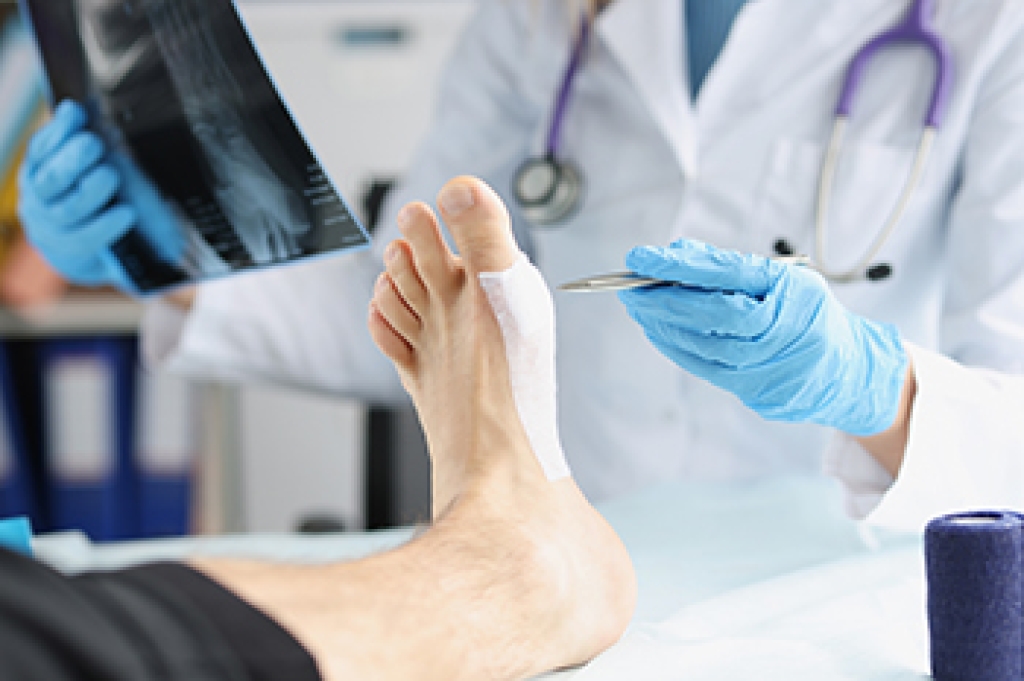
Ingrown toenails, a common problem causing pain and inconvenience, can affect anyone. However, they are most frequently seen in young adults and adolescents. These toenails usually affect the big toe but can affect other toes as well. Causes of ingrown toenails include direct trauma to the toe, genetic predisposition, improper nail trimming, and wearing poorly fitting shoes. There are three stages of ingrown toenails. Stage one involves redness, slight swelling, and pain at the lateral nail fold. Stage two presents with increased pain, discharge from the nail edge, and signs of bacterial paronychia. In stage three, hypertrophic granulation tissue forms on the lateral wall. Treatment ranges from the conservative to surgery. If you have an ingrown toenail, particularly if it appears infected, it is suggested that you schedule an appointment with a podiatrist to have the affected nail evaluated, and proper treatment given.

Ingrown toenails can become painful if they are not treated properly. For more information about ingrown toenails, contact one of our podiatrists of Pennsylvania Foot & Ankle. Our doctors can provide the care you need to keep you pain-free and on your feet.

Ingrown Toenails

Ingrown toenails occur when a toenail grows sideways into the bed of the nail, causing pain, swelling, and possibly infection.

Causes

  • Bacterial infections
  • Improper nail cutting such as cutting it too short or not straight across
  • Trauma to the toe, such as stubbing, which causes the nail to grow back irregularly
  • Ill-fitting shoes that bunch the toes too close together
  • Genetic predisposition

Prevention

Wearing proper fitting shoes and using proper cutting techniques will also help decrease your risk of developing ingrown toenails.

Treatment

Ingrown toenails are a very treatable foot condition. In minor cases, soaking the affected area in salt or antibacterial soaps will not only help with the ingrown nail itself, but also help prevent any infections from occurring. In more severe cases, surgery is an option. In either case, speaking to your podiatrist about this condition will help you get a better understanding of specific treatment options that are right for you.

If you have any questions, please feel free to contact one of our offices located in Bensalem, Philadelphia, Northeast Philadelphia, Yardley, PA, and Hamilton, NJ . We offer the newest diagnostic and treatment technologies for all your foot care needs.
Read more about Ingrown Toenails

Types of Bunion Surgery

Bunions, a common source of discomfort in the big toe, can often lead to surgical solutions. With an array of over 150 bunion surgeries available, it is beneficial to comprehend the prevailing procedures in use today. The bunionectomy is a foundational method. It involves removing the bony outgrowth at the base of the big toe that is responsible for the bunion and realigning the surrounding muscles, tendons, and ligaments. Osteotomy, another prevalent technique, necessitates cutting the toe bone to reposition the affected joint. It may also involve securing the bone with pins or screws for sustained correction. Arthrodesis is employed in cases of significant joint damage. This procedure entails fusing the surrounding bones with screws, wires, or plates. Arthroplasty is reserved for severe cases. The damaged portion of the joint is replaced with an implant, aiming to restore joint function. Integral to all bunion surgeries is soft tissue repair, ensuring the equilibrium of tendons and ligaments surrounding the joint to deter deformity recurrence. If you have a bunion that is causing extreme pain, it is suggested that you schedule an appointment with a podiatrist for a full examination and suggestions for treatment options. 

If you are suffering from bunions, contact one of our podiatrists of Pennsylvania Foot & Ankle. Our doctors can provide the care you need to keep you pain-free and on your feet.

What Is a Bunion?

A bunion is formed of swollen tissue or an enlargement of boney growth, usually located at the base joint of the toe that connects to the foot. The swelling occurs due to the bones in the big toe shifting inward, which impacts the other toes of the foot. This causes the area around the base of the big toe to become inflamed and painful.

Why Do Bunions Form?

Genetics – Susceptibility to bunions are often hereditary

Stress on the feet – Poorly fitted and uncomfortable footwear that places stress on feet, such as heels, can worsen existing bunions

How Are Bunions Diagnosed?

Podiatrists often perform two tests – blood tests and x-rays – when trying to diagnose bunions, especially in the early stages of development. Blood tests help determine if the foot pain is being caused by something else, such as arthritis, while x-rays provide a clear picture of your bone structure to your provider.

How Are Bunions Treated?

  • Refrain from wearing heels or similar shoes that cause discomfort
  • Select wider shoes that can provide more comfort and reduce pain
  • Anti-inflammatory and pain management drugs
  • Orthotics or foot inserts
  • Surgery

If you have any questions, please feel free to contact one of our offices located in Bensalem, Philadelphia, Northeast Philadelphia, Yardley, PA, and Hamilton, NJ . We offer the newest diagnostic and treatment technologies for all your foot care needs.
Read more about Bunions

Gout Pain Can Be Managed

Gout is a painful, inflammatory form of arthritis. Those affected will typically feel an intense stiffness in the joints of their feet, particularly in the big toe. Schedule a visit to learn about how gout can be managed and treated.

Causes of Achilles Tendonitis

Achilles tendonitis is a common injury that affects both athletes and non-athletes alike. It is often the result of repeated stress on the Achilles tendon, the long tendon that connects the calf muscles to the heel. Achilles tendonitis primarily strikes the younger and middle-aged population engaged in sports like running, gymnastics, and basketball. But it can also affect those leading a more sedentary lifestyle. One of the leading causes stems from an abrupt surge in physical activity, leaving the body little time to acclimate to the increased strain. Failure to stretch adequately before engaging in activities such as running or jumping on hard surfaces can increase the risk, particularly for those with tight calf muscles. Footwear choices play a pivotal role in Achilles tendon health. Wearing high heels for extended periods without proper support can contribute to the onset of Achilles tendonitis. Factors like flat feet, obesity, diabetes, high blood pressure, and certain antibiotics also can predispose individuals to this condition. Further, those with excessive pronation or flat arches face an elevated risk due to the heightened demands placed on the tendon during regular walking. Whether involved in regular labor-intensive work or sporadic intense physical activities, individuals must be mindful of the strain placed on their Achilles tendon. If you have pain in the back of the heel, it is suggested that you make an appointment with a podiatrist.

Achilles tendon injuries need immediate attention to avoid future complications. If you have any concerns, contact one of our podiatrists of Pennsylvania Foot & Ankle. Our doctors can provide the care you need to keep you pain-free and on your feet.

What Is the Achilles Tendon?

The Achilles tendon is a tendon that connects the lower leg muscles and calf to the heel of the foot. It is the strongest tendon in the human body and is essential for making movement possible. Because this tendon is such an integral part of the body, any injuries to it can create immense difficulties and should immediately be presented to a doctor.

What Are the Symptoms of an Achilles Tendon Injury?

There are various types of injuries that can affect the Achilles tendon. The two most common injuries are Achilles tendinitis and ruptures of the tendon.

Achilles Tendinitis Symptoms

  • Inflammation
  • Dull to severe pain
  • Increased blood flow to the tendon
  • Thickening of the tendon

Rupture Symptoms

  • Extreme pain and swelling in the foot
  • Total immobility

Treatment and Prevention

Achilles tendon injuries are diagnosed by a thorough physical evaluation, which can include an MRI. Treatment involves rest, physical therapy, and in some cases, surgery. However, various preventative measures can be taken to avoid these injuries, such as:

  • Thorough stretching of the tendon before and after exercise
  • Strengthening exercises like calf raises, squats, leg curls, leg extensions, leg raises, lunges, and leg presses

If you have any questions please feel free to contact one of our offices located in Bensalem, Philadelphia, Northeast Philadelphia, Yardley, PA, and Hamilton, NJ . We offer the newest diagnostic tools and technology to treat your foot and ankle needs.

Read more about What are Achilles Tendon Injuries

Ankle Injuries Among High School Athletes

Ankle injuries, a prevalent concern among high school athletes, casts a shadow on the vibrant world of interscholastic sports. The competitive spirit that drives young athletes often comes with a risk, and ankle injuries have emerged as a common adversary. Whether on the soccer field, basketball court, or track, the dynamic nature of these sports makes athletes susceptible to twists, sprains, and strains. The prevalence of ankle injuries is not just a statistical observation; it represents missed games, disrupted seasons, and potential long-term consequences for these young athletes. The adolescent growth spurt coupled with developing coordination adds to the vulnerability. Coaches, parents, and athletes themselves play essential roles in injury prevention through proper training, conditioning, and awareness. For those individuals seeking additional information about foot and ankle protection while participating in high school sports, it is suggested that you consult a podiatrist who can provide you with the information you are looking for.

Sports related foot and ankle injuries require proper treatment before players can go back to their regular routines. For more information, contact one of our podiatrists of Pennsylvania Foot & Ankle. Our doctors can provide the care you need to keep you pain-free and on your feet.

Sports Related Foot and Ankle Injuries

Foot and ankle injuries are a common occurrence when it comes to athletes of any sport. While many athletes dismiss the initial aches and pains, the truth is that ignoring potential foot and ankle injuries can lead to serious problems. As athletes continue to place pressure and strain the area further, a mild injury can turn into something as serious as a rupture and may lead to a permanent disability. There are many factors that contribute to sports related foot and ankle injuries, which include failure to warm up properly, not providing support or wearing bad footwear. Common injuries and conditions athletes face, including:

  • Plantar Fasciitis
  • Achilles Tendinitis
  • Achilles Tendon Rupture
  • Ankle Sprains

Sports related injuries are commonly treated using the RICE method. This includes rest, applying ice to the injured area, compression and elevating the ankle. More serious sprains and injuries may require surgery, which could include arthroscopic and reconstructive surgery. Rehabilitation and therapy may also be required in order to get any recovering athlete to become fully functional again. Any unusual aches and pains an athlete sustains must be evaluated by a licensed, reputable medical professional.

If you have any questions please contact one of our offices located in Bensalem, Philadelphia, Northeast Philadelphia, Yardley, PA, and Hamilton, NJ . We offer the newest diagnostic and treatment technologies for all your foot and ankle needs.

Read more about Sports Related Foot And Ankle Injuries

Os Trigonum Syndrome Explained

Most people have never heard of an os trigonum and do not know if they have one or not. That is because the os trigonum is an extra bone in the foot that is present in only 20% of the population. In most cases, this extra bone goes unnoticed. An os trigonum typically forms during childhood and, in most cases, fuses with the talus bone. But if it remains separate, complications can arise with overuse or trauma. The result is termed os trigonum syndrome. Activities requiring frequent ankle flexion, like ballet dancing or running, can contribute to its development. Also, an ankle injury that forces the foot into excessive plantar flexion, in which the toes are pointed downward, can lead to what is termed a nutcracker injury. It is caused when an os trigonum is compressed between the ankle and heel bones. Symptoms include pain at the back of the ankle, worsened during activities such as excessive toe pointing or in the push off phase while walking. Tenderness upon touching the affected area, swelling due to soft tissue inflammation, and the presence of a palpable lump near the Achilles tendon are characteristic signs of os trigonum syndrome. If you are experiencing pain in the back of the heel, it is suggested that you make an appointment with a podiatrist who can determine what the cause is, and suggest appropriate treatment.  

Many people suffer from bouts of heel pain. For more information, contact one of our podiatrists of Pennsylvania Foot & Ankle. Our doctors can provide the care you need to keep you pain-free and on your feet.

Causes of Heel Pain

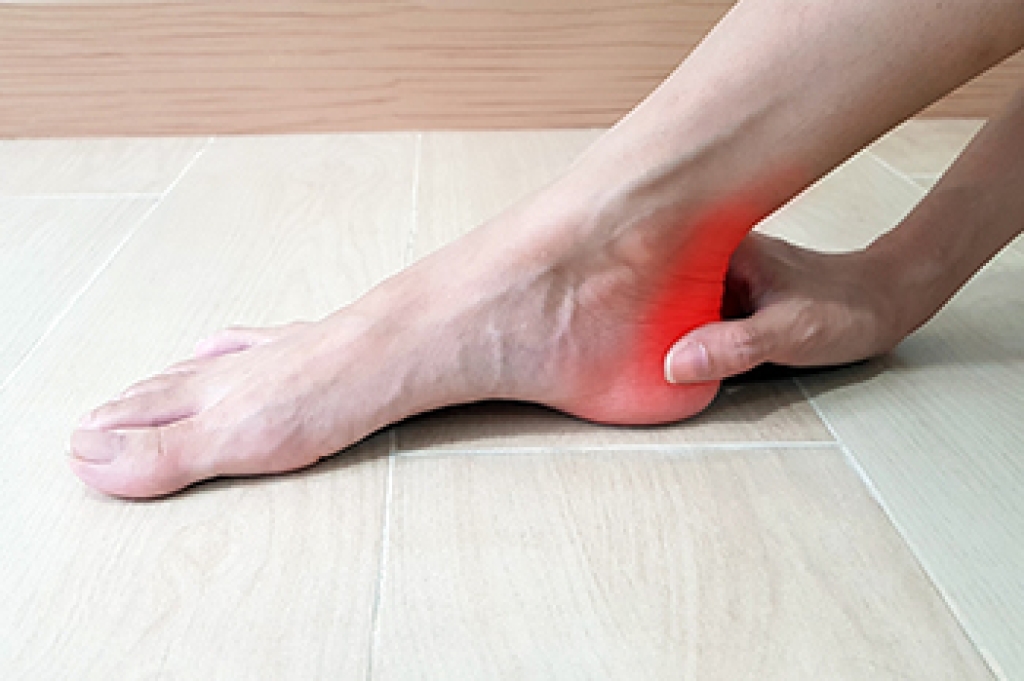
Heel pain is often associated with plantar fasciitis. The plantar fascia is a band of tissues that extends along the bottom of the foot. A rip or tear in this ligament can cause inflammation of the tissue.

Achilles tendonitis is another cause of heel pain. Inflammation of the Achilles tendon will cause pain from fractures and muscle tearing. Lack of flexibility is also another symptom.

Heel spurs are another cause of pain. When the tissues of the plantar fascia undergo a great deal of stress, it can lead to ligament separation from the heel bone, causing heel spurs.

Why Might Heel Pain Occur?

  • Wearing ill-fitting shoes                
  • Wearing non-supportive shoes
  • Weight change           
  • Excessive running

Treatments

Heel pain should be treated as soon as possible for immediate results. Keeping your feet in a stress-free environment will help. If you suffer from Achilles tendonitis or plantar fasciitis, applying ice will reduce the swelling. Stretching before an exercise like running will help the muscles. Using all these tips will help make heel pain a condition of the past.

If you have any questions, please feel free to contact one of our offices located in Bensalem, Philadelphia, Northeast Philadelphia, Yardley, PA, and Hamilton, NJ . We offer the newest diagnostic and treatment technologies for all your foot care needs.

Read more about Heel Pain

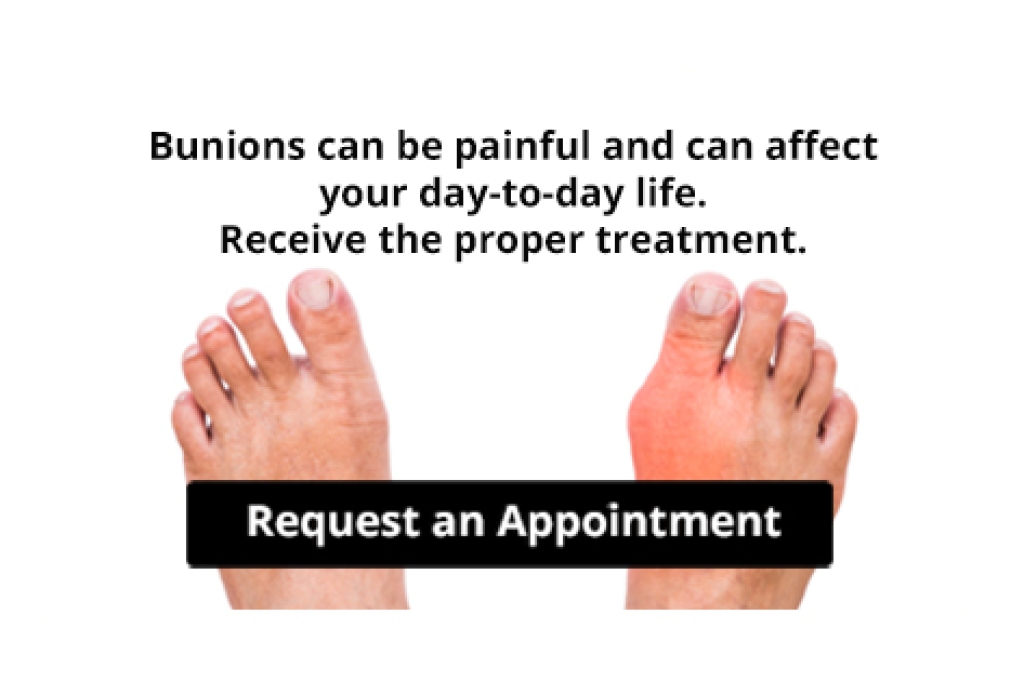
Are Bunions Affecting Your Everyday Life?

Have you noticed a bony protrusion on the side of your big toe? If so, you may have developed the foot condition known as a bunion. Don't let bunions interfere with your daily activities.

Types of Workplace Foot Injuries

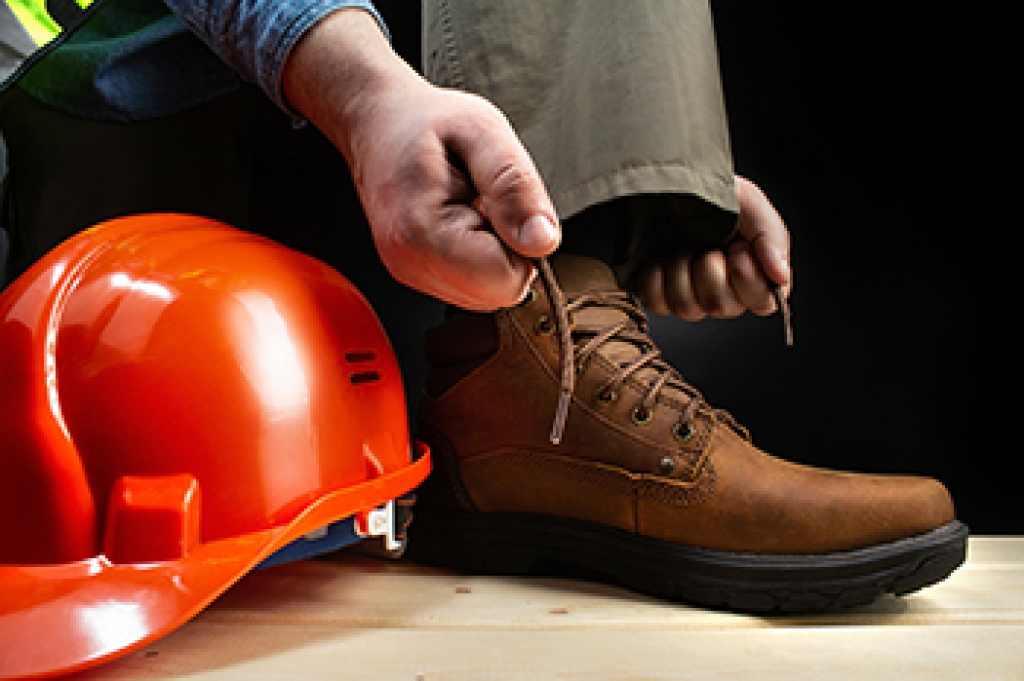
Studies have shown the majority of workplace related injuries that affect the feet are punctures, crushing, sprains, lacerations, slips, trips, and falls. Stepping on nails, shards of glass, or other sharp objects can result in puncture wounds to the feet. These injuries can be particularly dangerous, as they can introduce bacteria into the body, possibly leading to infections. Sharp tools and equipment can cause lacerations to the feet, resulting in bleeding and the risk of infection. Slips and falls can be attributed to wet floors, cluttered walkways, or uneven surfaces. When an employee falls, the feet are often the first point of contact with the ground, making them susceptible to injuries such as fractures, sprains, and bruises. Standing for extended periods of time on hard flooring, combined with wearing ill fitting shoes, can lead to foot fatigue. Fatigue can set employees up for further injuries and decrease their alertness. The main way to avoid many of these types of injuries is by wearing protective footwear appropriate for the type of work environment. If you need help managing foot conditions that result from work related injuries, it is suggested that you consult a podiatrist.

While working on the feet, it is important to take the proper care of them. For more information about working on your feet, contact one of our podiatrists from Pennsylvania Foot & Ankle. Our doctors will treat your foot and ankle needs.

Working on Your Feet

Standing on your feet for long periods of time can cause stress and pain in your feet. Your whole body may experience change in terms of posture, back pain, bunions, callouses and or plantar warts. There are ways to avoid these conditions with proper foot care, smart choices and correct posture.

Positive Changes

Negative heeled shoe – Choosing this shoe type places the heel slightly lower than the ball of the foot. These are great for overall foot health. Find shoes that fit you correctly.

Go barefoot – Our feet were not designed to be enclosed for all hours of the day. Try to periodically expose your feet to air.

Eliminate Pain

Foot Exercises – Performing simple exercises, incorporating yoga and doing stretches are beneficial. This will allow increased blood flow to the area and muscles of the foot.

Achilles tendon – Stretching the foot out flat on the floor will relax the calf muscles and tendon. These exercises can be performed almost anywhere. Make sure you add these exercises to your daily regimen. 

With a little bit of this information and knowing more about foot health, you will notice changes. Foot stretches and proper footwear will help with pain and prevent further issues.

If you have any questions please contact one of our offices located in Bensalem, Philadelphia, Northeast Philadelphia, Yardley, PA, and Hamilton, NJ . We offer the newest diagnostic and treatment technologies for all your foot and ankle needs.

Read more about Working on Your Feet

The Importance of Regular Foot Checks for the Elderly

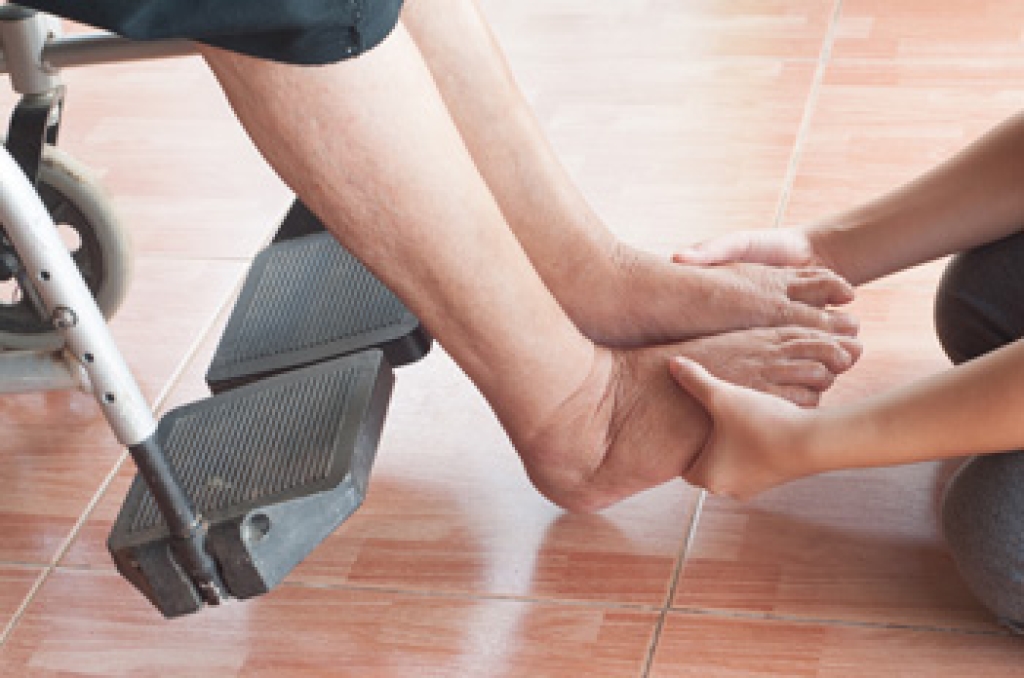
As people age, their feet undergo changes, leading to potential issues like falls, foot ulcers, and discomfort. It is important to evaluate the feet as an essential part of older adults' regular health regimen that can identify and address foot-related concerns. Foot pain and ailments are prevalent among the elderly, necessitating consistent foot maintenance. Some individuals may struggle with basic foot care tasks, such as regular examination, washing, drying, moisturizing the feet, and trimming toenails. Additionally, a routine foot check can identify common issues and help in fall prevention. If you are elderly or taking care of an older person, it is suggested that you make an appointment with a podiatrist to set up a schedule for regular foot examinations and necessary care.

If you need your feet checked, contact one of our podiatrists of Pennsylvania Foot & Ankle. Our doctors will attend to all of your foot and ankle needs and provide you with quality treatment.

Geriatrics and Podiatry
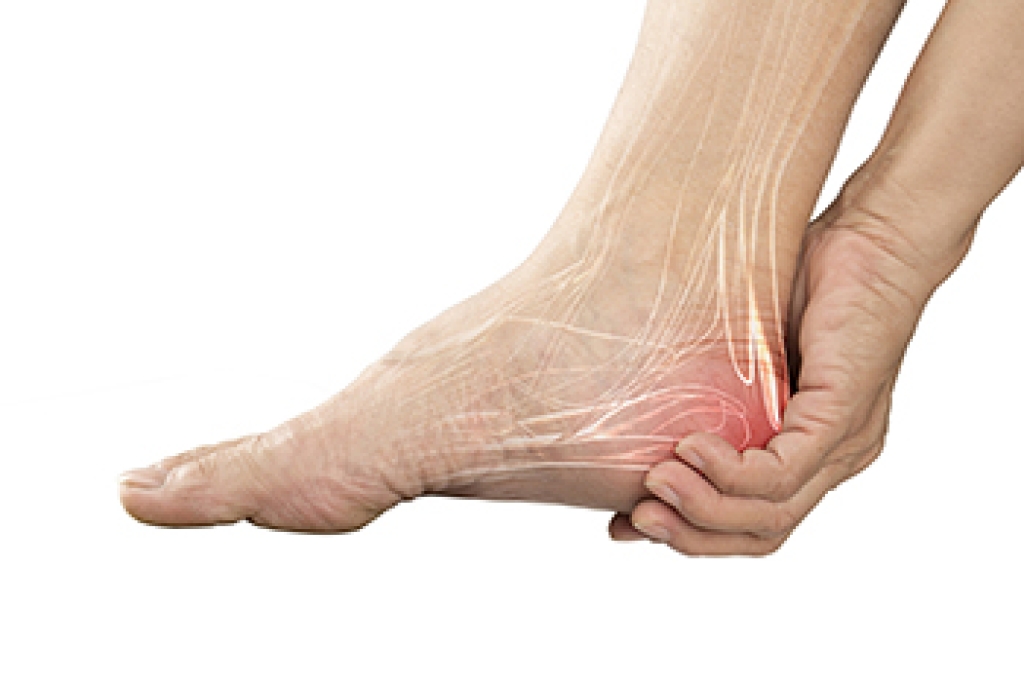
When people age, some common issues that may occur are bone density loss, dry skin, poor circulation, and rough brittle nails. These issues may also affect your foot health if the necessary steps are not taken to alleviate the problems.

It is important to take care of your feet because feet that are injured or diseased can affect your overall health. Having painful feet hinders your ability to do daily activities or may decrease your willingness to do the things that you need to do.

Visiting Your Geriatrician
As we age, health problems become more likely, so it is essential to visit your doctor for check-ups to ensure that you are doing the best you can to take care of your health. It is recommended to check your feet frequently for any possible cuts, bruises, swelling, corns or any other irregularities. 

Taking Care of Elderly Feet
Cracked or dry feet can be treated by applying moisturizer often. It is also important not to wear old socks because the older the sock is, the higher the possibility there will be that there is bacteria there. Wear fresh socks and make sure they fit properly.

Proper foot health means that you can have a more active lifestyle and you will not be bogged down by pain. Foot health also leads to good circulation, which is paramount for overall health.

If you have any questions, please feel free to contact one of our offices located in Bensalem, Philadelphia, Northeast Philadelphia, Yardley, PA, and Hamilton, NJ . We offer the newest diagnostic and treatment technologies for all your foot care needs.
Read more about Geriatrics and Podiatry

A Deeper Look at Adult Heel Fissures

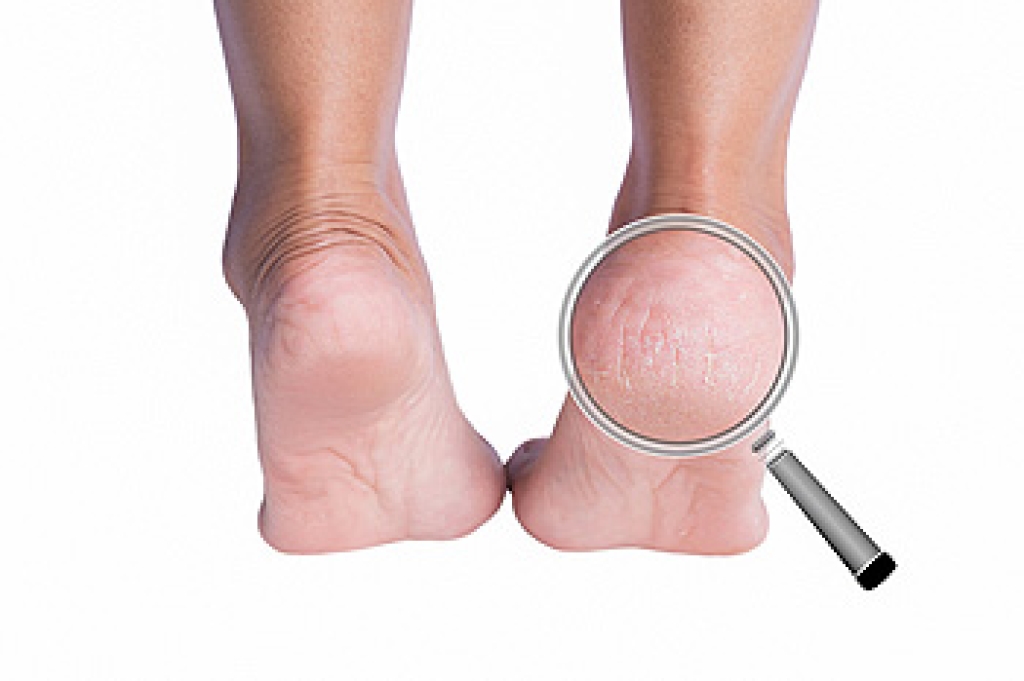
Heel fissures, also known as cracked heels, are a prevalent foot issue among adults, and they can be both painful and unsightly. These fissures appear as dry, flaky skin, and are often accompanied by deep, painful cracks on the heels. Several factors contribute to the development of heel fissures. One of the primary culprits is dry skin, typically caused by environmental conditions, such as low humidity or excessive heat, which can lead to the loss of natural skin moisture. Walking barefoot, particularly on hard surfaces, can also increase the risk of developing heel fissures. Additionally, underlying health conditions, like diabetes or thyroid disorders, can affect skin health, making individuals more susceptible to these conditions. If heel fissures become severe, it is suggested that you consult a podiatrist to rule out underlying health issues, in addition to receiving appropriate treatment options. 

Cracked heels are unsightly and can cause further damage to your shoes and feet. If you have any concerns, contact one of our podiatrists from Pennsylvania Foot & Ankle. Our doctors can provide the care you need to keep you pain-free and on your feet.

Cracked Heels

Cracked heels appear unappealing and can make it harder for you walk around in sandals. Aside from looking unpleasant, cracked heels can also tear stockings, socks, and wear out your shoes. There are several methods to help restore a cracked heel and prevent further damage.

How Do You Get Them?

Dry skin is the number one culprit in creating cracked heels. Many athletes, walkers, joggers, and even swimmers suffer from cracked heels. Age and skin oil production play a role to getting cracked heels as well.

Promote Healing

Over the counter medicines can help, especially for those that need instant relief or who suffer from chronic dry feet.

Wear Socks – Wearing socks with medicated creams helps lock in moisture.

Moisturizers – Applying both day and night will help alleviate dryness which causes cracking.

Pumice Stones – These exfoliate and remove dead skin, which allows for smoother moisturizer application and better absorption into the skin. 

Change in Diet

Eating healthy with a well-balanced diet will give the skin a fresh and radiant look. Your body responds to the kinds of food you ingest. Omega-3 fatty acids and zinc supplements can also revitalize skin tissue.

Most importantly, seek professional help if unsure how to proceed in treating cracked heels. A podiatrist will help you with any questions or information needed. 

If you have any questions, please feel free to contact one of our offices located in Bensalem, Philadelphia, Northeast Philadelphia, Yardley, PA, and Hamilton, NJ . We offer the newest diagnostic and treatment technologies for all your foot care needs.
Read more about Solutions for Cracked Heels

Connect With Us