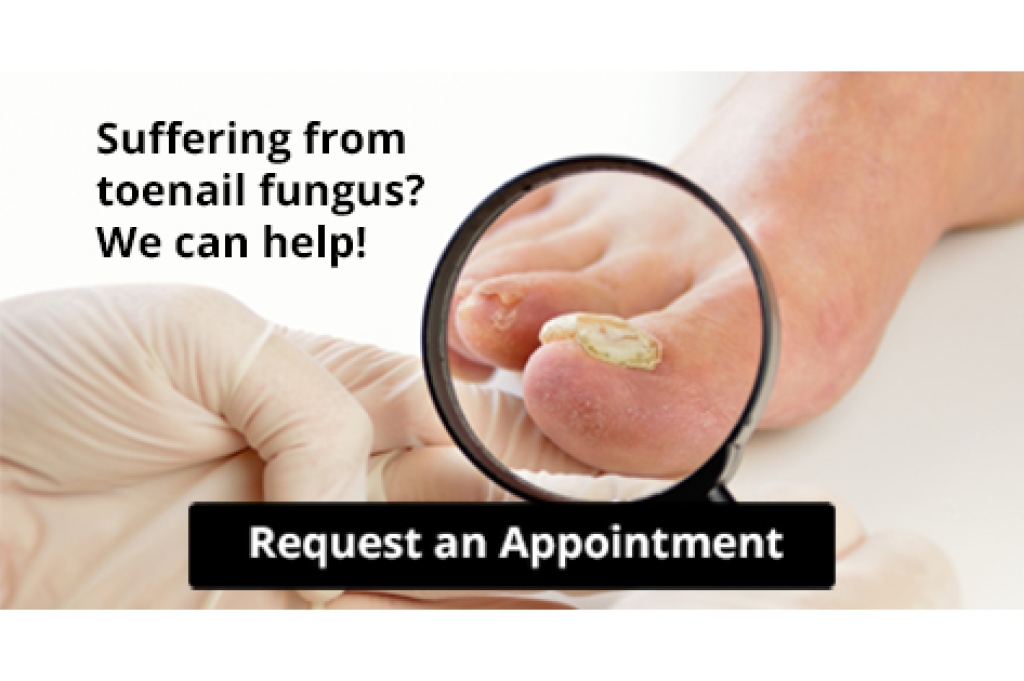
You don't need an excuse to have beautiful nails. Step outside without worrying about the appearance of your feet.
You don't need an excuse to have beautiful nails. Step outside without worrying about the appearance of your feet.
 Athlete’s foot is a fungal infection of the skin on the feet that can cause a scaly, itchy rash to develop between your toes. This infection is contagious and is often contracted by walking barefoot in damp places, such as showers, public swimming pools, and locker rooms, or from sharing personal items with an infected individual. To prevent athlete’s foot, it is recommended that you keep your feet clean and dry, wear clean socks, avoid walking barefoot in public areas, and keep your toenails clean and trimmed. It is also important to refrain from sharing personal items like socks and towels with an infected individual. If you suspect that you may have athlete’s foot, it is suggested that you consult with a podiatrist for treatment.
Athlete’s foot is an inconvenient condition that can be easily reduced with the proper treatment. If you have any concerns about your feet and ankles, contact one of our podiatrists from Pennsylvania Foot & Ankle. Our doctors will treat your foot and ankle needs.
Athlete’s Foot: The Sole Story
Athlete's foot, also known as tinea pedis, can be an extremely contagious foot infection. It is commonly contracted in public changing areas and bathrooms, dormitory style living quarters, around locker rooms and public swimming pools, or anywhere your feet often come into contact with other people.
Solutions to Combat Athlete’s Foot
Athlete’s foot can cause many irritating symptoms such as dry and flaking skin, itching, and redness. Some more severe symptoms can include bleeding and cracked skin, intense itching and burning, and even pain when walking. In the worst cases, Athlete’s foot can cause blistering as well. Speak to your podiatrist for a better understanding of the different causes of Athlete’s foot, as well as help in determining which treatment options are best for you.
If you have any questions please feel free to contact one of our offices located in Bensalem, Philadelphia, Northeast Philadelphia, Yardley, PA, and Hamilton, NJ . We offer the newest diagnostic and treatment technologies for all your foot and ankle needs.
 Hammertoes are a foot deformity in which one or more of the smaller toes are bent at the middle joint, resulting in a hammer-like appearance. In the early stages of this condition, the hammertoes are usually flexible and the patient can move their toe joints. Flexible hammertoes can often be treated without surgery. Changing your footwear, doing toe strengthening exercises, and putting a pad over the joint to stop it from rubbing against the shoes can all help relieve symptoms. Having rigid hammertoes means that the toe joints are no longer movable. This can be treated conservatively through footwear modifications and custom orthotics, or surgically. For more information about hammertoes, please consult with a podiatrist.
Hammertoe
Hammertoes can be a painful condition to live with. For more information, contact one of our podiatrists from Pennsylvania Foot & Ankle. Our doctors will answer any of your foot- and ankle-related questions.
Hammertoe is a foot deformity that affects the joints of the second, third, fourth, or fifth toes of your feet. It is a painful foot condition in which these toes curl and arch up, which can often lead to pain when wearing footwear.
Symptoms
Causes
Genetics – People who are genetically predisposed to hammertoe are often more susceptible
Arthritis – Because arthritis affects the joints in your toes, further deformities stemming from arthritis can occur
Trauma – Direct trauma to the toes could potentially lead to hammertoe
Ill-fitting shoes – Undue pressure on the front of the toes from ill-fitting shoes can potentially lead to the development of hammertoe
Treatment
Orthotics – Custom made inserts can be used to help relieve pressure placed on the toes and therefore relieve some of the pain associated with it
Medications – Oral medications such as anti-inflammatories or NSAIDs could be used to treat the pain and inflammation hammertoes causes. Injections of corticosteroids are also sometimes used
Surgery – In more severe cases where the hammertoes have become more rigid, foot surgery is a potential option
If you have any questions, please feel free to contact one of our offices located in Bensalem, Philadelphia, Northeast Philadelphia, Yardley, PA, and Hamilton, NJ . We offer the newest diagnostic and treatment technologies for all your foot care needs.
 Many patients choose to wear orthotics in their shoes. Orthotics are insoles that are made of rubber, leather, or synthetic materials, and are designed to balance the structure of the foot. Certain types of orthotics can help to control pain that can come from having flat feet or high arches. It is also helpful to wear shoes that cushion your feet and fit correctly. If you have foot pain, and think orthotics may help you, it is strongly recommended that you consult with a podiatrist who can determine if this is the right decision for you.
If you are having discomfort in your feet and would like to try orthotics, contact one of our podiatrists from Pennsylvania Foot & Ankle. Our doctors can provide the care you need to keep you pain-free and on your feet.
What Are Orthotics?
Orthotics are inserts you can place into your shoes to help with a variety of foot problems such as flat feet or foot pain. Orthotics provide relief and comfort for minor foot and heel pain but can’t correct serious biomechanical problems in your feet.
Over-the-Counter Inserts
Orthotics come in a wide variety of over-the-counter inserts that are used to treat foot pain, heel pain, and minor problems. For example, arch supports can be inserted into your shoes to help correct overarched or flat feet, while gel insoles are often used because they provide comfort and relief from foot and heel pain by alleviating pressure.
Prescription Orthotics
If over-the-counter inserts don’t work for you or if you have a more severe foot concern, it is possible to have your podiatrist prescribe custom orthotics. These high-quality inserts are designed to treat problems such as abnormal motion, plantar fasciitis, and severe forms of heel pain. They can even be used to help patients suffering from diabetes by treating foot ulcers and painful calluses and are usually molded to your feet individually, which allows them to provide full support and comfort.
If you are experiencing minor to severe foot or heel pain, it’s recommended to speak with your podiatrist about the possibilities of using orthotics. A podiatrist can determine which type of orthotic is right for you and allow you to take the first steps towards being pain-free.
If you have any questions, please feel free to contact one of our offices located in Bensalem, Philadelphia, Northeast Philadelphia, Yardley, PA, and Hamilton, NJ . We offer the newest diagnostic and treatment technologies for all your foot care needs.
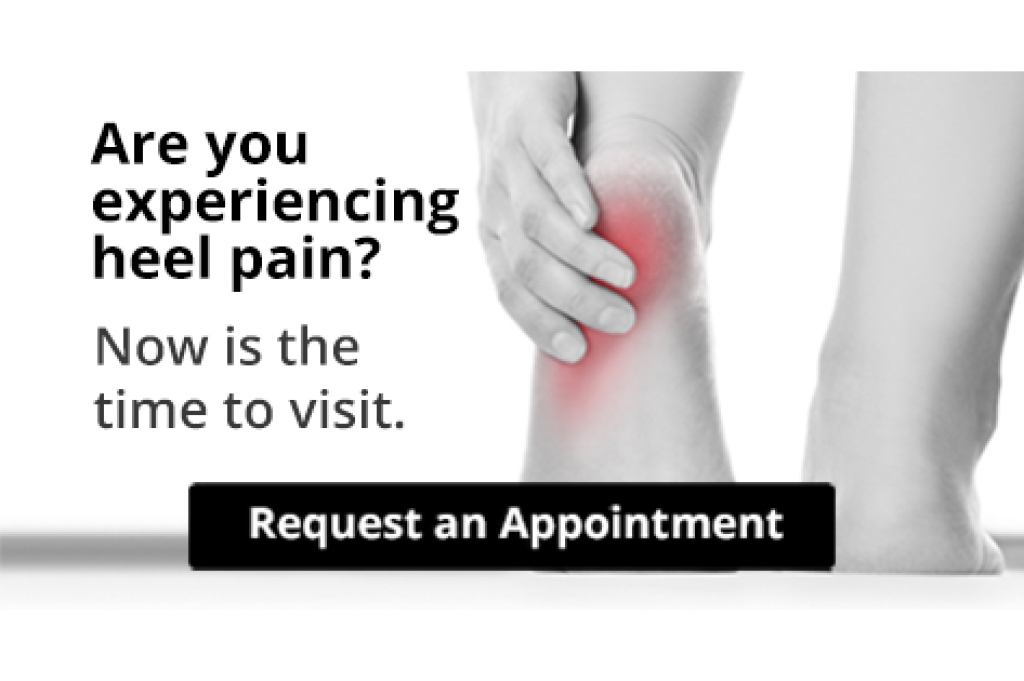
Do you suffer from heel pain when you get up in the morning? If so, you should seek professional help and have a proper diagnosis performed. Heel pain can be caused by several different foot-related conditions.
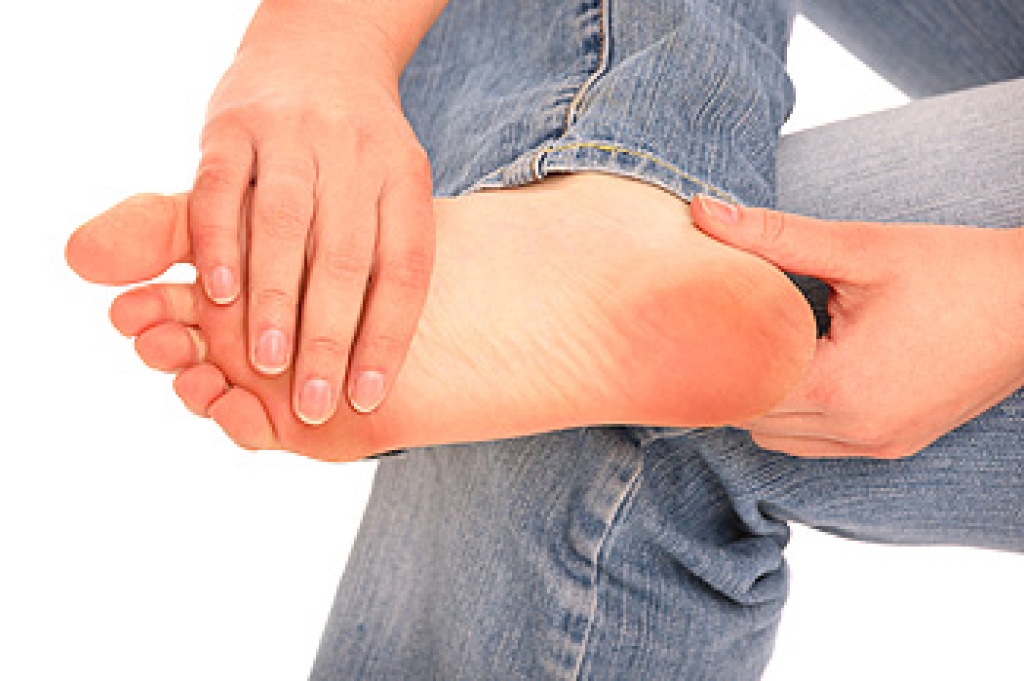
Morton’s neuroma is a condition in which a nerve between your toes becomes irritated or thickened. This can cause symptoms such as stabbing, shooting, or burning pains in the front of the foot. Tingling, numbness, and a sensation akin to a small pebble being stuck under your foot may be experienced as well. If you have Morton’s neuroma, certain modifications can help reduce your symptoms. These can include wearing wide, comfortable shoes with a low heel, reducing activities like running, which may exacerbate the pain, and losing weight to reduce the amount of pressure put on the foot. Taking over-the-counter anti-inflammatory drugs and wearing orthotic inserts may also help relieve pain. If you are experiencing the symptoms of Morton’s neuroma, it is suggested that you consult with a podiatrist.
Morton’s neuroma is a very uncomfortable condition to live with. If you think you have Morton’s neuroma, contact one of our podiatrists of Pennsylvania Foot & Ankle. Our doctors will attend to all of your foot care needs and answer any of your related questions.
Morton’s Neuroma
Morton's neuroma is a painful foot condition that commonly affects the areas between the second and third or third and fourth toe, although other areas of the foot are also susceptible. Morton’s neuroma is caused by an inflamed nerve in the foot that is being squeezed and aggravated by surrounding bones.
What Increases the Chances of Having Morton’s Neuroma?
Morton’s neuroma is a very treatable condition. Orthotics and shoe inserts can often be used to alleviate the pain on the forefront of the feet. In more severe cases, corticosteroids can also be prescribed. In order to figure out the best treatment for your neuroma, it’s recommended to seek the care of a podiatrist who can diagnose your condition and provide different treatment options.
If you have any questions, please feel free to contact one of our offices located in Bensalem, Philadelphia, Northeast Philadelphia, Yardley, PA, and Hamilton, NJ . We offer the newest diagnostic and treatment technologies for all your foot care needs.
 Plantar fasciitis is a common foot condition in which the plantar fascia, the ligament that runs along the bottom of the foot and connects the heel bone to the toes, becomes inflamed. This leads to heel pain that tends to be at its worst in the morning and immediately after exercising. If you have plantar fasciitis, there are multiple treatment options. It is recommended that you rest the affected foot as much as possible to give it time to heal and to prevent further damage. Applying ice to the foot or taking an over-the-counter pain medication can reduce inflammation and pain. Wearing shoes that fit your feet properly and are supportive, wearing orthotic inserts in your shoes, and stretching the feet regularly can improve symptoms and decrease your likelihood of developing plantar fasciitis in the future. If you think that you are suffering from plantar fasciitis, it is recommended that you see a podiatrist for a proper diagnosis.
Plantar fasciitis can be very painful and inconvenient. If you are experiencing heel pain or symptoms of plantar fasciitis, contact one of our podiatrists from Pennsylvania Foot & Ankle. Our doctors can provide the care you need to keep you pain-free and on your feet.
What Is Plantar Fasciitis?
Plantar fasciitis is the inflammation of the thick band of tissue that runs along the bottom of your foot, known as the plantar fascia, and causes mild to severe heel pain.
What Causes Plantar Fasciitis?
How Can It Be Treated?
While very treatable, plantar fasciitis is definitely not something that should be ignored. Especially in severe cases, speaking to your doctor right away is highly recommended to avoid complications and severe heel pain. Your podiatrist can work with you to provide the appropriate treatment options tailored to your condition.
If you have any questions, please feel free to contact one of our offices located in Bensalem, Philadelphia, Northeast Philadelphia, Yardley, PA, and Hamilton, NJ . We offer the newest diagnostic and treatment technologies for all your foot care needs.

An overuse injury can involve damage to bones, muscles, tendons, or ligaments that is caused by repetitive stress on the affected structure over time. The feet and ankles are a frequent site of overuse injuries. Examples of overuse injuries include stress fractures, plantar fasciitis, and Achilles tendonitis. These injuries are common among athletes and can be classified into four different stages based on how they affect you. In stage one, you may feel pain in the affected area after physical activity. In stage two, pain is felt in the affected area during the activity, but does not restrict your performance. In stage three, the pain does begin to affect your performance. At stage four, you may experience chronic pain in the affected area. Intervention is recommended at stage two. If you think that you may have an overuse injury in your feet or ankles, it is strongly suggested that you see a podiatrist.
Sports related foot and ankle injuries require proper treatment before players can go back to their regular routines. For more information, contact one of our podiatrists of Pennsylvania Foot & Ankle. Our doctors can provide the care you need to keep you pain-free and on your feet.
Sports Related Foot and Ankle Injuries
Foot and ankle injuries are a common occurrence when it comes to athletes of any sport. While many athletes dismiss the initial aches and pains, the truth is that ignoring potential foot and ankle injuries can lead to serious problems. As athletes continue to place pressure and strain the area further, a mild injury can turn into something as serious as a rupture and may lead to a permanent disability. There are many factors that contribute to sports related foot and ankle injuries, which include failure to warm up properly, not providing support or wearing bad footwear. Common injuries and conditions athletes face, including:
Sports related injuries are commonly treated using the RICE method. This includes rest, applying ice to the injured area, compression and elevating the ankle. More serious sprains and injuries may require surgery, which could include arthroscopic and reconstructive surgery. Rehabilitation and therapy may also be required in order to get any recovering athlete to become fully functional again. Any unusual aches and pains an athlete sustains must be evaluated by a licensed, reputable medical professional.
If you have any questions please contact one of our offices located in Bensalem, Philadelphia, Northeast Philadelphia, Yardley, PA, and Hamilton, NJ . We offer the newest diagnostic and treatment technologies for all your foot and ankle needs.
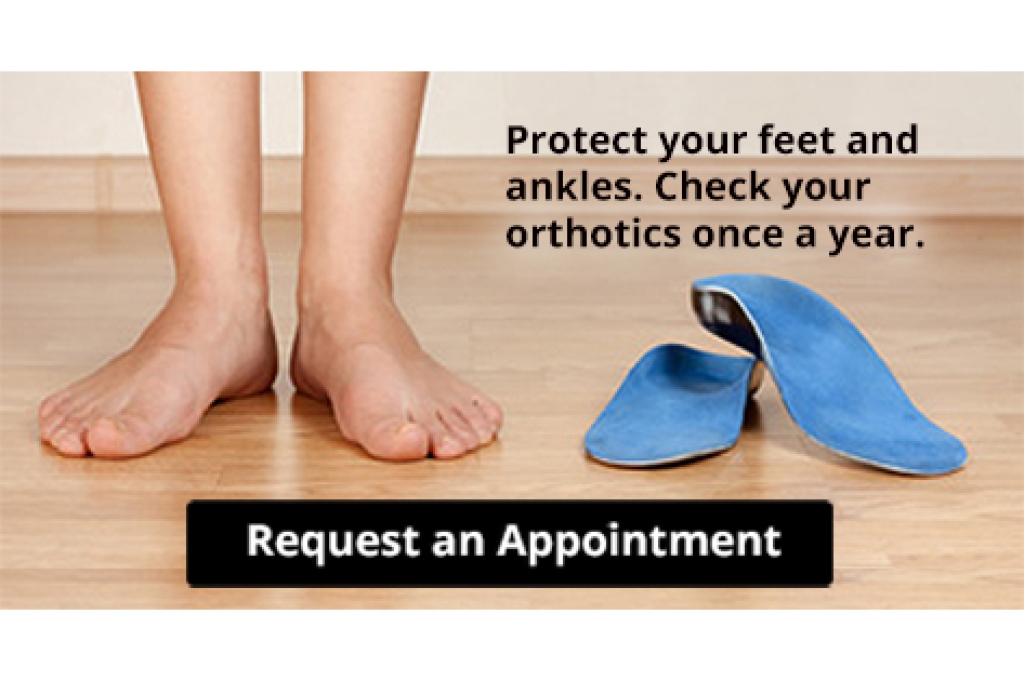
Custom orthotics, or shoe inserts, should be periodically replaced. Orthotics must fit properly to give you the best results. Protect your feet and ankles!
 Foot and ankle health is important to runners, both those who run recreationally and those who run professionally. Runners are susceptible to a variety of overuse injuries, including pain in the heel, pain in the ball of the foot, stress fractures or Achilles tendon problems. Heel pain is most commonly associated with plantar fasciitis, which is the inflammation of the tendon that connects the heel bone to the ball of the foot. Pain in the ball of the foot can indicate a neuroma, a pinched nerve between the toes, or inflammation in the ball of the foot. Achilles tendon pain can indicate Achilles tendonitis, and rest will be necessary. Stress fractures, which occur as tiny breaks in the bones, can lead to swelling and pain, and they will need to be rested as well. If you are a frequent runner and are experiencing pain in the feet or ankles, make sure to consult with a podiatrist for proper diagnosis and treatment.
Exercising your feet regularly with the proper foot wear is a great way to prevent injuries. If you have any concerns about your feet, contact one of our podiatrists of Pennsylvania Foot & Ankle. Our doctors will treat your foot and ankle needs.
How to Prevent Running Injuries
Many common running injuries are caused by overuse and overtraining. When the back of the kneecap starts wearing out and starts causing pain in your knee, this is commonly referred to as runner’s knee. Runner’s knee is a decrease in strength in your quadriceps and can occur if you’re not wearing properly fitted or supporting shoes. To prevent runner’s knee, focusing on hip strengthening is a good idea, as well as strengthening your quads to keep the kneecaps aligned.
What Are Some Causes of Running Injuries?
- One cause of a common running injury is called iliotibial band syndrome.
- Plantar fasciitis is also another common injury.
- Stress fractures can occur from overtraining, lack of calcium, or even your running style.
Best Ways to Prevent Running Injuries
- Wear footwear that fits properly and suits your running needs.
- Running shoes are the only protective gear that runners have to safeguard them from injury.
- Make a training schedule. Adding strengthening exercises as well as regular stretching can help keep you strong and limber and can lessen the possibility of injuries.
- Stretching keeps muscles limber; this will help you gain better flexibility.
If you have any questions, please feel free to contact one of our offices located in Bensalem, Philadelphia, Northeast Philadelphia, Yardley, PA, and Hamilton, NJ . We offer the newest diagnostic and treatment technologies for all your foot care needs.
Connect With Us
