Where Are the Sesamoid Bones?

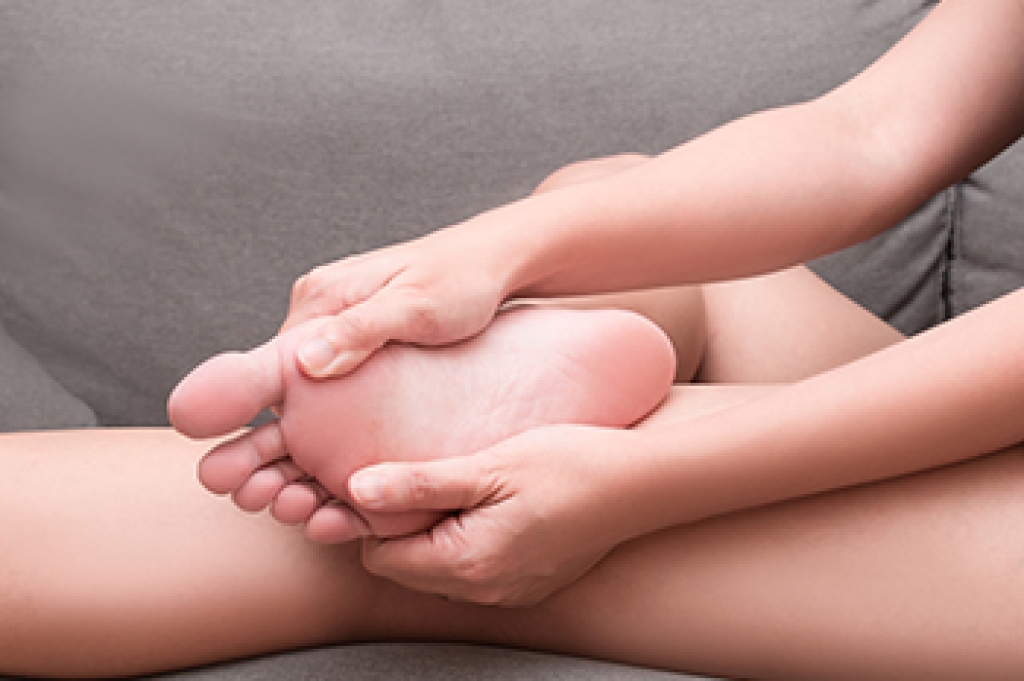
Sesamoiditis is an inflammation of the sesamoid bones. They are located in the ball of the foot and the pain is often found under the joint of the big toe. Their function is to push off while walking or running and can become inflamed if an injury occurs. Treatment often begins with resting and elevating the affected foot. Engaging in low-impact exercises such as swimming or cycling may help to accelerate the healing process. Wearing shoes that have a lower heel may relieve some of the pain as well as taping the big toe. In severe cases, a cast shoe may be recommended to wear as they are made of plastic or wooden soles which can be beneficial in keeping the toes straight while walking. The average recovery time for sesamoiditis may be up to six weeks and normal activities can be resumed when everyday shoes are worn without pain. If you experience any foot pain, it is advised that you consult a podiatrist who can properly diagnose and treat this ailment. 

Sesamoiditis is an unpleasant foot condition characterized by pain in the balls of the feet. If you think you’re struggling with sesamoiditis, contact one of our podiatrists of Pennsylvania Foot & Ankle. Our doctors will treat your condition thoroughly and effectively.

Sesamoiditis

Sesamoiditis is a condition of the foot that affects the ball of the foot. It is more common in younger people than it is in older people. It can also occur with people who have begun a new exercise program, since their bodies are adjusting to the new physical regimen. Pain may also be caused by the inflammation of tendons surrounding the bones. It is important to seek treatment in its early stages because if you ignore the pain, this condition can lead to more serious problems such as severe irritation and bone fractures.

Causes of Sesamoiditis

  • Sudden increase in activity
  • Increase in physically strenuous movement without a proper warm up or build up
  • Foot structure: those who have smaller, bonier feet or those with a high arch may be more susceptible

Treatment for sesamoiditis is non-invasive and simple. Doctors may recommend a strict rest period where the patient forgoes most physical activity. This will help give the patient time to heal their feet through limited activity. For serious cases, it is best to speak with your doctor to determine a treatment option that will help your specific needs.

If you have any questions, please feel free to contact one of our offices located in Bensalem, Philadelphia, Northeast Philadelphia, Yardley, PA, and Hamilton, NJ . We offer the newest diagnostic and treatment technologies for all your foot care needs.

Read more about Sesamoiditis

Stop Running Temporarily With Plantar Fasciitis

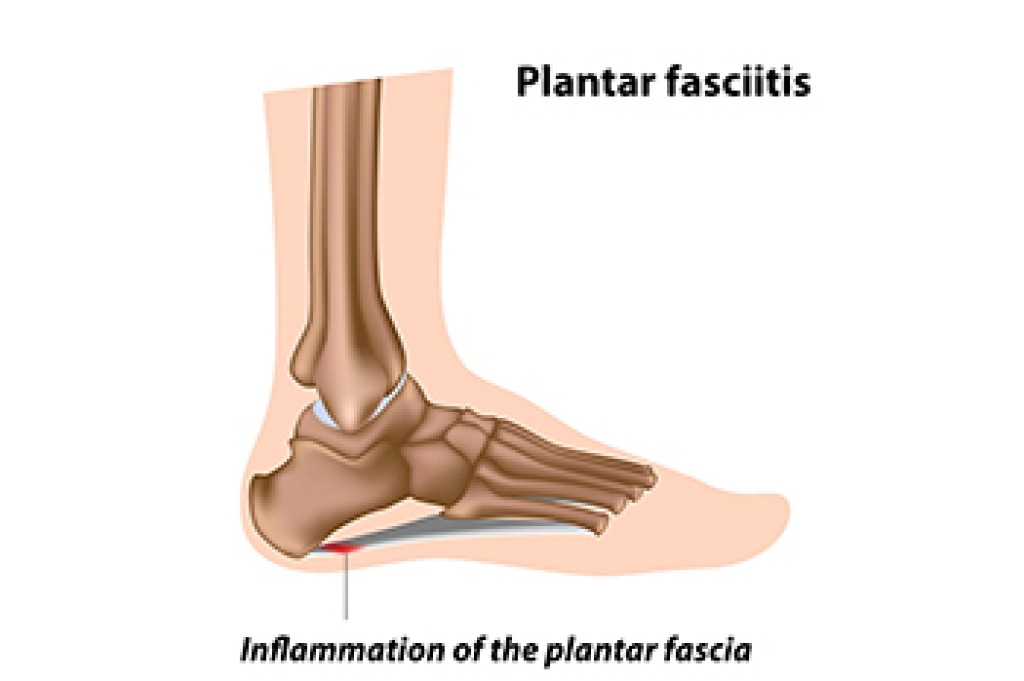
Plantar fasciitis is a common injury that can affect the ability to walk, run, and participate in jumping activities. It is a condition that affects the plantar fascia which runs along the sole of the foot. Its function is to connect the toes to the heels, and tears that occur can result in plantar fasciitis. Gradual discomfort eventually progresses to severe pain, and prompt medical treatment is often sought to manage the pain. People that enjoy running and who develop plantar fasciitis often need to limit the number of times they run per week, and this may help to accelerate the healing process. Many patients notice the heel pain is worse in the morning after arising, and performing specific stretches may help to find mild relief. An effective stretch is done by standing on a step, and lowering one heel at a time until a gentle stretch is felt. It is suggested that you consult with a podiatrist at the first hint of heel pain who can properly diagnose and offer correct treatment options.

Plantar fasciitis is a common foot condition that is often caused by a strain injury. If you are experiencing heel pain or symptoms of plantar fasciitis, contact one of our podiatrists from Pennsylvania Foot & Ankle. Our doctors can provide the care you need to keep you pain-free and on your feet.

What Is Plantar Fasciitis?

Plantar fasciitis is one of the most common causes of heel pain. The plantar fascia is a ligament that connects your heel to the front of your foot. When this ligament becomes inflamed, plantar fasciitis is the result. If you have plantar fasciitis you will have a stabbing pain that usually occurs with your first steps in the morning. As the day progresses and you walk around more, this pain will start to disappear, but it will return after long periods of standing or sitting.

What Causes Plantar Fasciitis?

  • Excessive running
  • Having high arches in your feet
  • Other foot issues such as flat feet
  • Pregnancy (due to the sudden weight gain)
  • Being on your feet very often

There are some risk factors that may make you more likely to develop plantar fasciitis compared to others. The condition most commonly affects adults between the ages of 40 and 60. It also tends to affect people who are obese because the extra pounds result in extra stress being placed on the plantar fascia.

Prevention

  • Take good care of your feet – Wear shoes that have good arch support and heel cushioning.
  • Maintain a healthy weight
  • If you are a runner, alternate running with other sports that won’t cause heel pain

There are a variety of treatment options available for plantar fasciitis along with the pain that accompanies it. Additionally, physical therapy is a very important component in the treatment process. It is important that you meet with your podiatrist to determine which treatment option is best for you.

If you have any questions, please feel free to contact one of our offices located in Bensalem, Philadelphia, Northeast Philadelphia, Yardley, PA, and Hamilton, NJ . We offer the newest diagnostic and treatment technologies for all your foot care needs.
 

Read more about Plantar Fasciitis

Plantar Warts Can Be Treated!

Plantar warts are small growths that develop on parts of the feet that bear weight. They're typically found on the bottom of the foot. Don't live with plantar warts, and call us today!

Specific Foot Conditions May Benefit From Wearing Orthotics

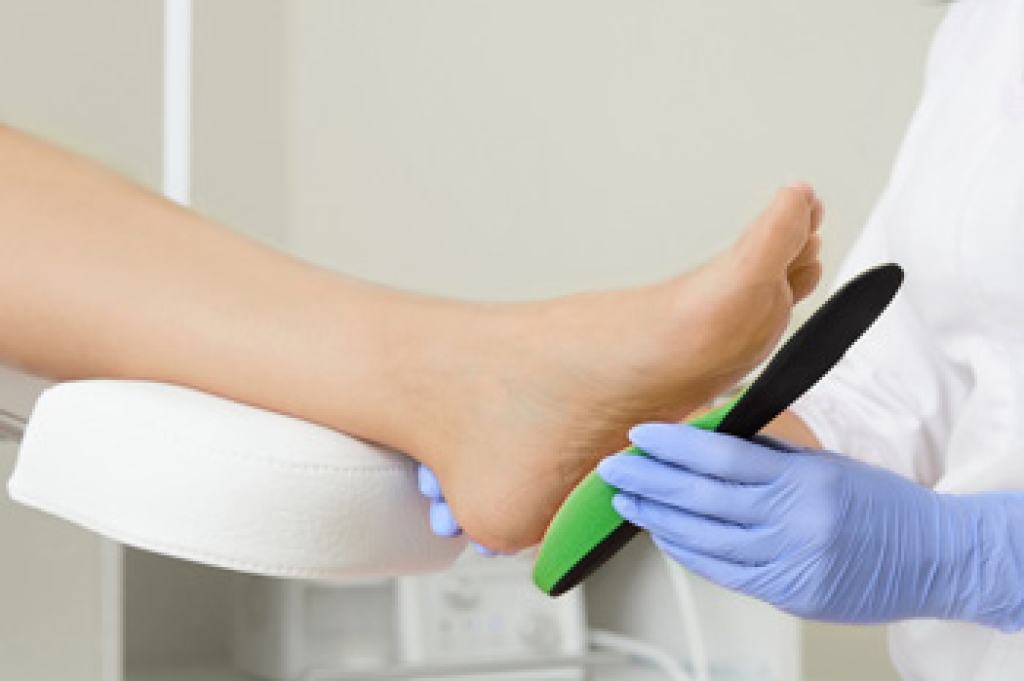
Plantar fasciitis is a common running injury that can cause severe pain and discomfort in the heel and arch areas.  Wearing orthotics may be a viable option that can help to reduce this kind of foot pain. Orthotics are insoles that are worn inside the shoeand are made of materials that can enhance and possibly restore natural foot function. Orthotics are often custom-made. This is done by having the patient's feet put into molds that will determine what the exact width and length need to be when they are constructed. They are made to fit the foot structure and can adapt to the walking style. They retain their shape, and can provide correct arch support that each patient needs. Additionally, there are other foot conditions that may benefit from wearing orthotics, and it is suggested that you seek the counsel of a podiatrist who can determine if orthotics are right for you.

If you are having discomfort in your feet and would like to try orthotics, contact one of our podiatrists from Pennsylvania Foot & Ankle. Our doctors can provide the care you need to keep you pain-free and on your feet.

What Are Orthotics?

Orthotics are inserts you can place into your shoes to help with a variety of foot problems such as flat feet or foot pain. Orthotics provide relief and comfort for minor foot and heel pain but can’t correct serious biomechanical problems in your feet.

Over-the-Counter Inserts

Orthotics come in a wide variety of over-the-counter inserts that are used to treat foot pain, heel pain, and minor problems. For example, arch supports can be inserted into your shoes to help correct overarched or flat feet, while gel insoles are often used because they provide comfort and relief from foot and heel pain by alleviating pressure.

Prescription Orthotics

If over-the-counter inserts don’t work for you or if you have a more severe foot concern, it is possible to have your podiatrist prescribe custom orthotics. These high-quality inserts are designed to treat problems such as abnormal motion, plantar fasciitis, and severe forms of heel pain. They can even be used to help patients suffering from diabetes by treating foot ulcers and painful calluses and are usually molded to your feet individually, which allows them to provide full support and comfort.

If you are experiencing minor to severe foot or heel pain, it’s recommended to speak with your podiatrist about the possibilities of using orthotics. A podiatrist can determine which type of orthotic is right for you and allow you to take the first steps towards being pain-free.

If you have any questions, please feel free to contact one of our offices located in Bensalem, Philadelphia, Northeast Philadelphia, Yardley, PA, and Hamilton, NJ . We offer the newest diagnostic and treatment technologies for all your foot care needs.
Read more about Foot Orthotics

Ways Seniors Can Prevent Falling

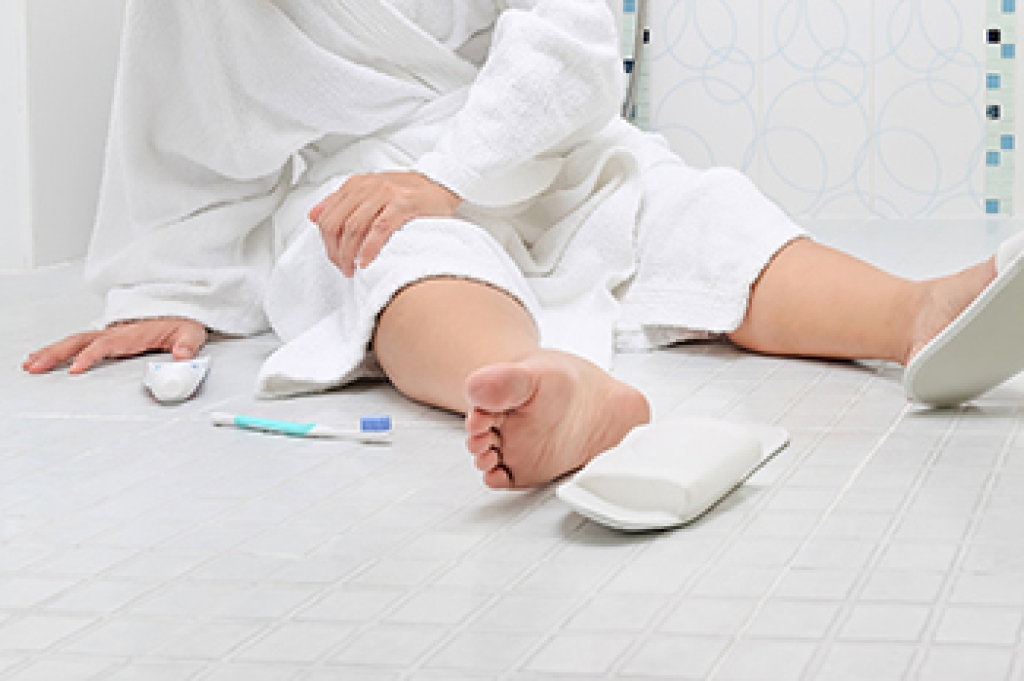
Preventing a fall is paramount for seniors, and luckily experts can recommend a number of ways to do just that. Fall-proofing the home environment is first on the list. Start by decluttering floors and narrow hallways, and choose chairs that are stable. Avoid sitting on low chairs, sofas, folding chairs, and chairs on wheels that may affect your balance. Install nightlights in hallways and lamps beside your bed, as well as adding grab bars in tub and shower areas. Remove throw rugs or loose carpeting. Other fall prevention tips include wearing shoes with non-skid soles, avoiding loose clothing that may get caught on something, and going barefoot or wearing just socks when walking in the house. Further, it’s a good idea to review medications for side-effects, such as dizziness or drowsiness, that may contribute to a fall. Having eyeglasses prescriptions updated is recommended. If you have neuropathy, arthritis, or any other foot and ankle conditions that affect your stability when standing or walking, please visit a podiatrist for information on walking aids or devices that may help.

Preventing falls among the elderly is very important. If you are older and have fallen or fear that you are prone to falling, consult with one of our podiatrists from Pennsylvania Foot & Ankle. Our doctors will assess your condition and provide you with quality advice and care.

Every 11 seconds, an elderly American is being treated in an emergency room for a fall related injury. Falls are the leading cause of head and hip injuries for those 65 and older. Due to decreases in strength, balance, senses, and lack of awareness, elderly persons are very susceptible to falling. Thankfully, there are a number of things older persons can do to prevent falls.

How to Prevent Falls

Some effective methods that older persons can do to prevent falls include:

  • Enrolling in strength and balance exercise program to increase balance and strength
  • Periodically having your sight and hearing checked
  • Discuss any medications you have with a doctor to see if it increases the risk of falling
  • Clearing the house of falling hazards and installing devices like grab bars and railings
  • Utilizing a walker or cane
  • Wearing shoes that provide good support and cushioning
  • Talking to family members about falling and increasing awareness

Falling can be a traumatic and embarrassing experience for elderly persons; this can make them less willing to leave the house, and less willing to talk to someone about their fears of falling. Doing such things, however, will increase the likelihood of tripping or losing one’s balance. Knowing the causes of falling and how to prevent them is the best way to mitigate the risk of serious injury.  

If you have any questions, please feel free to contact one of our offices located in Bensalem, Philadelphia, Northeast Philadelphia, Yardley, PA, and Hamilton, NJ . We offer the newest diagnostic and treatment technologies for all your foot care needs.
Read more about Falls Prevention

Causes of Tarsal Tunnel Syndrome

The tarsal tunnel is a structure within the foot that runs along the ankle bones and protects the posterior tibial nerve. When this nerve becomes squeezed and exposed to pressure, a condition known as tarsal tunnel syndrome (TTS) can develop where the nerve is compressed within a small space. Activities that can cause the tibial nerve to become compressed include spraining one’s ankle because such an injury can sometimes produce swelling around the nerve. Certain types of diseases, like diabetes, can sometimes cause TTS because diabetics can experience swelling of the feet, which may put pressure on the tibial nerve. Additionally, the presence of abnormally sized structures within the tarsal tunnel can also cause TTS. For example, large veins, cysts, bone spurs, or swollen tendons can put pressure on the tibial nerve. If you believe that you have TTS, contact a podiatrist today to schedule an appointment.

Tarsal tunnel syndrome can be very uncomfortable to live with. If you are experiencing tarsal tunnel syndrome, contact one of our podiatrists of Pennsylvania Foot & Ankle. Our doctors can provide the care you need to keep you pain-free and on your feet.

Tarsal Tunnel Syndrome

Tarsal tunnel syndrome, which can also be called tibial nerve dysfunction, is an uncommon condition of misfiring peripheral nerves in the foot. The tibial nerve is the peripheral nerve in the leg responsible for sensation and movement of the foot and calf muscles. In tarsal tunnel syndrome, the tibial nerve is damaged, causing problems with movement and feeling in the foot of the affected leg.

Common Cause of Tarsal Tunnel Syndrome

  • Involves pressure or an injury, direct pressure on the tibial nerve for an extended period of time, sometimes caused by other body structures close by or near the knee.
  • Diseases that damage nerves, including diabetes, may cause tarsal tunnel syndrome.
  • At times, tarsal tunnel syndrome can appear without an obvious cause in some cases.

The Effects of Tarsal Tunnel Syndrome

  • Different sensations, an afflicted person may experience pain, tingling, burning or other unusual sensations in the foot of the affected leg.
  • The foot muscles, toes and ankle become weaker, and curling your toes or flexing your foot can become difficult.
  • If condition worsens, infections and ulcers may develop on the foot that is experiencing the syndrome.

A physical exam of the leg can help identify the presence of tarsal tunnel syndrome. Medical tests, such as a nerve biopsy, are also used to diagnose the condition. Patients may receive physical therapy and prescriptive medication. In extreme cases, some may require surgery.

If you have any questions please contact one of our offices located in Bensalem, Philadelphia, Northeast Philadelphia, Yardley, PA, and Hamilton, NJ . We offer the newest diagnostic and treatment technologies for all your foot and ankle needs.

Read more about Treating Tarsal Tunnel Syndrome

Causes and Prevention of Friction Blisters

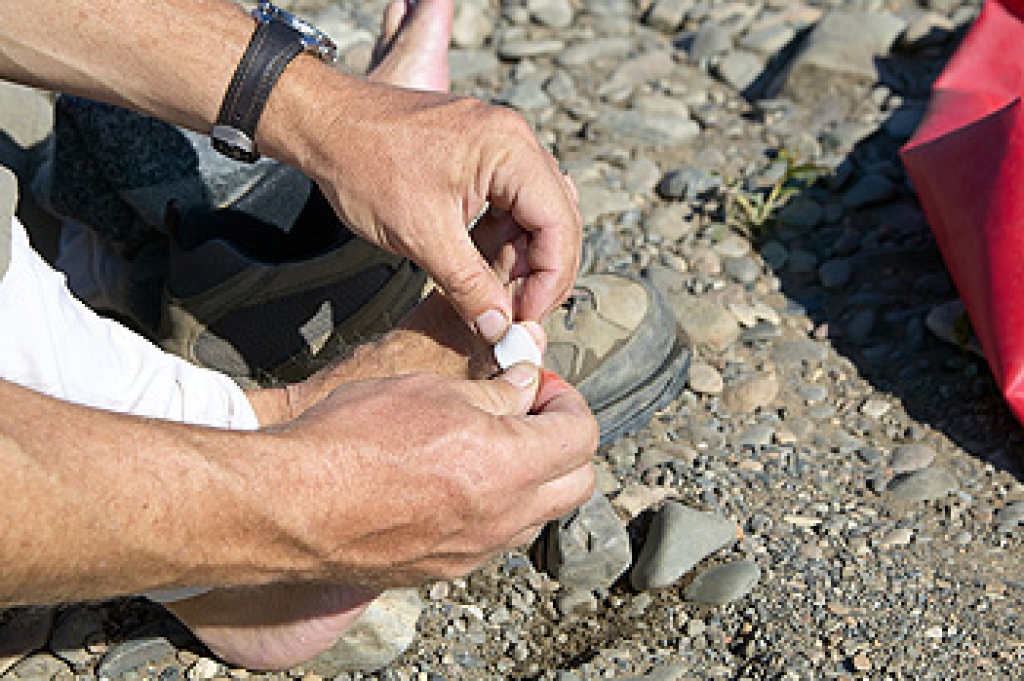
There are many causes of blisters but the most common is friction. The formation of a friction blister is the body’s way of protecting the layers of skin. They often appear on your feet after walking or running for long periods. If the feet are warm or damp, the risk of a blister developing increases. The friction on the outer layer of skin on the toe or heel against the inside of a shoe can cause the blister to tear. This causes a plasma-like fluid to leak and fill the gap. The fluid encourages new skin cells to develop as well as form a new covering. Eventually, a new top skin layer forms and the blister subsides. But that sequence of events is largely dependent upon stopping the activity that caused the friction and replacing the shoes too. Putting on protective bandages can help to eliminate pain. If you have a blister that has become extremely painful or possibly infected, it is wise to visit a podiatrist for proper treatment.

Blisters may appear as a single bubble or in a cluster. They can cause a lot of pain and may be filled with pus, blood, or watery serum. If your feet are hurting, contact one of our podiatrists of Pennsylvania Foot & Ankle. Our doctors can provide the care you need to keep you pain-free and on your feet.

Foot Blisters

Foot blisters are often the result of friction. This happens due to the constant rubbing from shoes, which can lead to pain.

What Are Foot Blisters?

A foot blister is a small fluid-filled pocket that forms on the upper-most layer of the skin. Blisters are filled with clear fluid and can lead to blood drainage or pus if the area becomes infected.

Symptoms

(Blister symptoms may vary depending on what is causing them)

  • Bubble of skin filled with fluid
  • Redness
  • Moderate to severe pain
  • Itching

Prevention & Treatment

In order to prevent blisters, you should be sure to wear comfortable shoes with socks that cushion your feet and absorb sweat. Breaking a blister open may increase your chances of developing an infection. However, if your blister breaks, you should wash the area with soap and water immediately and then apply a bandage to the affected area. If your blisters cause severe pain it is important that you call your podiatrist right away.

If you have any questions, please feel free to contact one of our offices located in Bensalem, Philadelphia, Northeast Philadelphia, Yardley, PA, and Hamilton, NJ . We offer the newest diagnostic and treatment technologies for all your foot care needs.

Read more about Blisters

Practicing Good Foot Care Is Essential for Diabetic Patients

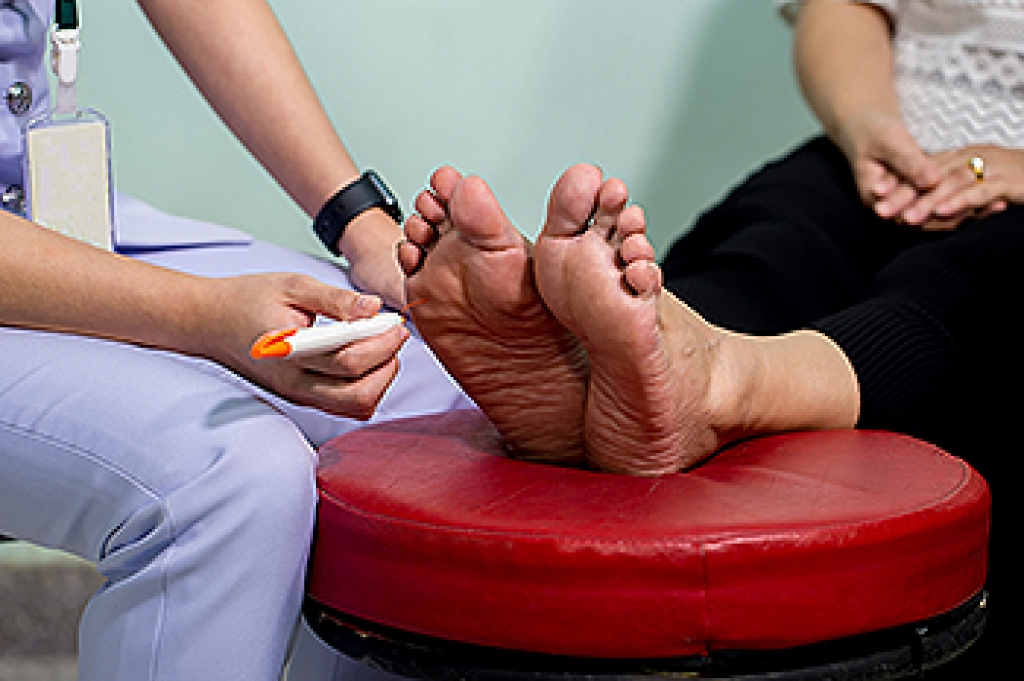
It is important for diabetic patients to practice exceptional foot care because of an increase for an infection to occur when there is a cut, scrape, or bruise on the bottom of the foot. A person who has diabetes has elevated blood sugar, and it is beneficial to monitor these levels daily. Many diabetic patients experience neuropathy when their blood sugar is high, and this can possibly cause the inability to feel if there are existing cuts on the feet. There are several everyday techniques that can be implemented for patients to practice, and this may help them protect the health of their feet. These can include washing and drying the feet thoroughly daily, followed by using a mirror, if necessary, to look at the soles of the feet. It is beneficial to refrain from walking barefoot, and wearing shoes that are comfortable and fit correctly is crucial in maintaining good foot care. Additionally, when the nails are properly trimmed weekly, this may prevent unwanted foot conditions such as ingrown toenails from developing. If you have diabetes, it is strongly suggested that you are under the care of a podiatrist who can offer you correct management tips.

Diabetic foot care is important in preventing foot ailments such as ulcers. If you are suffering from diabetes or have any other concerns about your feet, contact one of our podiatrists from Pennsylvania Foot & Ankle. Our doctors can provide the care you need to keep you pain-free and on your feet.

Diabetic Foot Care

Diabetes affects millions of people every year. The condition can damage blood vessels in many parts of the body, especially the feet. Because of this, taking care of your feet is essential if you have diabetes, and having a podiatrist help monitor your foot health is highly recommended.

The Importance of Caring for Your Feet

  • Routinely inspect your feet for bruises or sores.
  • Wear socks that fit your feet comfortably.
  • Wear comfortable shoes that provide adequate support.

Patients with diabetes should have their doctor monitor their blood levels, as blood sugar levels play such a huge role in diabetic care. Monitoring these levels on a regular basis is highly advised.

It is always best to inform your healthcare professional of any concerns you may have regarding your feet, especially for diabetic patients. Early treatment and routine foot examinations are keys to maintaining proper health, especially because severe complications can arise if proper treatment is not applied.

If you have any questions, please feel free to contact one of our offices located in Bensalem, Philadelphia, Northeast Philadelphia, Yardley, PA, and Hamilton, NJ . We offer the newest diagnostic and treatment technologies for all your foot care needs.
Read more about Diabetic Foot Care

Various Reasons Why Bunions May Develop

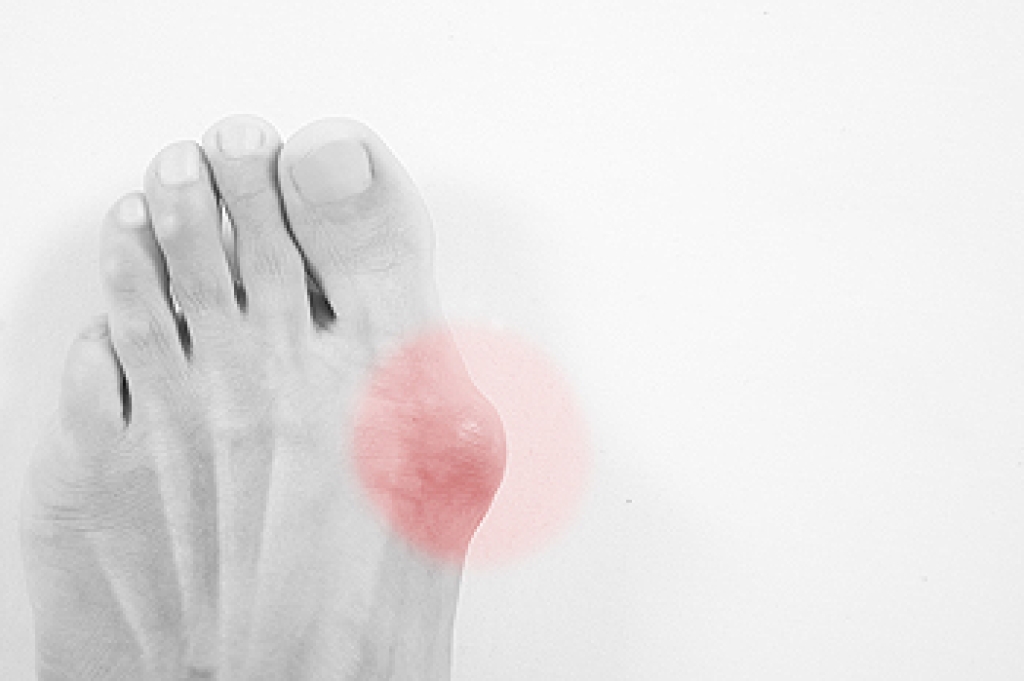
The common foot condition known as a bunion can be unflattering. It is a deformity that affects approximately 30% of the population. A bunion is defined as a bony lump that forms on the side of the big toe. Research has shown it can develop from genetic reasons or possibly from the shoes that are worn. Many people wear shoes that do not have adequate room for the toes to move freely in, and a bunion may start to form. Additional reasons why a bunion can occur include enduring an injury that may alter the structure of the foot. This may contribute to having damaged ligaments, and can cause a misalignment of the big toe. If the bunion is large, it may cause the big toe to shift toward the other toes, and this can cause pain and discomfort. Patients often need to purchase larger shoes that can accommodate the bunion, and it is suggested that medical attention is sought. There are several treatment options for bunions, and if you are afflicted with one, it is strongly advised that you contact a podiatrist who can guide you toward the best one for you.

If you are suffering from bunions, contact one of our podiatrists of Pennsylvania Foot & Ankle. Our doctors can provide the care you need to keep you pain-free and on your feet.

What Is a Bunion?

A bunion is formed of swollen tissue or an enlargement of boney growth, usually located at the base joint of the toe that connects to the foot. The swelling occurs due to the bones in the big toe shifting inward, which impacts the other toes of the foot. This causes the area around the base of the big toe to become inflamed and painful.

Why Do Bunions Form?

Genetics – Susceptibility to bunions are often hereditary

Stress on the feet – Poorly fitted and uncomfortable footwear that places stress on feet, such as heels, can worsen existing bunions

How Are Bunions Diagnosed?

Podiatrists often perform two tests – blood tests and x-rays – when trying to diagnose bunions, especially in the early stages of development. Blood tests help determine if the foot pain is being caused by something else, such as arthritis, while x-rays provide a clear picture of your bone structure to your provider.

How Are Bunions Treated?

  • Refrain from wearing heels or similar shoes that cause discomfort
  • Select wider shoes that can provide more comfort and reduce pain
  • Anti-inflammatory and pain management drugs
  • Orthotics or foot inserts
  • Surgery

If you have any questions, please feel free to contact one of our offices located in Bensalem, Philadelphia, Northeast Philadelphia, Yardley, PA, and Hamilton, NJ . We offer the newest diagnostic and treatment technologies for all your foot care needs.
Read more about What Are Bunions?

Connect With Us