
You don't need an excuse to have beautiful nails. Step outside without worrying about the appearance of your feet.
You don't need an excuse to have beautiful nails. Step outside without worrying about the appearance of your feet.
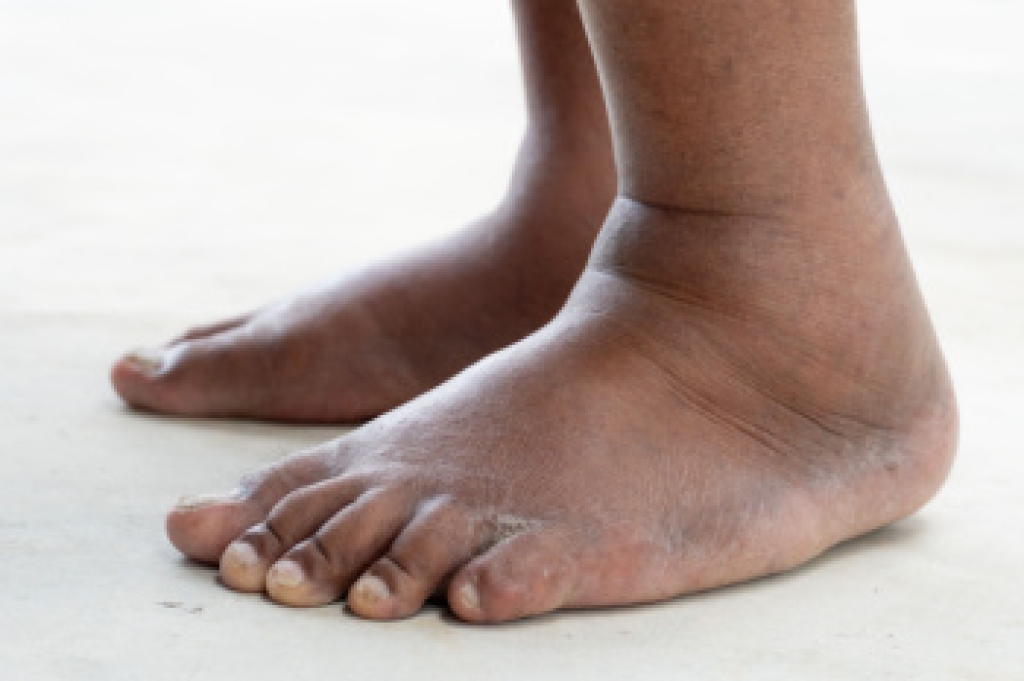
Swollen feet can be uncomfortable and concerning. Common causes include standing or sitting for long periods, pregnancy, or wearing ill-fitting shoes. However, swelling may also be a sign of underlying medical conditions, such as heart failure, kidney disease, lymphedema, or venous insufficiency. Symptoms include puffiness, skin tightness, or difficulty walking. A podiatrist can assess the cause of the swelling with a thorough examination and help manage it with proper footwear, compression therapy, or referrals to other specialists, if needed. Early treatment is essential to prevent complications. If you are experiencing persistent or painful foot swelling, it is suggested that you schedule an appointment with a podiatrist who can offer appropriate treatment solutions.
Swollen feet can be a sign of an underlying condition. If you have any concerns, contact one of our podiatrists of Pennsylvania Foot & Ankle. Our doctors can provide the care you need to keep you pain-free and on your feet.
Swollen feet are a common ailment among pregnant women and people who stand or sit for extended periods. Aging may increase the possibility of swollen feet and patients who are obese often notice when their feet are swelling too. There may be medical reasons why swollen feet occur:
Swollen feet can also be caused by bone and tendon conditions, including fractures, arthritis, and tendinitis. Additionally, there may be skin and toenail conditions and an infection may cause the feet to swell. Patients who take medicine to treat high blood pressure may be prone to getting swollen feet.
Many patients elevate their feet to help relieve the swelling and this is generally a temporary remedy. When a podiatrist is consulted the reason behind the swelling can be uncovered and subsequently treated.
If you have any questions please contact one of our offices located in Bensalem, Philadelphia, Northeast Philadelphia, Yardley, PA, and Hamilton, NJ . We offer the newest diagnostic and treatment technologies for all your foot and ankle needs.

Achilles tendon enthesopathy is a condition where the tendon that connects the calf muscle to the heel becomes irritated where it attaches to the bone. This area can become stiff, sore, or swollen, especially after being active or spending a lot of time on your feet. It may be harder to walk comfortably in the morning or after sitting for long periods of time. This condition can develop from repeated stress, wearing poor footwear, or tight calf muscles. Stretching, supportive shoes, and rest can sometimes ease the symptoms, but ignoring the discomfort can lead to more serious problems. Some people benefit from custom inserts, targeted exercises, or other treatments to relieve pressure on the heel and help the tendon heal. If you are having ongoing pain near the back of your heel that does not improve with simple care, it is suggested that you consult a podiatrist for proper evaluation and appropriate treatment.
Achilles tendon injuries need immediate attention to avoid future complications. If you have any concerns, contact one of our podiatrists of Pennsylvania Foot & Ankle. Our doctors can provide the care you need to keep you pain-free and on your feet.
What Is the Achilles Tendon?
The Achilles tendon is a tendon that connects the lower leg muscles and calf to the heel of the foot. It is the strongest tendon in the human body and is essential for making movement possible. Because this tendon is such an integral part of the body, any injuries to it can create immense difficulties and should immediately be presented to a doctor.
What Are the Symptoms of an Achilles Tendon Injury?
There are various types of injuries that can affect the Achilles tendon. The two most common injuries are Achilles tendinitis and ruptures of the tendon.
Achilles Tendinitis Symptoms
Rupture Symptoms
Treatment and Prevention
Achilles tendon injuries are diagnosed by a thorough physical evaluation, which can include an MRI. Treatment involves rest, physical therapy, and in some cases, surgery. However, various preventative measures can be taken to avoid these injuries, such as:
If you have any questions please feel free to contact one of our offices located in Bensalem, Philadelphia, Northeast Philadelphia, Yardley, PA, and Hamilton, NJ . We offer the newest diagnostic tools and technology to treat your foot and ankle needs.
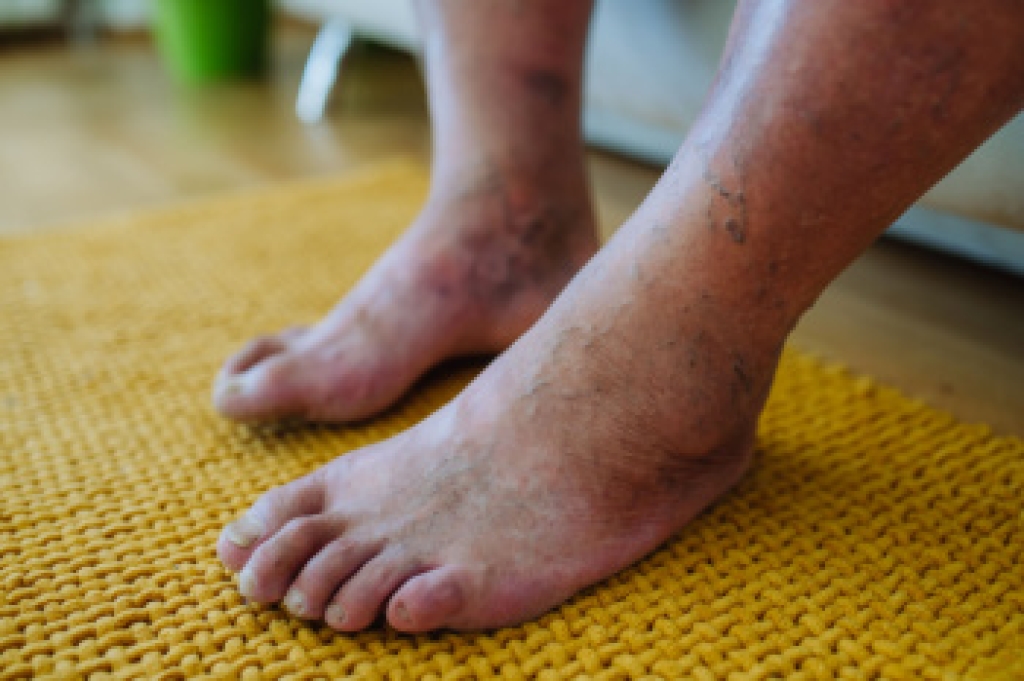
Diabetes can cause nerve damage, known as neuropathy, and poor circulation, leading to decreased sensation and slower healing in the feet. This makes it easier to develop unnoticed cuts, blisters, or infections, which can worsen without proper care. Symptoms include numbness, tingling, burning sensations, dry or cracked skin, swelling, and slow-healing wounds. Feet may appear discolored, swollen, or have ulcers, which can be painless due to nerve damage, but are at high risk for infection. A podiatrist can diagnose diabetic foot problems with a thorough foot exam, assessing circulation and nerve function. Treatment focuses on preventing complications through regular foot care, wound management, custom orthotics, and education on proper hygiene and footwear. If you have diabetes, it is suggested that you schedule regular appointments with a podiatrist for ongoing care.
Diabetic foot care is important in preventing foot ailments such as ulcers. If you are suffering from diabetes or have any other concerns about your feet, contact one of our podiatrists from Pennsylvania Foot & Ankle. Our doctors can provide the care you need to keep you pain-free and on your feet.
Diabetic Foot Care
Diabetes affects millions of people every year. The condition can damage blood vessels in many parts of the body, especially the feet. Because of this, taking care of your feet is essential if you have diabetes, and having a podiatrist help monitor your foot health is highly recommended.
The Importance of Caring for Your Feet
Patients with diabetes should have their doctor monitor their blood levels, as blood sugar levels play such a huge role in diabetic care. Monitoring these levels on a regular basis is highly advised.
It is always best to inform your healthcare professional of any concerns you may have regarding your feet, especially for diabetic patients. Early treatment and routine foot examinations are keys to maintaining proper health, especially because severe complications can arise if proper treatment is not applied.
If you have any questions, please feel free to contact one of our offices located in Bensalem, Philadelphia, Northeast Philadelphia, Yardley, PA, and Hamilton, NJ . We offer the newest diagnostic and treatment technologies for all your foot care needs.
Do you suffer from heel pain when you get up in the morning? If so, you should seek professional help and have a proper diagnosis performed. Heel pain can be caused by several different foot-related conditions.
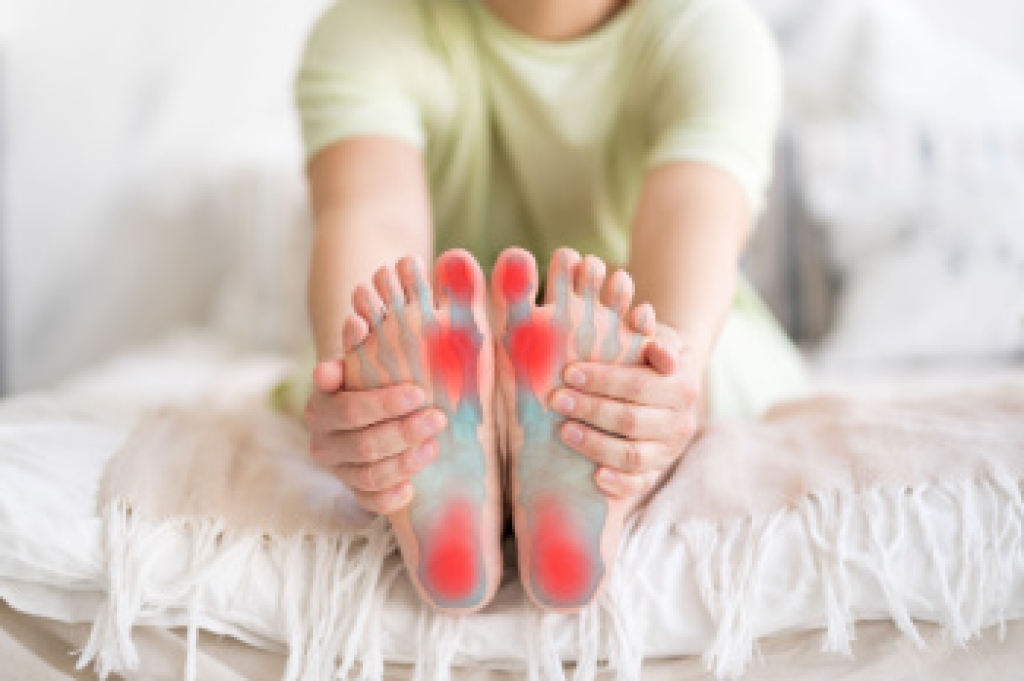
Rheumatoid arthritis is a long-term condition that causes inflammation in the joints, often starting in the feet. In many cases, the toes or middle part of the foot are the first areas to become painful or swollen. The joints most often affected are the ones at the base of the toes, as well as the joints below the ankle. These areas can become stiff, unstable, or painful, and over time, the shape of the foot can change. Some people develop soft lumps, called nodules, that form over pressure points like the heel or the back of the ankle. Fluid-filled sacs under the ball of the foot, known as bursae, may become sore if irritated. Corns, calluses, and thick skin may build up in areas that take extra pressure, especially if walking becomes uneven. A podiatrist can provide support through an accurate diagnosis, pressure relief techniques, and long-term foot care. If you have rheumatoid arthritis that is causing foot pain, it is suggested that you schedule an appointment with a podiatrist for appropriate treatment.
Because RA affects more than just your joints, including the joints in your feet and ankles, it is important to seek early diagnosis from your podiatrist if you feel like the pain in your feet might be caused by RA. For more information, contact one of our podiatrists of Pennsylvania Foot & Ankle. Our doctors will assist you with all of your podiatric concerns.
What Is Rheumatoid Arthritis?
Rheumatoid Arthritis (RA) is an autoimmune disorder in which the body’s own immune system attacks the membranes surrounding the joints. Inflammation of the lining and eventually the destruction of the joint’s cartilage and bone occur, causing severe pain and immobility.
Rheumatoid Arthritis of the Feet
Although RA usually attacks multiple bones and joints throughout the entire body, almost 90 percent of cases result in pain in the foot or ankle area.
Symptoms
Diagnosis
Quick diagnosis of RA in the feet is important so that the podiatrist can treat the area effectively. Your doctor will ask you about your medical history, occupation, and lifestyle to determine the origin of the condition. Rheumatoid Factor tests help to determine if someone is affected by the disease.
If you have any questions, please feel free to contact one of our offices located in Bensalem, Philadelphia, Northeast Philadelphia, Yardley, PA, and Hamilton, NJ . We offer the newest diagnostic and treatment technologies for all your foot care needs.
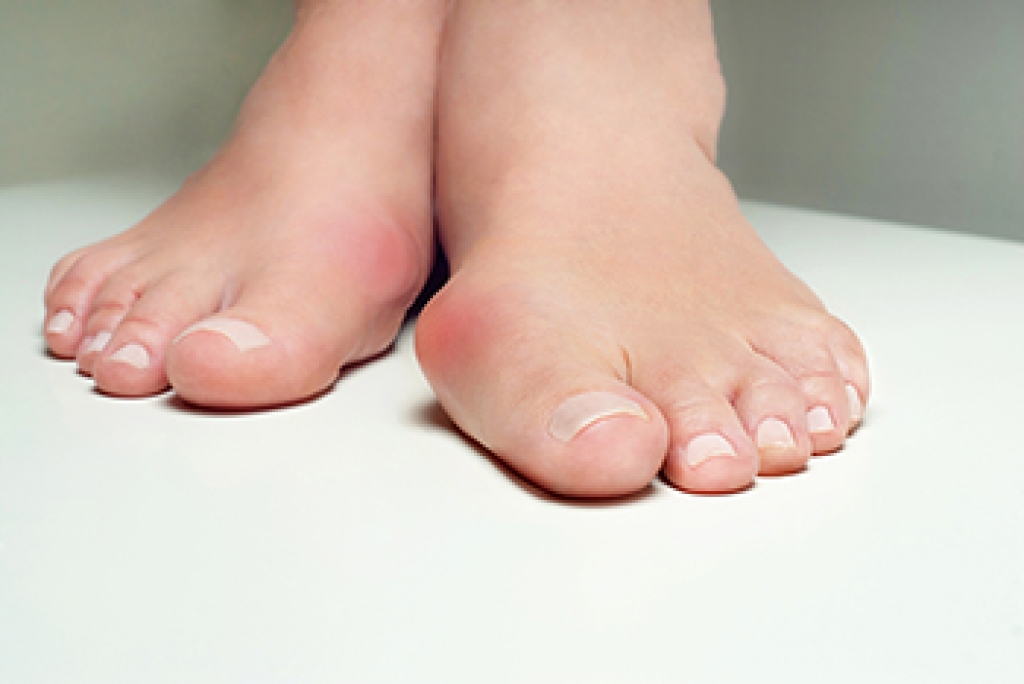
A bunion is a noticeable bump on the side of the big toe, often forming gradually as the joint shifts out of place. Signs include swelling, redness, and the big toe leaning toward the second toe. You may notice difficulty fitting into shoes or discomfort while walking. Wearing tight footwear, inherited foot shape, and certain health conditions can contribute to bunion development. Early care involves wearing shoes with a wide toe area, using cushions or splints to reduce pressure, and avoiding high heels. If pain becomes consistent or the bunion interferes with daily activities, further care may be needed. Custom orthotics or targeted exercises may help slow progression. In more advanced cases, surgical correction could be considered. If you suspect you have a bunion, it is suggested that you see a podiatrist for a diagnosis and guidance on the most effective treatment options.
If you are suffering from bunion pain, contact one of our podiatrists of Pennsylvania Foot & Ankle. Our doctors can provide the care you need to keep you pain-free and on your feet.
What Is a Bunion?
Bunions are painful bony bumps that usually develop on the inside of the foot at the joint of the big toe. As the deformity increases over time, it may become painful to walk and wear shoes. Women are more likely to exacerbate existing bunions since they often wear tight, narrow shoes that shift their toes together. Bunion pain can be relieved by wearing wider shoes with enough room for the toes.
Causes
Symptoms
In order to diagnose your bunion, your podiatrist may ask about your medical history, symptoms, and general health. Your doctor might also order an x-ray to take a closer look at your feet. Nonsurgical treatment options include orthotics, padding, icing, changes in footwear, and medication. If nonsurgical treatments don’t alleviate your bunion pain, surgery may be necessary.
If you have any questions, please feel free to contact one of our offices located in Bensalem, Philadelphia, Northeast Philadelphia, Yardley, PA, and Hamilton, NJ . We offer the newest diagnostic and treatment technologies for all your foot care needs.
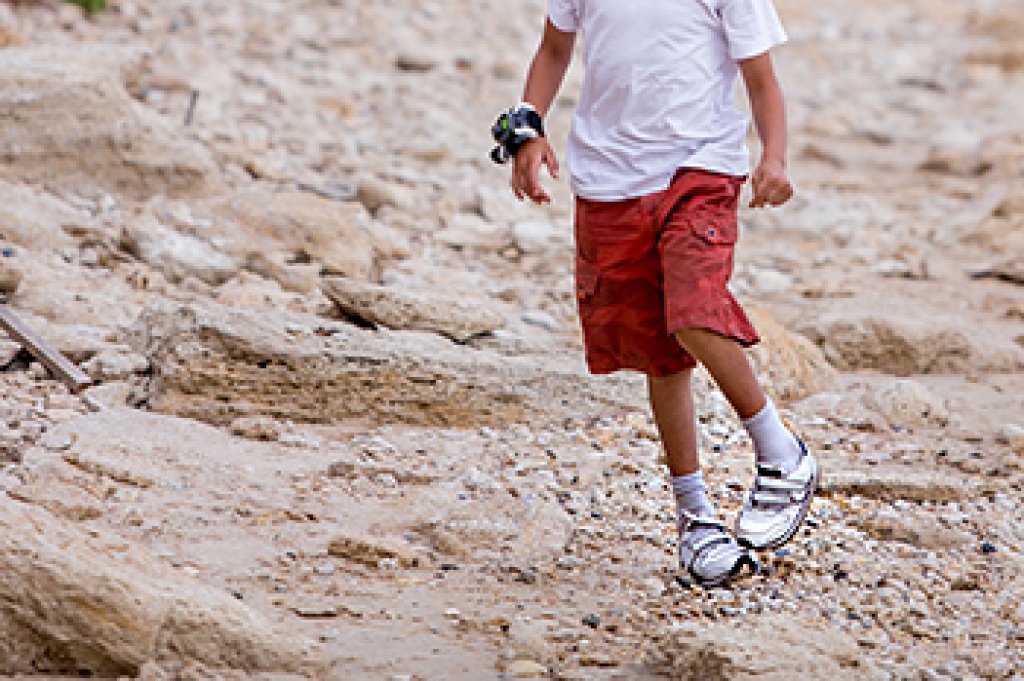
Congenital foot deformities are structural abnormalities present at birth that affect the shape or function of a baby’s feet. One of the most common types is clubfoot, where the foot appears twisted inward and downward. Causes may include genetic factors, issues during pregnancy, or unknown developmental conditions. These deformities are usually diagnosed through physical examination and sometimes imaging tests shortly after birth. Early diagnosis is important to begin proper treatment and support normal development. A podiatrist can assist by creating a personalized care plan that may include stretching, casting, bracing, or referral for surgical correction, if needed. If your child has been born with clubfoot, it is suggested that you include a podiatrist on your healthcare team who can provide you with proper advice and guidance.
Congenital foot problems require immediate attention to avoid future complications. If you have any concerns, contact one of our podiatrists of Pennsylvania Foot & Ankle. Our doctors can provide the care you need to keep you pain-free and on your feet.
Congenital foot problems are deformities affecting the feet, toes, and/or ankles that children are born with. Some of these conditions have a genetic cause while others just happen. Some specific foot ailments that children may be born with include clubfeet, polydactyly/macrodactyly, and cleft foot. There are several other foot anomalies that can occur congenitally. What all of these conditions have in common is that a child may experience difficulty walking or performing everyday activities, as well as trouble finding footwear that fits their foot deformity. Some of these conditions are more serious than others. Consulting with a podiatrist as early as possible will help in properly diagnosing a child’s foot condition while getting the necessary treatment underway.
What are Causes of Congenital Foot Problem?
A congenital foot problem is one that happens to a child at birth. These conditions can be caused by a genetic predisposition, developmental or positional abnormalities during gestation, or with no known cause.
What are Symptoms of Congenital Foot Problems?
Symptoms vary by the congenital condition. Symptoms may consist of the following:
Treatment and Prevention
While there is nothing one can do to prevent congenital foot problems, raising awareness and receiving neonatal screenings are important. Early detection by taking your child to a podiatrist leads to the best outcome possible.
If you have any questions, please feel free to contact one of our offices located in Bensalem, Philadelphia, Northeast Philadelphia, Yardley, PA, and Hamilton, NJ . We offer the newest diagnostic and treatment technologies for all your foot care needs.

Custom orthotics, or shoe inserts, should be periodically replaced. Orthotics must fit properly to give you the best results. Protect your feet and ankles!
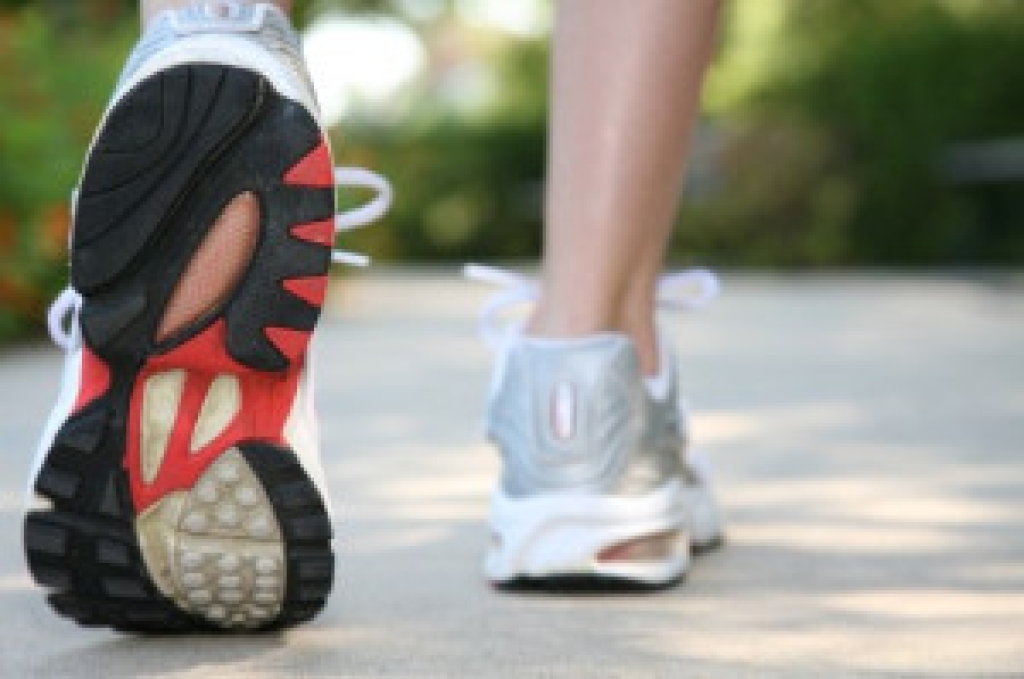
Selecting the right running shoes is essential for comfort, performance, and injury prevention. Traditional running shoes are designed for roads and tracks, while trail running shoes offer grip and protection on uneven terrain. Shoe selection should be based on gait and arch type. Neutral running shoes work well for those with a balanced gait, while stability shoes support mild overpronation. Motion control shoes are best for significant overpronation. Carbon plated shoes are designed for speed and efficiency in advanced runners. A podiatrist can assess foot structure and gait mechanics to guide proper shoe choice. If you are unsure which running shoes are right for you, it is suggested that you consult a podiatrist for expert advice and personalized recommendations.
If you are a runner, wearing the right running shoe is essential. For more information, contact one of our podiatrists from Pennsylvania Foot & Ankle. Our doctors can provide the care you need to keep you pain-free and on your feet.
Choosing the Right Running Shoe for Your Foot Type
To increase performance and avoid the risk of injury, it is important to choose the right running shoe based on your foot type. The general design of running shoes revolves around pronation, which is how the ankle rolls from outside to inside when the foot strikes the ground.
If you have any questions, please feel free to contact one of our offices located in Bensalem, Philadelphia, Northeast Philadelphia, Yardley, PA, and Hamilton, NJ . We offer the newest diagnostic and treatment technologies for all your foot care needs.
Connect With Us
