
If left untreated, an ingrown toenail can lead to more serious concerns, such as an infection. Knowing proper nail care can help in the prevention of an ingrown toenail. Give us a call, and get treated!
If left untreated, an ingrown toenail can lead to more serious concerns, such as an infection. Knowing proper nail care can help in the prevention of an ingrown toenail. Give us a call, and get treated!
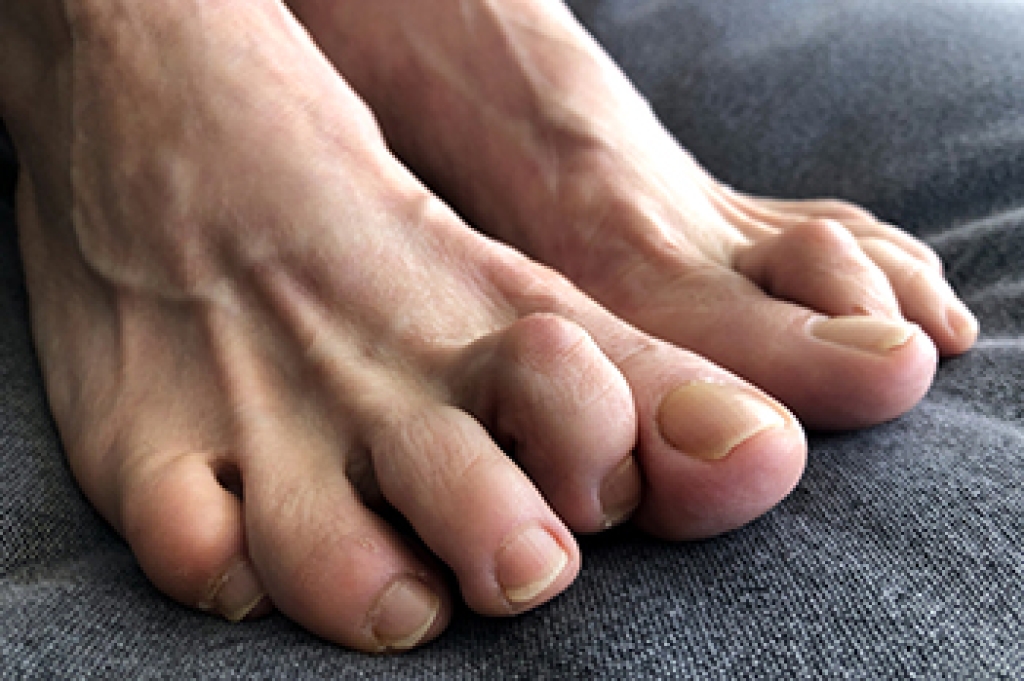
Hammertoe is a common foot deformity that affects the alignment of toes, causing them to bend or curl downward instead of pointing forward. This condition can occur in any toe but is most often observed in the second or third toe. While some individuals may have hammertoe from birth, it frequently develops over time due to factors like arthritis or wearing poorly fitting shoes, particularly those with tight, pointed toes. The most noticeable sign of hammertoe is an abnormal bending or curling of the toe. This deformity often leads to discomfort, especially when wearing shoes or walking. The persistent pressure on the bent toe can result in the formation of corns and calluses. A hammertoe may also restrict flexibility in the affected toe, which can impede normal movement. Several factors increase the likelihood of developing hammertoe. A family history of the condition can elevate your risk. The persistent use of tight or pointy-toed shoes is a common risk factor, as these footwear choices can force your toes into an abnormal position. Wearing improperly fitting shoes over an extended period can lead to hammertoe formation. For help in dealing with a hammertoe, it is suggested that you make an appointment with a podiatrist for an exam and treatment options.
Hammertoe
Hammertoes can be a painful condition to live with. For more information, contact one of our podiatrists from Pennsylvania Foot & Ankle. Our doctors will answer any of your foot- and ankle-related questions.
Hammertoe is a foot deformity that affects the joints of the second, third, fourth, or fifth toes of your feet. It is a painful foot condition in which these toes curl and arch up, which can often lead to pain when wearing footwear.
Symptoms
Causes
Genetics – People who are genetically predisposed to hammertoe are often more susceptible
Arthritis – Because arthritis affects the joints in your toes, further deformities stemming from arthritis can occur
Trauma – Direct trauma to the toes could potentially lead to hammertoe
Ill-fitting shoes – Undue pressure on the front of the toes from ill-fitting shoes can potentially lead to the development of hammertoe
Treatment
Orthotics – Custom made inserts can be used to help relieve pressure placed on the toes and therefore relieve some of the pain associated with it
Medications – Oral medications such as anti-inflammatories or NSAIDs could be used to treat the pain and inflammation hammertoes causes. Injections of corticosteroids are also sometimes used
Surgery – In more severe cases where the hammertoes have become more rigid, foot surgery is a potential option
If you have any questions, please feel free to contact one of our offices located in Bensalem, Philadelphia, Northeast Philadelphia, Yardley, PA, and Hamilton, NJ . We offer the newest diagnostic and treatment technologies for all your foot care needs.
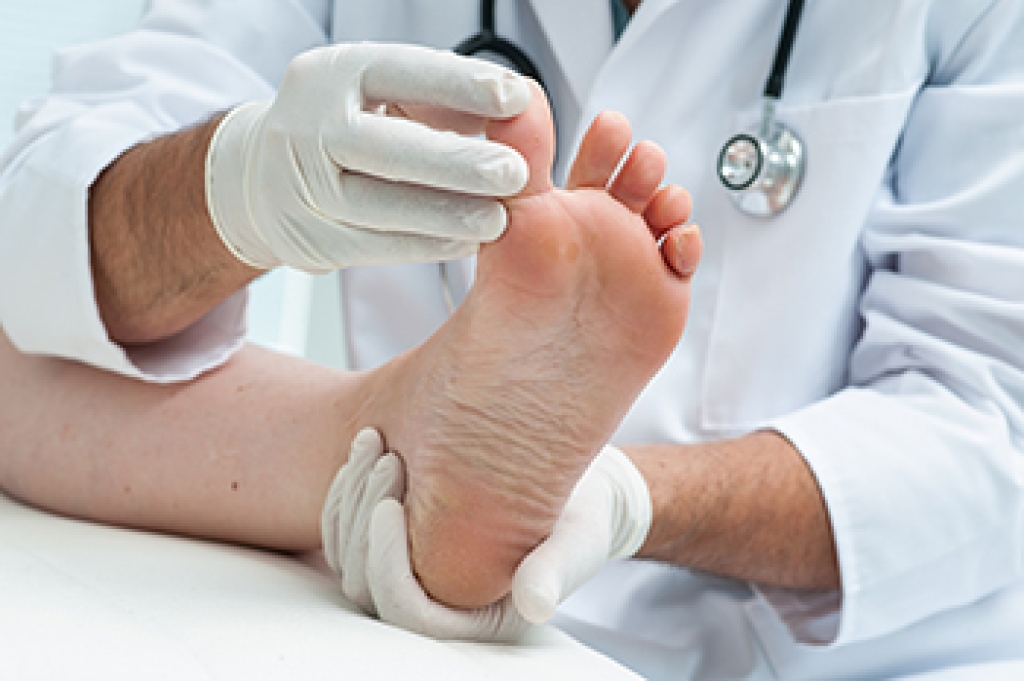
Athlete's foot, scientifically known as tinea pedis, is a fungal infection that can affect anyone. It is notorious for causing discomfort, itching, and unsightly skin changes. Athlete’s foot tends to be more prevalent among older adults, especially males. The primary cause is dermatophytes, a type of fungus that thrive in warm and humid environments. You can contract athlete's foot by walking barefoot on wet and contaminated floors, especially in public areas like locker rooms, showers, and pools. It also can be transmitted by sharing towels, clothing, or shoes with someone who has the infection. Prolonged use of sweaty, tight shoes that create a moist environment for fungi to flourish also increases the risk of infection. Symptoms of athlete's foot can include red and inflamed skin, persistent itchiness, flaky and scaly skin, thickened skin, and dry feet. In severe cases, tiny red blisters may develop between the toes or on the soles of the feet. The good news is that athlete's foot is generally easy to treat with prescribed antifungal creams or oral medications. If you suspect you have a particularly troublesome case of athlete's foot, it is suggested that you make an appointment with a podiatrist for help managing this fungal infection.
Athlete’s foot is an inconvenient condition that can be easily reduced with the proper treatment. If you have any concerns about your feet and ankles, contact one of our podiatrists from Pennsylvania Foot & Ankle. Our doctors will treat your foot and ankle needs.
Athlete’s Foot: The Sole Story
Athlete's foot, also known as tinea pedis, can be an extremely contagious foot infection. It is commonly contracted in public changing areas and bathrooms, dormitory style living quarters, around locker rooms and public swimming pools, or anywhere your feet often come into contact with other people.
Solutions to Combat Athlete’s Foot
Athlete’s foot can cause many irritating symptoms such as dry and flaking skin, itching, and redness. Some more severe symptoms can include bleeding and cracked skin, intense itching and burning, and even pain when walking. In the worst cases, Athlete’s foot can cause blistering as well. Speak to your podiatrist for a better understanding of the different causes of Athlete’s foot, as well as help in determining which treatment options are best for you.
If you have any questions please feel free to contact one of our offices located in Bensalem, Philadelphia, Northeast Philadelphia, Yardley, PA, and Hamilton, NJ . We offer the newest diagnostic and treatment technologies for all your foot and ankle needs.
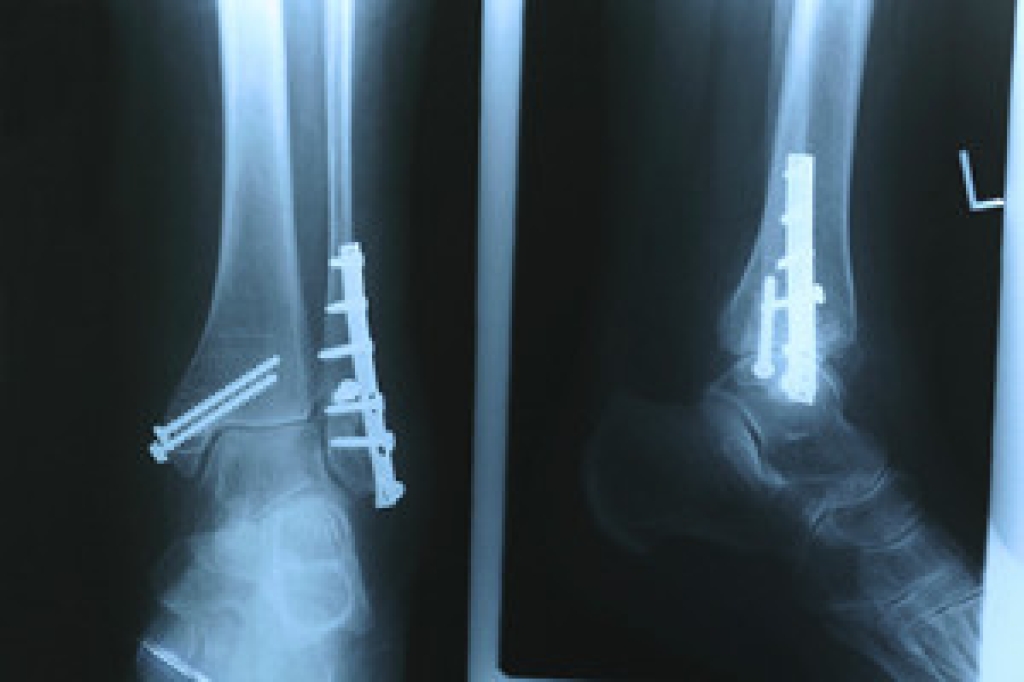
A fractured ankle involves an injury to one or more of the three bones that make up the ankle joint, the tibia, fibula, and talus, as well as the surrounding ligaments. Such fractures can result from various causes, including accidents, falls, heavy impacts, or sports injuries. Signs of a fractured ankle consist of pain, deformity, swelling, bruising, and difficulty walking. The typical healing time for an ankle fracture varies depending on the severity of the fracture. Non-surgical fractures take approximately 6 to 12 weeks, while surgical fractures take longer. Podiatrists can diagnose and manage these injuries, provide orthotic support, and recommend rehabilitation exercises. Early medical attention is crucial, and first aid measures such as elevation and wound care can be helpful while awaiting medical care. Preventing ankle fractures involves properly warming up and wearing appropriate footwear. Additionally, it is beneficial to avoid uneven surfaces. Fractured ankles can have serious consequences if not treated properly, leading to complications, including mobility issues, chronic pain, and arthritis. If you believe you have fractured your ankle, it is suggested that you make an appointment with a podiatrist as quickly as possible.
Ankle pain can have many different causes and the pain may potentially be serious. If you have ankle pain, consult with one of our podiatrists from Pennsylvania Foot & Ankle. Our doctors will assess your condition and provide you with quality foot and ankle treatment.
Ankle pain is any condition that causes pain in the ankle. Due to the fact that the ankle consists of tendons, muscles, bones, and ligaments, ankle pain can come from a number of different conditions.
Causes
The most common causes of ankle pain include:
Symptoms
Symptoms of ankle injury vary based upon the condition. Pain may include general pain and discomfort, swelling, aching, redness, bruising, burning or stabbing sensations, and/or loss of sensation.
Diagnosis
Due to the wide variety of potential causes of ankle pain, podiatrists will utilize a number of different methods to properly diagnose ankle pain. This can include asking for personal and family medical histories and of any recent injuries. Further diagnosis may include sensation tests, a physical examination, and potentially x-rays or other imaging tests.
Treatment
Just as the range of causes varies widely, so do treatments. Some more common treatments are rest, ice packs, keeping pressure off the foot, orthotics and braces, medication for inflammation and pain, and surgery.
If you have any questions please feel free to contact one of our offices located in Bensalem, Philadelphia, Northeast Philadelphia, Yardley, PA, and Hamilton, NJ . We offer the newest diagnostic tools and technology to treat your foot and ankle needs.

Have your child's feet been examined lately? Healthy feet are happy feet. If your child is complaining of foot pain, it may be a sign of underlying problems.
Connect With Us
