The Education of a Podiatrist

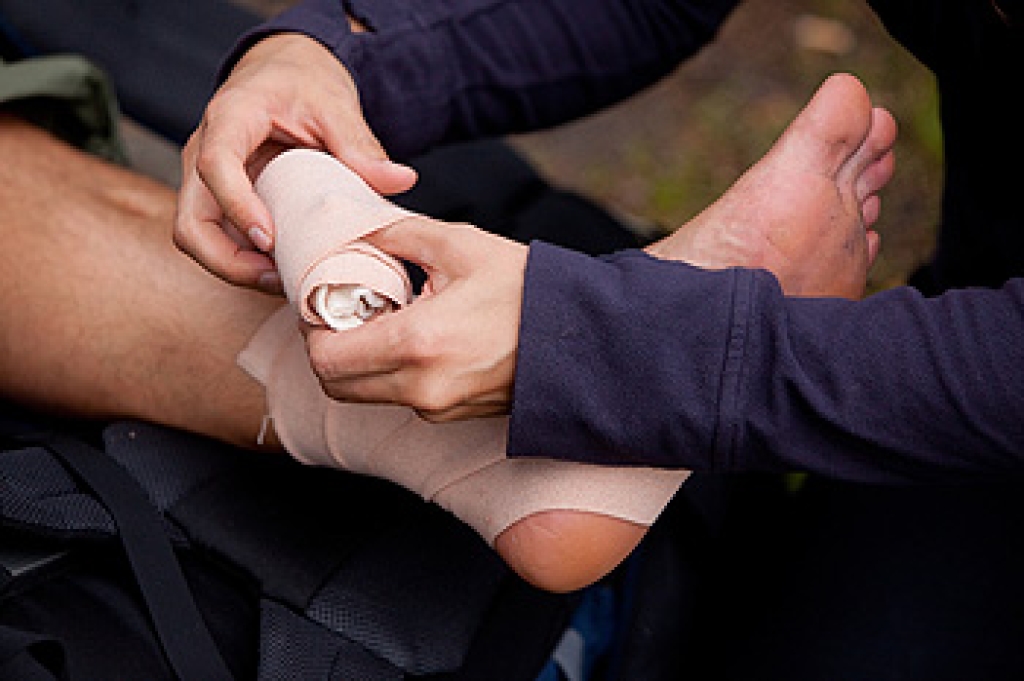
The area of the body that podiatrists treat are the feet, and sometimes the ankle too. They are specialists that are qualified in correcting disorders of the feet, and are defined as foot specialists. Some podiatrists may choose to practice a specific form of podiatry, including sports medicine, pediatrics, or diabetic foot care. Mandatory education consists of obtaining a bachelor's degree, followed by completing a four year program in a podiatric medical school. Additionally, there are many states that require completing a two year residency program as this can provide hands on experience with various medical and surgery practices. If you are considering a career in podiatry, it is suggested that you consult with a podiatrist who can enlighten you on the daily procedures of podiatry.

If you are dealing with pain in your feet and ankles, you may want to seek help from a podiatrist. Feel free to contact one of our podiatrists from Pennsylvania Foot & Ankle. Our doctors can provide the care you need to keep you pain-free and on your feet.

What Is a Podiatrist?

A podiatrist is a doctor of podiatric medicine who diagnoses and treats conditions of the foot, ankle, and related structures of the leg. Your podiatrist may specialize in a certain field such as sports medicine, wound care, pediatrics, and diabetic care. Podiatrists have the ability to become board certified through training, clinical experience, and then taking an exam.

What Do Podiatrists Do?

On a daily basis, a podiatrist may perform the following activities:

  • Diagnose foot ailments such as ulcers, tumors, fractures, etc.
  • Use innovative methods to treat conditions
  • Use corrective orthotics, casts, and strappings to correct deformities
  • Correct walking patterns and balance
  • Provide individual consultations to patients

It is very important that you take care of your feet. It’s easy to take having healthy feet for granted, however foot problems tend to be among the most common health conditions. Podiatrists can help diagnose and treat a variety of feet related conditions, so it is crucial that you visit one if you need assistance.

If you have any questions, please feel free to contact one of our offices located in Bensalem, Philadelphia, Northeast Philadelphia, Yardley, PA, and Hamilton, NJ . We offer the newest diagnostic and treatment technologies for all your foot care needs.

Read more about What is a Podiatrist?

Understanding Warts on the Feet

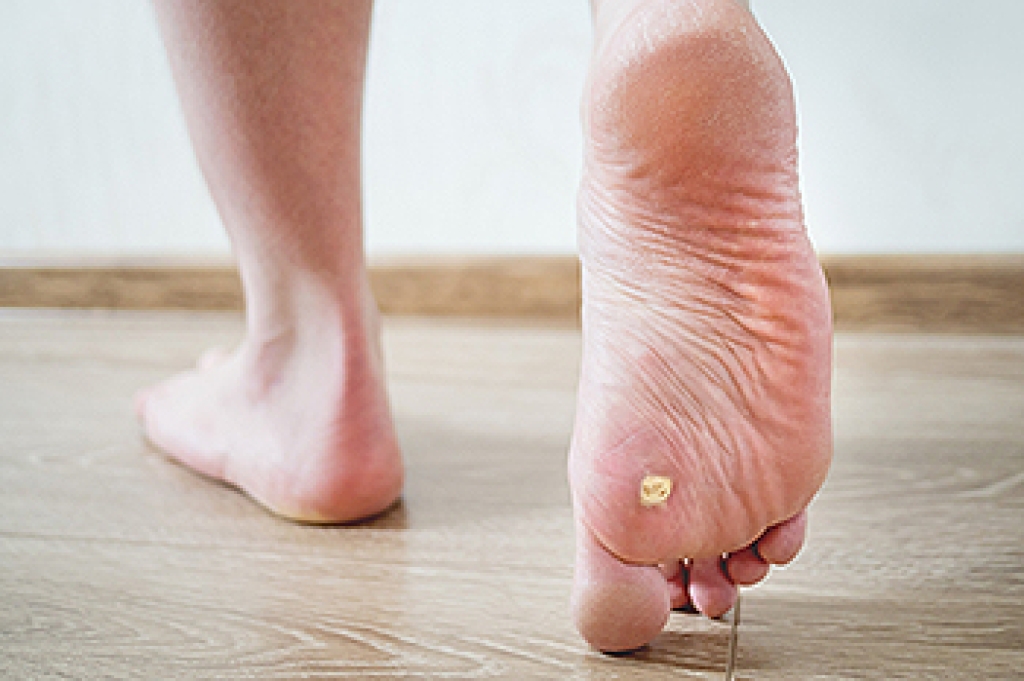
A verruca is a small wart on the sole of the foot. They are more commonly known as plantar warts. Plantar warts can grow on the sole of the foot because of the human papillomavirus (HPV). This virus is contagious and thrives in warm and moist environments like locker rooms and swimming pools which makes plantar warts common for people who are barefoot in these communal areas. Plantar warts are not usually painful unless they are bearing weight. Some patients have found they may be tender to the touch as well. To avoid the spread of plantar warts, you should wear flip flops in communal areas such as pools, locker rooms, or showers. If you have a plantar wart that persists, consulting with a podiatrist and getting professional advice can be extremely beneficial.  

Plantar warts can be very uncomfortable. If you need your feet checked, contact one of our podiatrists from Pennsylvania Foot & Ankle. Our doctors will assist you with all of your foot and ankle needs.

About Plantar Warts

Plantar warts are the result of HPV, or human papillomavirus, getting into open wounds on the feet. They are mostly found on the heels or balls of the feet.

While plantar warts are generally harmless, those experiencing excessive pain or those suffering from diabetes or a compromised immune system require immediate medical care. Plantar warts are easily diagnosed, usually through scraping off a bit of rough skin or by getting a biopsy.

Symptoms

  • Lesions on the bottom of your feet, usually rough and grainy
  • Hard or thick callused spots
  • Wart seeds, which are small clotted blood vessels that look like little black spots
  • Pain, discomfort, or tenderness of your feet when walking or standing

Treatment

  • Freezing
  • Electric tool removal
  • Laser Treatment
  • Topical Creams (prescription only)
  • Over-the-counter medications

To help prevent developing plantar warts, avoid walking barefoot over abrasive surfaces that can cause cuts or wounds for HPV to get into. Avoiding direct contact with other warts, as well as not picking or rubbing existing warts, can help prevent the further spread of plantar warts. However, if you think you have developed plantar warts, speak to your podiatrist. He or she can diagnose the warts on your feet and recommend the appropriate treatment options.

If you have any questions, please feel free to contact one of our offices located in Bensalem, Philadelphia, Northeast Philadelphia, Yardley, PA, and Hamilton, NJ . We offer the newest diagnostic and treatment technologies for all your foot care needs.

Read more about Plantar Warts

Reminder: When Was the Last Time...?

Custom orthotics, or shoe inserts, should be periodically replaced. Orthotics must fit properly to give you the best results. Protect your feet and ankles!

What Is a Heel to Toe Drop?

While searching for the right running shoe, you may have come across the term “heel to toe drop,” but what does this mean? The heel to toe drop is the difference in height between the heel and forefoot area of the running shoes. This is measured in millimeters. Shoes are divided into four categories based on the size of the heel to toe drop. There is zero drop (0mm), low drop (1-4mm), mid drop (5-8mm), and high drop (8+mm). The most common heel drop in standard running shoes measures about 10mm. The heel to toe drop can affect your gait, foot strike pattern, and running form, so it may be beneficial to select shoes that compliment or compensate for your gait and any foot or ankle issues that you may have. A podiatrist can examine your feet for any issues and perform a gait analysis to help determine what kind of running shoes would be best for you. 

You should always make sure your running shoes fit properly in order to avoid injury. For more information, contact one of our podiatrists from Pennsylvania Foot & Ankle. Our doctors can provide the care you need to keep you pain-free and on your feet.

Choosing the Right Running Shoe for Your Foot Type

Improper shoe sizing can cause a myriad of problems for your feet. Shoes that don’t fit you properly can lead to muscular imbalances in your body, which can result in foot, knee, and hip injuries.

Tips for Finding the Right Running Shoe

  • Make sure you have a thumb’s width of wiggle room between the end of your longest toe and the front of the shoe.
  • There should be little to no slipping at the heel
  • Don’t assume your size in one shoe brand will be your size in another
  • Do not lace up your shoes too tightly
  • Walk around in the store with your new shoes before you buy them

If you have any questions, please feel free to contact one of our offices located in Bensalem, Philadelphia, Northeast Philadelphia, Yardley, PA, and Hamilton, NJ . We offer the newest diagnostic and treatment technologies for all your foot care needs.
Read more about Choosing the Right Running Shoe for Your Foot Type

Can Sever’s Disease Affect Both Feet?

Sever’s disease, also known as calcaneal apophysitis, is an overuse injury of the growth plate in the heel bone. This condition typically affects children between the ages of 8 and 14 who participate in sports or running and jumping activities. It is thought to be caused by the Achilles tendon pulling repetitively on the heel’s growth plate, creating tiny injuries that can become inflamed and painful. Sever's disease can affect either one foot or both feet at the same time. It affects both feet in about sixty percent of cases. This condition is typically treated with rest, footwear and activity modifications, and over the counter anti-inflammatory medications. If your child complains of heel pain, it is suggested that you take them to see a podiatrist right away.

Sever's disease often occurs in children and teens. If your child is experiencing foot or ankle pain, see one of our podiatrists from Pennsylvania Foot & Ankle. Our doctors can treat your child’s foot and ankle needs.

Sever’s Disease

Sever’s disease is also known as calcaneal apophysitis, which is a medical condition that causes heel pain I none or both feet. The disease is known to affect children between the ages of 8 and 14.

Sever’s disease occurs when part of the child’s heel known as the growth plate (calcaneal epiphysis) is attached to the Achilles tendon. This area can suffer injury when the muscles and tendons of the growing foot do not keep pace with bone growth. Therefore, the constant pain which one experiences at the back of the heel will make the child unable to put any weight on the heel. The child is then forced to walk on their toes.

Symptoms

Acute pain – Pain associated with Sever’s disease is usually felt in the heel when the child engages in physical activity such as walking, jumping and or running.

Highly active – Children who are very active are among the most susceptible in experiencing Sever’s disease, because of the stress and tension placed on their feet.

If you have any questions, please feel free to contact one of our offices located in Bensalem, Philadelphia, Northeast Philadelphia, Yardley, PA, and Hamilton, NJ . We offer the newest diagnostic and treatment technologies for all your foot care needs.

Read more about Sever's Disease

What Is Fat Pad Atrophy?

The fat pad is a thick layer of fat located underneath the balls and heels of the feet. It provides cushioning to minimize the effects of friction and pressure on the feet, while also anchoring the feet to help you shift your body weight. Fat pad atrophy is the gradual loss of fat from the ball or the heel of the foot. This process is often associated with aging, but may also be caused by collapsed bones, high arches, foot injuries, arthritis, improper footwear, diabetes, steroid injections, certain medications, and genetic factors. Fat pad atrophy leads to symptoms such as pain in the balls and heels of the feet, swelling, and the formation of calluses. Pain is usually at its worst when walking, standing for prolonged periods of time, or wearing high heels. If you are experiencing fat pad atrophy, it is suggested that you seek the care of a podiatrist.

Many people suffer from bouts of heel pain. For more information, contact one of our podiatrists of Pennsylvania Foot & Ankle. Our doctors can provide the care you need to keep you pain-free and on your feet.

Causes of Heel Pain

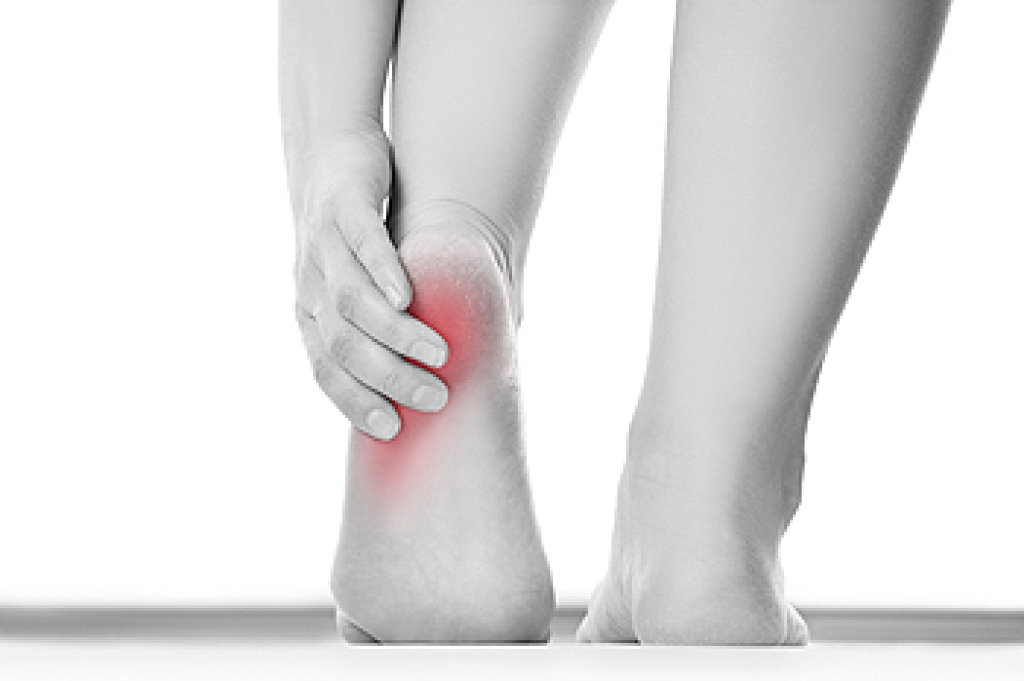
Heel pain is often associated with plantar fasciitis. The plantar fascia is a band of tissues that extends along the bottom of the foot. A rip or tear in this ligament can cause inflammation of the tissue.

Achilles tendonitis is another cause of heel pain. Inflammation of the Achilles tendon will cause pain from fractures and muscle tearing. Lack of flexibility is also another symptom.

Heel spurs are another cause of pain. When the tissues of the plantar fascia undergo a great deal of stress, it can lead to ligament separation from the heel bone, causing heel spurs.

Why Might Heel Pain Occur?

  • Wearing ill-fitting shoes                
  • Wearing non-supportive shoes
  • Weight change           
  • Excessive running

Treatments

Heel pain should be treated as soon as possible for immediate results. Keeping your feet in a stress-free environment will help. If you suffer from Achilles tendonitis or plantar fasciitis, applying ice will reduce the swelling. Stretching before an exercise like running will help the muscles. Using all these tips will help make heel pain a condition of the past.

If you have any questions, please feel free to contact one of our offices located in Bensalem, Philadelphia, Northeast Philadelphia, Yardley, PA, and Hamilton, NJ . We offer the newest diagnostic and treatment technologies for all your foot care needs.
Read more about Heel Pain

Why Live with Pain and Numbness in Your Feet?

Suffering from this type of pain? You may have the foot condition known as Morton's neuroma. Morton's neuroma may develop as a result of ill-fitting footwear and existing foot deformities. We can help.

When Cracked Heels Become Painful

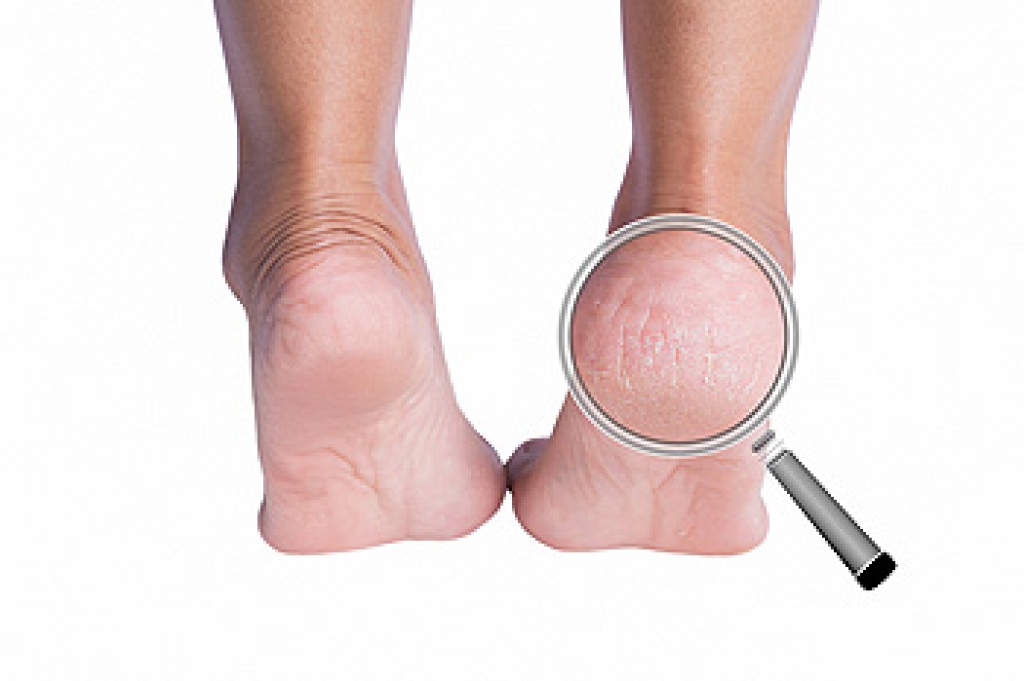
Heel fissures (cracked heels) that deepen may not only be unattractive, but painful. Left untreated, they may form hardened calluses, bleed, or even become infected. Cracked heels are usually the result of dry skin. Sometimes, this is exacerbated by obesity—which can cause dry skin to stiffen and crack when it is overly stretched. Standing on hard flooring for prolonged periods, as well as wearing poorly fitting or open-back shoes, or having certain foot disorders, psoriasis, eczema, and other medical conditions may also contribute to the development of cracked heels. You can help prevent heel fissures from occurring by keeping your feet hydrated with emollient or humectant moisturizers, limiting your time in the shower or bath, and opting for warm, rather than hot, water. Severely cracked or bleeding heels should be cared for by a podiatrist who can help prevent them from becoming infected.

If the skin on your feet starts to crack, you may want to see a podiatrist to find treatment. If you have any concerns, contact one of our podiatrists from Pennsylvania Foot & Ankle. Our doctors can provide the care you need to keep you pain-free and on your feet.

Cracked Heels

It is important to moisturize your cracked heels in order to prevent pain, bleeding, and infection. The reason cracked heels form is because the skin on the foot is too dry to support the immense pressure placed on them. When the foot expands, the dry skin on the foot begins to split.

Ways to Help Heal Them

  • Invest in a good foot cream
  • Try Using Petroleum Jelly
  • Ease up on Soaps
  • Drink Plenty of Water

Ways to Prevent Cracked Heels

  • Moisturize After Showering
  • Skip a Shower
  • Keep Shower Water Lukewarm
  • Don’t Scrub Your Feet

If you are unsure how to proceed in treating cracked heels, seek guidance from a podiatrist. Your doctor will help you with any questions or information you may need. 

If you have any questions, please feel free to contact one of our offices located in Bensalem, Philadelphia, Northeast Philadelphia, Yardley, PA, and Hamilton, NJ . We offer the newest diagnostic and treatment technologies for all your foot care needs.
Read more about Solutions for Cracked Heels

Recovering From Tenosynovitis

Tenosynovitis is an inflammation of a tendon and its synovium, or lining. This condition can affect the feet or ankles and occur due to injury, repetitive overuse, excessive pressure on the tendon, or an infection. Tenosynovitis usually affects athletes, ballet dancers, and older adults. While recovering from this condition, it is suggested that you limit your leg and foot movement to decrease stress on the tendon and prevent further damage. Applying ice or heat to the area can help reduce swelling and pain. At home, you may need to wear a splint, brace, or walking boot, and may need crutches to get around. It is important to follow your doctor’s instructions so that you can recover fully and return to your usual activities as soon as possible. If you are experiencing ankle pain, please consult with a podiatrist. 

Ankle pain can have many different causes and the pain may potentially be serious. If you have ankle pain, consult with one of our podiatrists from Pennsylvania Foot & Ankle. Our doctors will assess your condition and provide you with quality foot and ankle treatment.

Ankle pain is any condition that causes pain in the ankle. Due to the fact that the ankle consists of tendons, muscles, bones, and ligaments, ankle pain can come from a number of different conditions.

Causes

The most common causes of ankle pain include:

  • Types of arthritis (rheumatoid, osteoarthritis, and gout)
  • Ankle sprains
  • Broken ankles
  • Achilles tendinitis
  • Achilles tendon rupture
  • Stress fractures
  • Tarsal tunnel syndrome
  • Plantar fasciitis

Symptoms

Symptoms of ankle injury vary based upon the condition. Pain may include general pain and discomfort, swelling, aching, redness, bruising, burning or stabbing sensations, and/or loss of sensation.

Diagnosis

Due to the wide variety of potential causes of ankle pain, podiatrists will utilize a number of different methods to properly diagnose ankle pain. This can include asking for personal and family medical histories and of any recent injuries. Further diagnosis may include sensation tests, a physical examination, and potentially x-rays or other imaging tests.

Treatment

Just as the range of causes varies widely, so do treatments. Some more common treatments are rest, ice packs, keeping pressure off the foot, orthotics and braces, medication for inflammation and pain, and surgery.

If you have any questions please feel free to contact one of our offices located in Bensalem, Philadelphia, Northeast Philadelphia, Yardley, PA, and Hamilton, NJ . We offer the newest diagnostic tools and technology to treat your foot and ankle needs.

Read more about Ankle Pain

How Common Are Ankle Sprains?

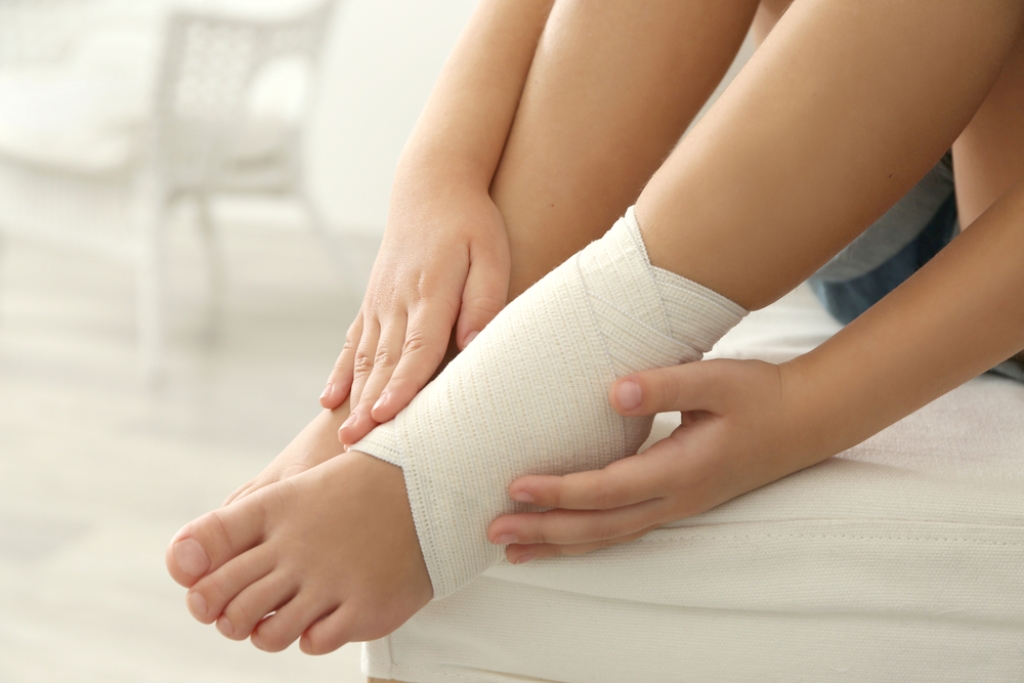
Ankle sprains are extremely common, affecting approximately 25,000 people each day. They occur when one or more ligaments in the ankle are overstretched or torn. This usually happens from a sudden twisting or turning of the ankle, while waking, running, jumping, dancing, or playing a sport. Immediately following the injury, it can be beneficial to follow the R.I.C.E. acronym for sprained ankle care. R.I.C.E. stands for rest, ice, compress, and elevate. Rest your ankle by not putting more weight on it than absolutely necessary. Apply ice to the ankle to reduce pain and swelling. Compressing the ankle can also help control swelling, and provides support to the area, as often ankle sprains are accompanied by ankle joint instability. Elevate the foot while resting by propping it up higher than heart level. If you suspect that you have sprained your ankle, it is strongly suggested that you see a podiatrist as soon as possible. The podiatrist will be able to diagnose the ankle sprain, determine the severity of the injury, and prescribe the appropriate treatments. 

Ankle sprains are common but need immediate attention. If you need your feet checked, contact one of our podiatrists from Pennsylvania Foot & Ankle. Our doctors can provide the care you need to keep you pain-free and on your feet.

How Does an Ankle Sprain Occur?

Ankle sprains take place when the ligaments in your ankle are torn or stretched beyond their limits. There are multiple ways that the ankle can become injured, including twisting or rolling over onto your ankle, putting undue stress on it, or causing trauma to the ankle itself.

What Are the Symptoms?

  • Mild to moderate bruising
  • Limited mobility
  • Swelling
  • Discoloration of the skin (depending on severity)

Preventing a Sprain

  • Wearing appropriate shoes for the occasion
  • Stretching before exercises and sports
  • Knowing your limits

Treatment of a Sprain

Treatment of a sprain depends on the severity.  Many times, people are told to rest and remain off their feet completely, while others are given an air cast. If the sprain is very severe, surgery may be required.

If you have suffered an ankle sprain previously, you may want to consider additional support such as a brace and regular exercises to strengthen the ankle.

If you have any questions please feel free to contact one of our offices located in Bensalem, Philadelphia, Northeast Philadelphia, Yardley, PA, and Hamilton, NJ . We offer the newest diagnostic tools and technology to treat your foot and ankle needs.

Read more about Ankle Sprains

Connect With Us