Foot Stretches May Prevent Muscle Cramps

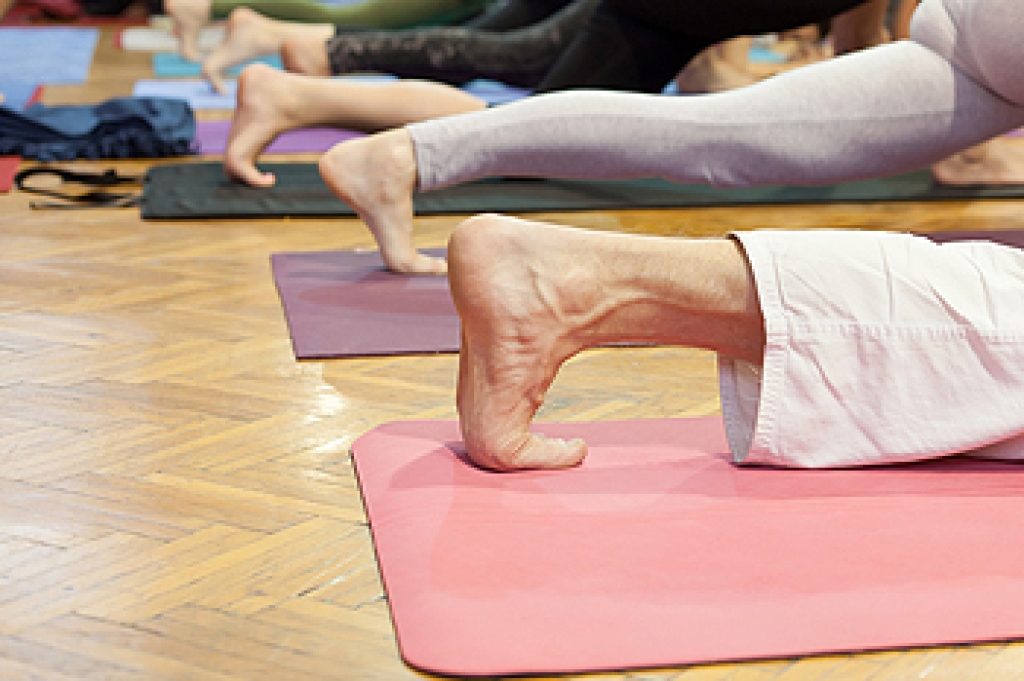
There are specific stretches that can be performed which can benefit the feet and ankles. Calf stretches are helpful in stretching the Achilles tendon, which is located at the back of the leg. Its purpose is to connect the heel to the calf muscles, and stretching this tendon will help to keep it flexible. This can be accomplished by standing on a step, and gently lowering one heel at a time. The top of the foot can be strengthened by picking up marbles with the toes, and slowly releasing them. Performing a towel pull is an effective stretch to keep the overall foot strong. This is done by sitting down with your legs in front of you, putting a towel across the bottom of your feet, and pulling it toward you. When the proper foot stretches are frequently practiced, muscle cramps may possibly be prevented. If you would like additional information about stretching exercises for the feet, please consult with a podiatrist.

Stretching the feet is a great way to prevent injuries. If you have any concerns with your feet consult with one of our podiatrists from Pennsylvania Foot & Ankle. Our doctors will assess your condition and provide you with quality foot and ankle treatment.

Stretching the Feet

Stretching the muscles in the foot is an important part in any physical activity. Feet that are tight can lead to less flexibility and make you more prone to injury. One of the most common forms of foot pain, plantar fasciitis, can be stretched out to help ease the pain. Stretching can not only ease pain from plantar fasciitis but also prevent it as well. However, it is important to see a podiatrist first if stretching is right for you. Podiatrists can also recommend other ways to stretch your feet. Once you know whether stretching is right for you, here are some excellent stretches you can do.

  • Using a foam roller or any cylindrical object (a water bottle or soda can will do), roll the object under your foot back and forth. You should also exert pressure on the object. Be sure to do this to both feet for a minute. Do this exercise three times each.
  • Similar to the previous one, take a ball, such as a tennis ball, and roll it under your foot while seated and exert pressure on it.
  • Grab a resistance band or towel and take a seat. If you are using a towel, fold it length wise. Next put either one between the ball of your foot and heel and pull with both hands on each side towards you. Hold this for 15 seconds and then switch feet. Do this three times for each foot.
  • Finally hold your big toe while crossing one leg over the other. Pull the toe towards you and hold for 15 seconds. Once again do this three times per foot.

It is best to go easy when first stretching your foot and work your way up. If your foot starts hurting, stop exercising and ice and rest the foot. It is advised to then see a podiatrist for help.

If you have any questions please contact one of our offices located in Bensalem, Philadelphia, Northeast Philadelphia, Yardley, PA, and Hamilton, NJ . We offer the newest diagnostic and treatment technologies for all your foot and ankle needs.
Read more about Stretching Your Feet

What Is a Brannock Device?

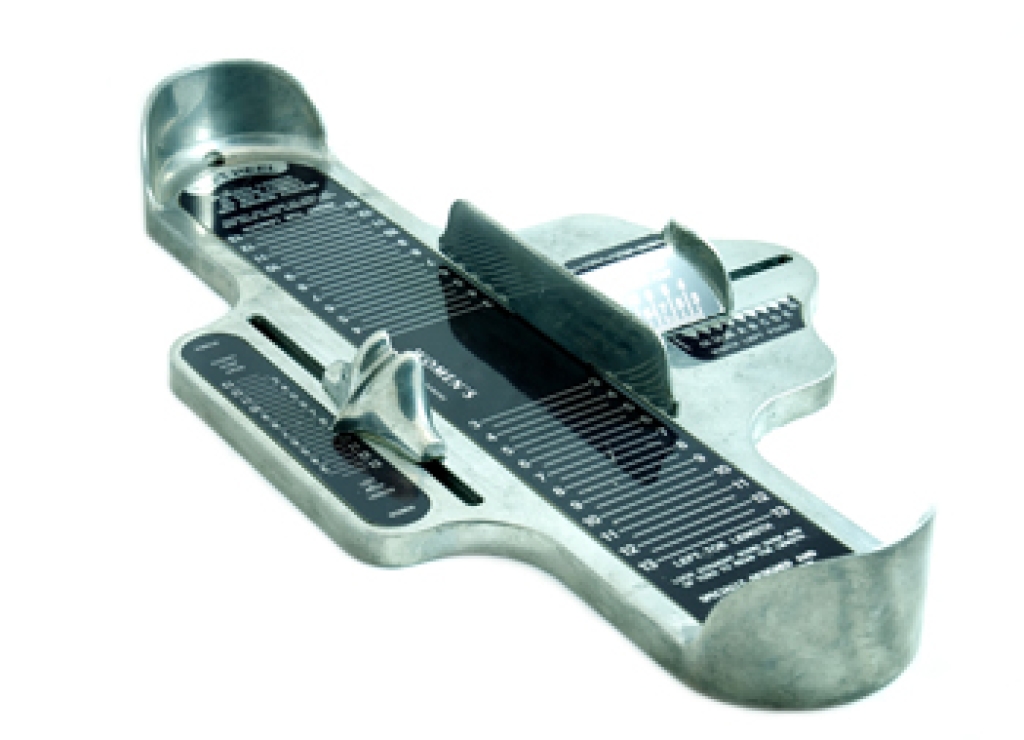
When purchasing shoes, it’s important to make sure you choose the correct size shoe by figuring out the accurate length and width of your foot. This can be found by measuring your foot at the end of the day when the feet are at their largest. It would also be beneficial to wear the same or similar socks while trying shoes on, as this may help to ensure a proper fit. Many shoe stores have a measuring tool that is known as a Brannock device, which can help to determine the correct size of your foot. Some patients prefer to stand on a piece of paper while tracing their feet. Both feet are rarely the same size, and it is suggested to use the size of the larger foot. It is beneficial to choose a style shoe that fits comfortably when tried on and to avoid shoes that have to be broken in. If you would like additional information about how to determine your correct shoe size, please consult with a podiatrist.

Getting the right shoe size is an important part of proper foot health. Seek the assistance of one of our podiatrists from Pennsylvania Foot & Ankle. Our doctors will provide the care you need to keep you pain-free and on your feet.

Getting the Right Shoe Size

There are many people who wear shoes that are the incorrect size, negatively affecting their feet and posture. Selecting the right shoes is not a difficult process, so long as you keep several things in mind when it comes to choosing the right pair.

  • When visiting the shoe store, use the tools available to measure your foot.
  • Be sure there is ‘wiggle room’. There should be about an inch between your toes and the tip of your shoes.
  • Do not always assume you are the same size, as manufacturers run differently.
  • Purchase shoes later in the day, as your feet swell as the day progresses.
  • If a shoe is not comfortable, it is not suitable. Most shoes can’t be ‘broken in’, and comfort should be the ultimate goal when it comes to choosing the right pair of shoes

As our feet hold our body weight and keep us moving, it is important to treat them right. Picking the right pair of shoes can provide your feet comfort and mobility without pain.

If you have any questions, please feel free to contact one of our offices located in Bensalem, Philadelphia, Northeast Philadelphia, Yardley, PA, and Hamilton, NJ . We offer the newest diagnostic and treatment technologies for all your foot care needs.

Read more about Getting the Right Shoe Size

Daily Foot Care for Diabetic Patients

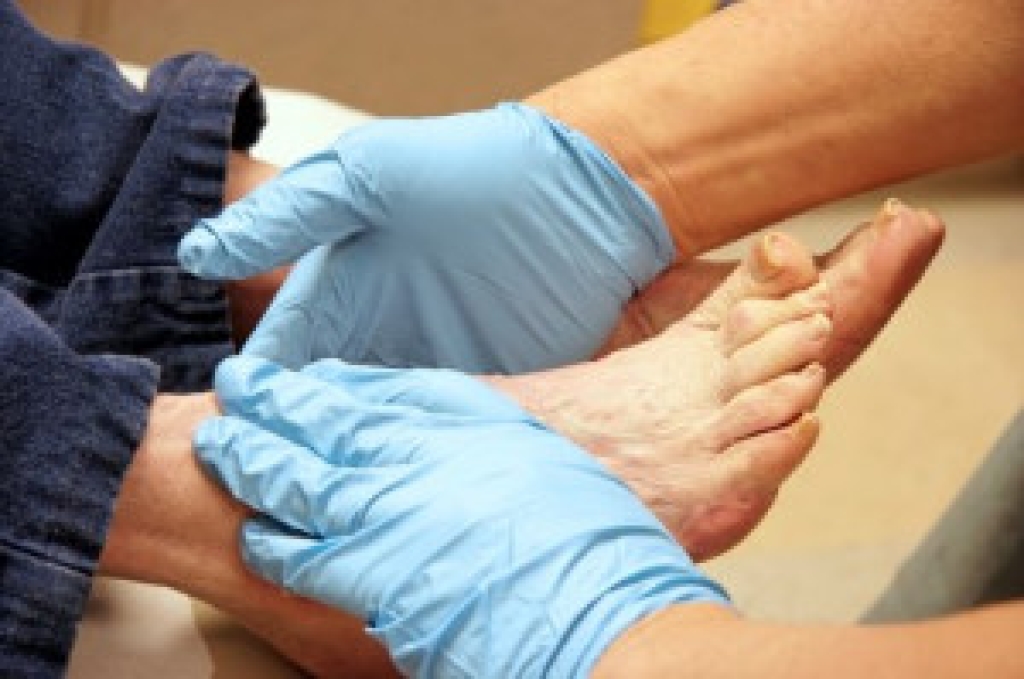
Many patients who are diabetic understand the importance of maintaining proper foot care. Diabetes can cause neuropathy, which can lead to the inability to feel cuts and bruises on the feet. It is beneficial to perform daily foot checks that include noticing any abnormalities of the feet, ensuring the feet stay clean, and trimming the toenails correctly. Research has indicated that it can be wise to avoid walking barefoot, in addition to wearing shoes that are specifically made for diabetic patients. When the legs are refrained from being crossed for long periods of time, blood flow may be increased. It is beneficial to practice simple foot stretches during the course of the day, which can consist of flexing the ankles, and wiggling the toes. It is strongly suggested that people who have diabetes are under the care of a podiatrist who can effectively manage this condition.

Diabetic foot care is important in preventing foot ailments such as ulcers. If you are suffering from diabetes or have any other concerns about your feet, contact one of our podiatrists from Pennsylvania Foot & Ankle. Our doctors can provide the care you need to keep you pain-free and on your feet.

Diabetic Foot Care

Diabetes affects millions of people every year. The condition can damage blood vessels in many parts of the body, especially the feet. Because of this, taking care of your feet is essential if you have diabetes, and having a podiatrist help monitor your foot health is highly recommended.

The Importance of Caring for Your Feet

  • Routinely inspect your feet for bruises or sores.
  • Wear socks that fit your feet comfortably.
  • Wear comfortable shoes that provide adequate support.

Patients with diabetes should have their doctor monitor their blood levels, as blood sugar levels play such a huge role in diabetic care. Monitoring these levels on a regular basis is highly advised.

It is always best to inform your healthcare professional of any concerns you may have regarding your feet, especially for diabetic patients. Early treatment and routine foot examinations are keys to maintaining proper health, especially because severe complications can arise if proper treatment is not applied.

If you have any questions, please feel free to contact one of our offices located in Bensalem, Philadelphia, Northeast Philadelphia, Yardley, PA, and Hamilton, NJ . We offer the newest diagnostic and treatment technologies for all your foot care needs.

Read more about Diabetic Foot Care

It's Time for Beautiful Feet

You don't need an excuse to have beautiful nails. Step outside without worrying about the appearance of your feet.

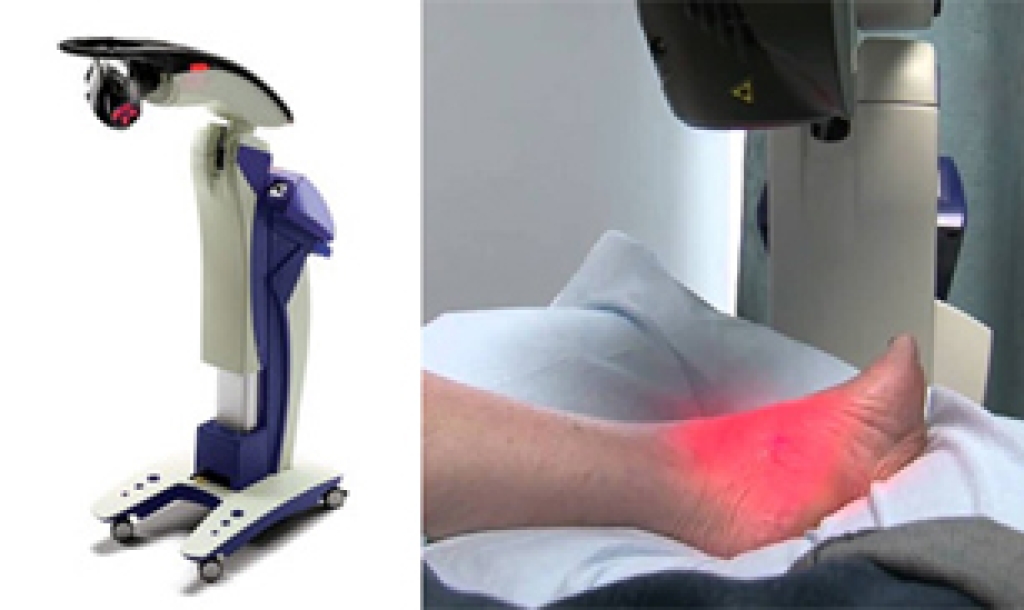
Shockwave Therapy May Help Chronic Foot Conditions

There are foot conditions that can benefit from having shockwave therapy performed. These ailments can include plantar fasciitis, bunions, and Achilles tendonitis. It is a procedure that may be able to accelerate the healing process, as the damaged tissue is regenerated. It is applied to the affected area by strong energy pulses, which can stimulate a healing response in the tissues. During this non-invasive procedure, anesthesia is not required, and the healing process is typically faster and easier. If you suffer from chronic foot pain, it is strongly suggested that you seek the advice of a podiatrist who can discuss shockwave therapy treatment with you.

Shockwave therapy is a treatment commonly used to treat various injuries and conditions, particularly plantar fasciitis in the feet. To learn more, consult with one of our podiatrists from Pennsylvania Foot & Ankle. Our doctors can provide the care you need to keep you pain-free and on your feet.

Shockwave Therapy

Shockwave therapy is a new treatment option designed to treat bone conditions such as tennis elbow, shoulder pain, and others. Shockwave therapy uses high intensity sound waves that are directed to the affected tissues of the body with pinpoint accuracy. The effects are very beneficial, leading to a production of collagen fibers, eliminating inflammation.

Who Benefits from Shockwave?

Shockwave is recommended for patients suffering from heel pain and associated problems. Heel pain is a common condition which can be caused by obesity, overexertion, and spending a substantial amount of time on hard floors with your feet exposed and unsupported.

Fast and Easy

The therapy is actually a simple process that can leave patients feeling better the very next day. Shockwave therapy is not as dramatic as it sounds. It enables more blood flow to effected areas, addressing the source of the problem and allowing treatment to last for a long time.

Treatment & Recovery Time

Shockwave treatment will enable your feet to recover quickly. This is especially important since surgery is not required. It is cost effective and does not require the use of anesthesia. This treatment is a better option to surgery, since it is proven safe.

If you have any questions, please feel free to contact one of our offices located in Bensalem, Philadelphia, Northeast Philadelphia, Yardley, PA, and Hamilton, NJ . We offer the newest diagnostic and treatment technologies for all your foot care needs.

Read more about Treating Heel Pain with Shockwave Therapy

Possible Reasons Gout Attacks Can Occur

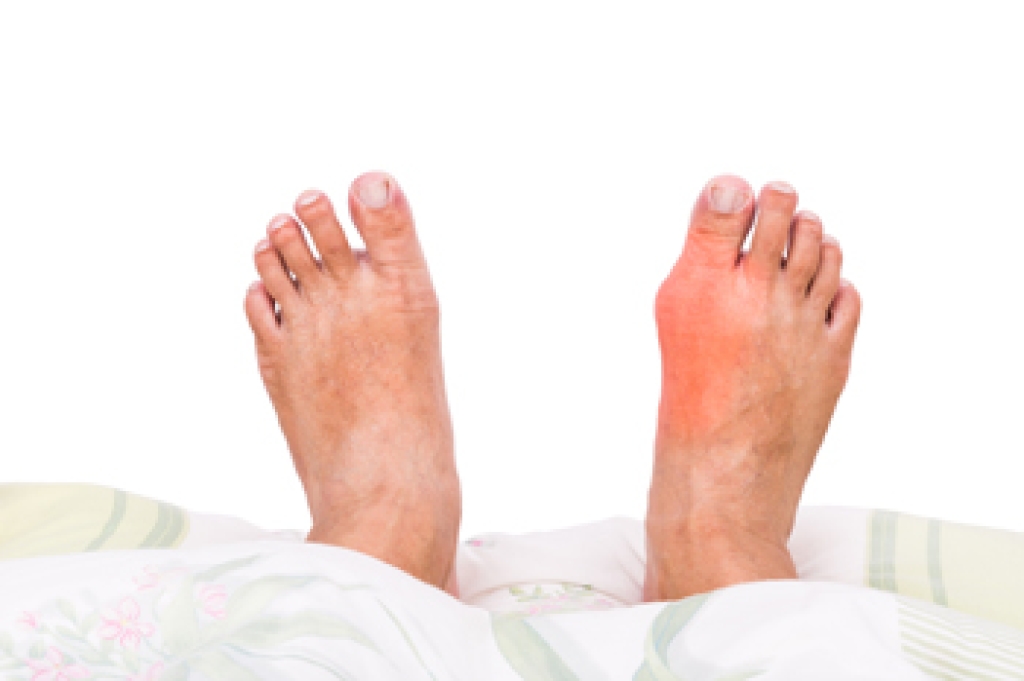
One form of inflammatory arthritis is known as gout. This condition often causes severe pain and discomfort in the big toe and surrounding area, and it may be difficult to accomplish daily activities. Many patients experience gout attacks that occur suddenly, and can last for several days. This condition happens as a result of excess uric acid in the bloodstream, and can be caused by a variety of reasons. These can include genetic factors, eating foods that have high purine levels, and being overweight. Some of the symptoms that are associated with this ailment can include debilitating pain and swelling surrounding the big toe, and the impacted area may be red and tender when touched. Gout may be controlled by eating healthy foods, and taking specific medications that may relieve a portion of the pain. If you are afflicted with gout, it is strongly suggested that you are under the care of a podiatrist.

Gout is a painful condition that can be treated. If you are seeking treatment, contact one of our podiatrists from Pennsylvania Foot & Ankle. Our doctors will treat your foot and ankle needs.

What Is Gout?

Gout is a form of arthritis that is characterized by sudden, severe attacks of pain, redness, and tenderness in the joints. The condition usually affects the joint at the base of the big toe. A gout attack can occur at any random time, such as the middle of the night while you are asleep.

Symptoms

  • Intense Joint Pain - Usually around the large joint of your big toe, and it most severe within the first four to twelve hours
  • Lingering Discomfort - Joint discomfort may last from a few days to a few weeks
  • Inflammation and Redness -Affected joints may become swollen, tender, warm and red
  • Limited Range of Motion - May experience a decrease in joint mobility

Risk Factors

  • Genetics - If family members have gout, you’re more likely to have it
  • Medications - Diuretic medications can raise uric acid levels
  • Gender/Age - Gout is more common in men until the age of 60. It is believed that estrogen protects women until that point
  • Diet - Eating red meat and shellfish increases your risk
  • Alcohol - Having more than two alcoholic drinks per day increases your risk
  • Obesity - Obese people are at a higher risk for gout

Prior to visiting your podiatrist to receive treatment for gout, there are a few things you should do beforehand. If you have gout you should write down your symptoms--including when they started and how often you experience them, important medical information you may have, and any questions you may have. Writing down these three things will help your podiatrist in assessing your specific situation so that he or she may provide the best route of treatment for you.

If you have any questions, please feel free to contact one of our offices located in Bensalem, Philadelphia, Northeast Philadelphia, Yardley, PA, and Hamilton, NJ . We offer the newest diagnostic and treatment technologies for all your foot care needs.

Read more about Gout

How Can an Achilles Tendon Injury Occur?

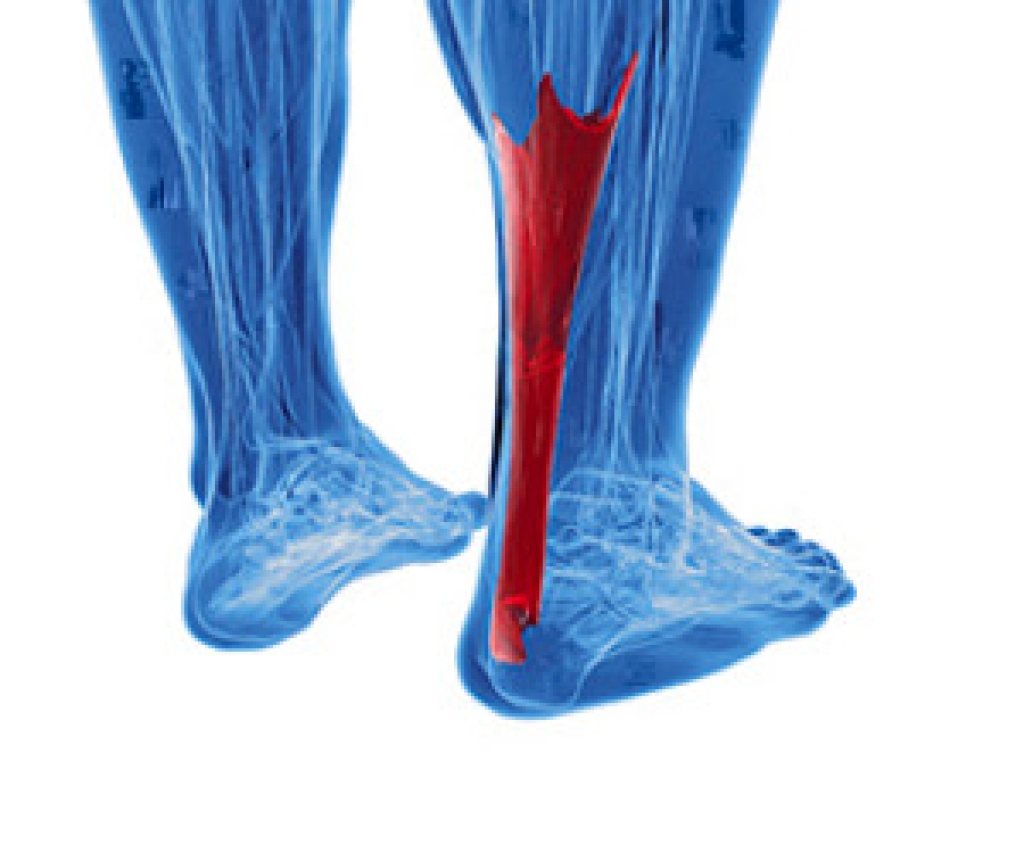
The tissue that connects the heel to the calf muscles is referred to as the Achilles tendon. This tendon is responsible for the ability to walk, run, and jump, and these activities may be difficult to perform if it becomes injured or torn. This type of injury can occur as a result of exercising on an uneven surface or from wearing shoes that do not fit properly. Additionally, if the calf muscles are tight, the Achilles tendon may endure stress, and this can possibly lead to a rupture. Common symptoms many patients experience can  include severe pain in the calf difficulty in pointing and flexing the affected foot. If you have endured an injury to the Achilles tendon, it is advised that you consult with a podiatrist who can help you with proper treatment options.

Achilles tendon injuries need immediate attention to avoid future complications. If you have any concerns, contact one of our podiatrists of Pennsylvania Foot & Ankle. Our doctors can provide the care you need to keep you pain-free and on your feet.

What Is the Achilles Tendon?

The Achilles tendon is a tendon that connects the lower leg muscles and calf to the heel of the foot. It is the strongest tendon in the human body and is essential for making movement possible. Because this tendon is such an integral part of the body, any injuries to it can create immense difficulties and should immediately be presented to a doctor.

What Are the Symptoms of an Achilles Tendon Injury?

There are various types of injuries that can affect the Achilles tendon. The two most common injuries are Achilles tendinitis and ruptures of the tendon.

Achilles Tendinitis Symptoms

  • Inflammation
  • Dull to severe pain
  • Increased blood flow to the tendon
  • Thickening of the tendon

Rupture Symptoms

  • Extreme pain and swelling in the foot
  • Total immobility

Treatment and Prevention

Achilles tendon injuries are diagnosed by a thorough physical evaluation, which can include an MRI. Treatment involves rest, physical therapy, and in some cases, surgery. However, various preventative measures can be taken to avoid these injuries, such as:

  • Thorough stretching of the tendon before and after exercise
  • Strengthening exercises like calf raises, squats, leg curls, leg extensions, leg raises, lunges, and leg presses

If you have any questions please feel free to contact one of our offices located in Bensalem, Philadelphia, Northeast Philadelphia, Yardley, PA, and Hamilton, NJ . We offer the newest diagnostic tools and technology to treat your foot and ankle needs.

Read more about Achilles Tendon Injuries

Heel Pain Can Be Treated!

Do you suffer from heel pain when you get up in the morning? If so, you should seek professional help and have a proper diagnosis performed. Heel pain can be caused by several different foot-related conditions.

How to Find Mild Relief From Cracked Heels

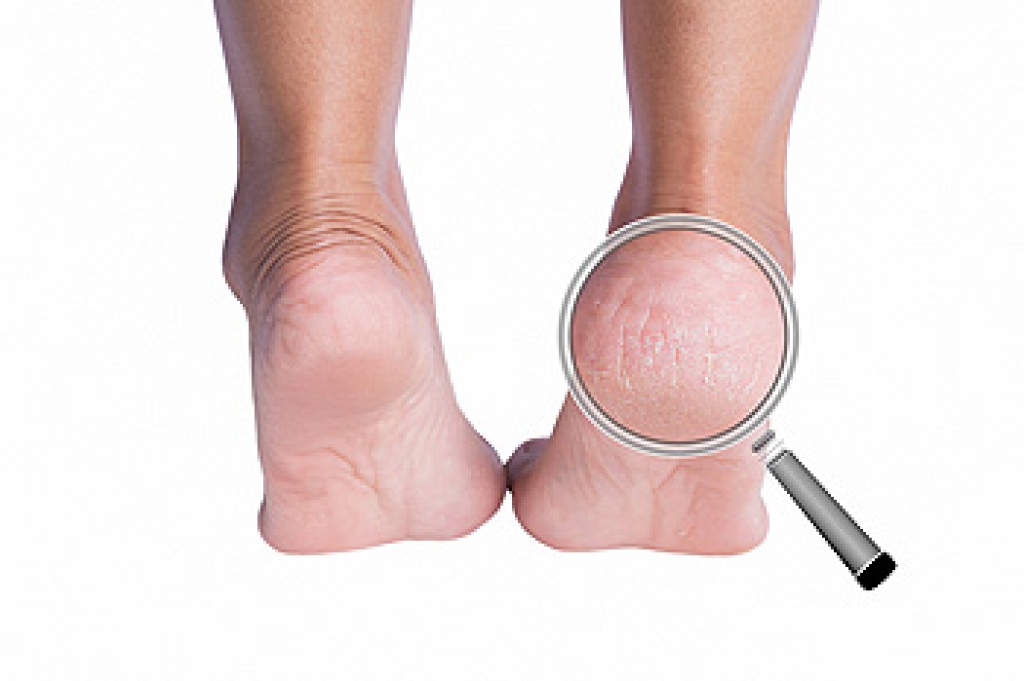
The ailment that is known as cracked heels develops as a result of a lack of moisture in the skin. This can happen for a variety of reasons. These may include having specific medical conditions, wearing shoes that have an open back, and standing for long periods of time throughout the day. Fissures in the heel can often feel better when the impacted foot is soaked in warm water, followed by applying a good moisturizer. In severe cases, the cracks in the skin may bleed, and prompt treatment is recommended. If you have developed cracked heels, it is strongly suggested that you consult with a podiatrist who can help you to manage this condition.

Cracked heels are unsightly and can cause further damage to your shoes and feet. If you have any concerns, contact one of our podiatrists from Pennsylvania Foot & Ankle. Our doctors can provide the care you need to keep you pain-free and on your feet.

Cracked Heels

Cracked heels appear unappealing and can make it harder for you walk around in sandals. Aside from looking unpleasant, cracked heels can also tear stockings, socks, and wear out your shoes. There are several methods to help restore a cracked heel and prevent further damage.

How Do You Get Them?

Dry skin is the number one culprit in creating cracked heels. Many athletes, walkers, joggers, and even swimmers suffer from cracked heels. Age and skin oil production play a role to getting cracked heels as well.

Promote Healing

Over the counter medicines can help, especially for those that need instant relief or who suffer from chronic dry feet.

Wear Socks – Wearing socks with medicated creams helps lock in moisture.

Moisturizers – Applying both day and night will help alleviate dryness which causes cracking.

Pumice Stones – These exfoliate and remove dead skin, which allows for smoother moisturizer application and better absorption into the skin. 

Change in Diet

Eating healthy with a well-balanced diet will give the skin a fresh and radiant look. Your body responds to the kinds of food you ingest. Omega-3 fatty acids and zinc supplements can also revitalize skin tissue.

Most importantly, seek professional help if unsure how to proceed in treating cracked heels. A podiatrist will help you with any questions or information needed. 

If you have any questions, please feel free to contact one of our offices located in Bensalem, Philadelphia, Northeast Philadelphia, Yardley, PA, and Hamilton, NJ . We offer the newest diagnostic and treatment technologies for all your foot care needs.

Read more about Solutions for Cracked Heels

Can Shoes Cause an Ingrown Toenail to Develop?

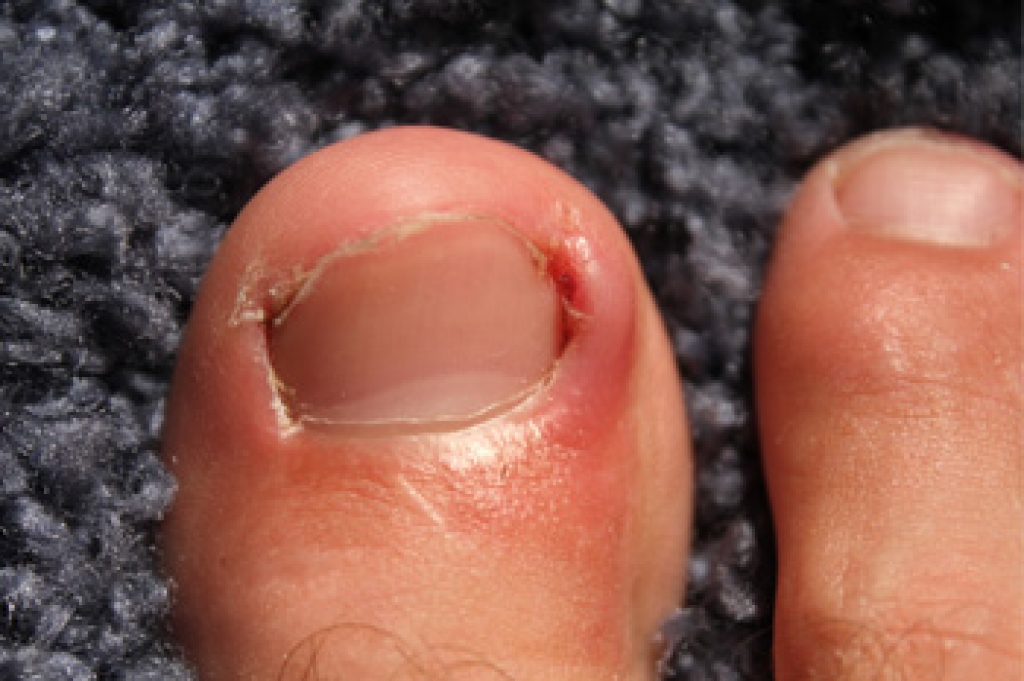
A common cause of ingrown toenails is wearing shoes that do not fit correctly. This condition can develop as a result of wearing certain types of shoes that do not have adequate room for the toes to move freely in. An ingrown toenail is defined as a nail that grows into the outer edges of the skin, and can generally cause pain and discomfort. Additional symptoms can include redness, swelling, and pus that may drain from an infected toenail. Moderate relief can be found when the impacted foot is soaked in warm water, which typically helps to soften the skin. It is beneficial to protect the nail by placing a bandage over it as daily activities are completed. If you notice signs of an ingrown toenail, please consult with a podiatrist who can offer correct treatment methods.

Ingrown toenails can become painful if they are not treated properly. For more information about ingrown toenails, contact one of our podiatrists of Pennsylvania Foot & Ankle. Our doctors can provide the care you need to keep you pain-free and on your feet.

Ingrown Toenails

Ingrown toenails occur when a toenail grows sideways into the bed of the nail, causing pain, swelling, and possibly infection.

Causes

  • Bacterial infections
  • Improper nail cutting such as cutting it too short or not straight across
  • Trauma to the toe, such as stubbing, which causes the nail to grow back irregularly
  • Ill-fitting shoes that bunch the toes too close together
  • Genetic predisposition

Prevention

Wearing proper fitting shoes and using proper cutting techniques will also help decrease your risk of developing ingrown toenails.

Treatment

Ingrown toenails are a very treatable foot condition. In minor cases, soaking the affected area in salt or antibacterial soaps will not only help with the ingrown nail itself, but also help prevent any infections from occurring. In more severe cases, surgery is an option. In either case, speaking to your podiatrist about this condition will help you get a better understanding of specific treatment options that are right for you.

If you have any questions, please feel free to contact one of our offices located in Bensalem, Philadelphia, Northeast Philadelphia, Yardley, PA, and Hamilton, NJ . We offer the newest diagnostic and treatment technologies for all your foot care needs.

Read more about Ingrown Toenail Care

Connect With Us