
Suffering from this type of pain? You may have the foot condition known as Morton's neuroma. Morton's neuroma may develop as a result of ill-fitting footwear and existing foot deformities. We can help.
Suffering from this type of pain? You may have the foot condition known as Morton's neuroma. Morton's neuroma may develop as a result of ill-fitting footwear and existing foot deformities. We can help.

Ankle sprains come in various forms, each accompanied by distinct symptoms that highlight the complexity of this injury. The lateral ankle sprain is the most common, occurring when the foot turns inward,which stretches or tears the ligaments on the outer side of the ankle. Individuals experiencing a lateral sprain may encounter pain, swelling, and difficulty bearing weight on the affected foot. Medial ankle sprains, less frequent but equally impactful, involve damage to the ligaments on the inner side of the ankle, often leading to tenderness and swelling. High ankle sprains affect the ligaments that connect the tibia and fibula, causing pain above the ankle and potentially affecting stability. Regardless of the type of sprain, common symptoms include bruising, limited range of motion, and a feeling of instability. If you have endured an ankle sprain, it is suggested that you visit a podiatrist who can determine which type it is and offer appropriate treatment solutions.
Ankle sprains are common but need immediate attention. If you need your feet checked, contact one of our podiatrists from Pennsylvania Foot & Ankle. Our doctors can provide the care you need to keep you pain-free and on your feet.
How Does an Ankle Sprain Occur?
Ankle sprains take place when the ligaments in your ankle are torn or stretched beyond their limits. There are multiple ways that the ankle can become injured, including twisting or rolling over onto your ankle, putting undue stress on it, or causing trauma to the ankle itself.
What Are the Symptoms?
Preventing a Sprain
Treatment of a Sprain
Treatment of a sprain depends on the severity. Many times, people are told to rest and remain off their feet completely, while others are given an air cast. If the sprain is very severe, surgery may be required.
If you have suffered an ankle sprain previously, you may want to consider additional support such as a brace and regular exercises to strengthen the ankle.
If you have any questions please feel free to contact one of our offices located in Bensalem, Philadelphia, Northeast Philadelphia, Yardley, PA, and Hamilton, NJ . We offer the newest diagnostic tools and technology to treat your foot and ankle needs.
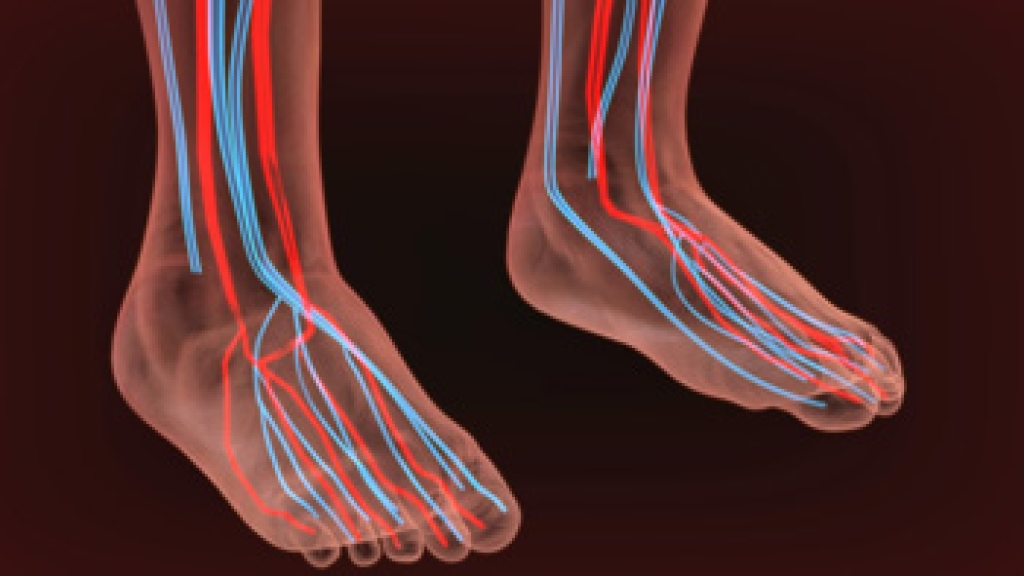
Poor circulation in the feet can manifest in various ways, serving as a silent signal of underlying health issues. One may notice a persistent tingling sensation or numbness, indicating compromised blood flow to the extremities. Swelling and discoloration, particularly a bluish or pale tint, are common signs as well. The skin might feel unusually cool to the touch, betraying a lack of proper blood circulation. Fatigue and weakness in the legs can also be attributed to reduced blood flow, impacting the muscles. Cramping and aching sensations may accompany these symptoms, often exacerbated during physical activity. Slow healing wounds and ulcers on the feet are red flags, as compromised circulation hampers the body's ability to repair itself. It is essential to pay attention to these subtleties, as they may signify an underlying vascular issue, emphasizing the importance of seeking timely medical evaluation from a podiatrist. If you have symptoms of poor circulation in your feet, it is suggested that you contact a podiatrist who can help you to manage this condition.
Poor circulation is a serious condition and needs immediate medical attention. If you have any concerns with poor circulation in your feet contact one of our podiatrists of Pennsylvania Foot & Ankle. Our doctors will treat your foot and ankle needs.
Poor Circulation in the Feet
Poor blood circulation in the feet and legs is can be caused by peripheral artery disease (PAD), which is the result of a buildup of plaque in the arteries.
Plaque buildup or atherosclerosis results from excess calcium and cholesterol in the bloodstream. This can restrict the amount of blood which can flow through the arteries. Poor blood circulation in the feet and legs are sometimes caused by inflammation in the blood vessels, known as vasculitis.
Causes
Lack of oxygen and oxygen from poor blood circulation restricts muscle growth and development. It can also cause:
Those who have diabetes or smoke are at greatest risk for poor circulation, as are those who are over 50. If you have poor circulation in the feet and legs it may be caused by PAD and is important to make changes to your lifestyle in order to reduce risk of getting a heart attack or stroke. Exercise and maintaining a healthy lifestyle will dramatically improve conditions.
As always, see a podiatrist as he or she will assist in finding a regimen that suits you. A podiatrist can also prescribe you any needed medication.
If you have any questions, please feel free to contact one of our offices located in Bensalem, Philadelphia, Northeast Philadelphia, Yardley, PA, and Hamilton, NJ . We offer the newest diagnostic and treatment technologies for all your foot care needs.
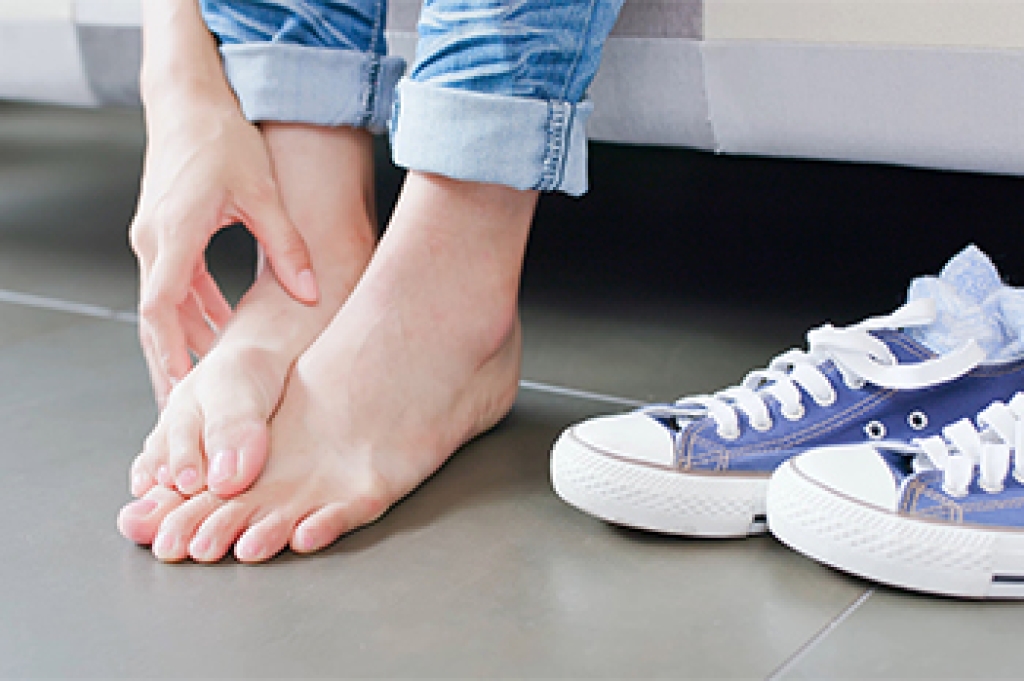
Athlete's foot, a common fungal infection, unveils a set of unmistakable symptoms that can cause considerable discomfort. The most prevalent sign is persistent itching, often concentrated between the toes. This itching is accompanied by redness and a burning sensation, creating an overall sense of irritation. The skin may peel, crack, or exhibit a scaly appearance, particularly on the soles of the feet. Blisters may also develop, adding another layer of discomfort to this fungal predicament. Foul odor emanating from the infected feet is not uncommon, as the fungus thrives in warm, moist environments. Athlete's foot can spread to the toenails, causing them to thicken and become discolored. Recognizing these symptoms is essential for seeking timely intervention. If you have developed athlete’s foot, it is strongly suggested that you contact a podiatrist. This type of doctor can offer you correct treatment solutions, which may include prescribed medicine.
Athlete’s Foot
Athlete’s foot is often an uncomfortable condition to experience. Thankfully, podiatrists specialize in treating athlete’s foot and offer the best treatment options. If you have any questions about athlete’s foot, consult with one of our podiatrists from Pennsylvania Foot & Ankle. Our doctors will assess your condition and provide you with quality treatment.
What Is Athlete’s Foot?
Tinea pedis, more commonly known as athlete’s foot, is a non-serious and common fungal infection of the foot. Athlete’s foot is contagious and can be contracted by touching someone who has it or infected surfaces. The most common places contaminated by it are public showers, locker rooms, and swimming pools. Once contracted, it grows on feet that are left inside moist, dark, and warm shoes and socks.
Prevention
The most effective ways to prevent athlete’s foot include:
Symptoms
Athlete’s foot initially occurs as a rash between the toes. However, if left undiagnosed, it can spread to the sides and bottom of the feet, toenails, and if touched by hand, the hands themselves. Symptoms include:
Diagnosis and Treatment
Diagnosis is quick and easy. Skin samples will be taken and either viewed under a microscope or sent to a lab for testing. Sometimes, a podiatrist can diagnose it based on simply looking at it. Once confirmed, treatment options include oral and topical antifungal medications.
If you have any questions, please feel free to contact one of our offices located in Bensalem, Philadelphia, Northeast Philadelphia, Yardley, PA, and Hamilton, NJ . We offer the newest diagnostic and treatment technologies for all your foot care needs.

Plantar warts are small growths that develop on parts of the feet that bear weight. They're typically found on the bottom of the foot. Don't live with plantar warts, and call us today!
Connect With Us
