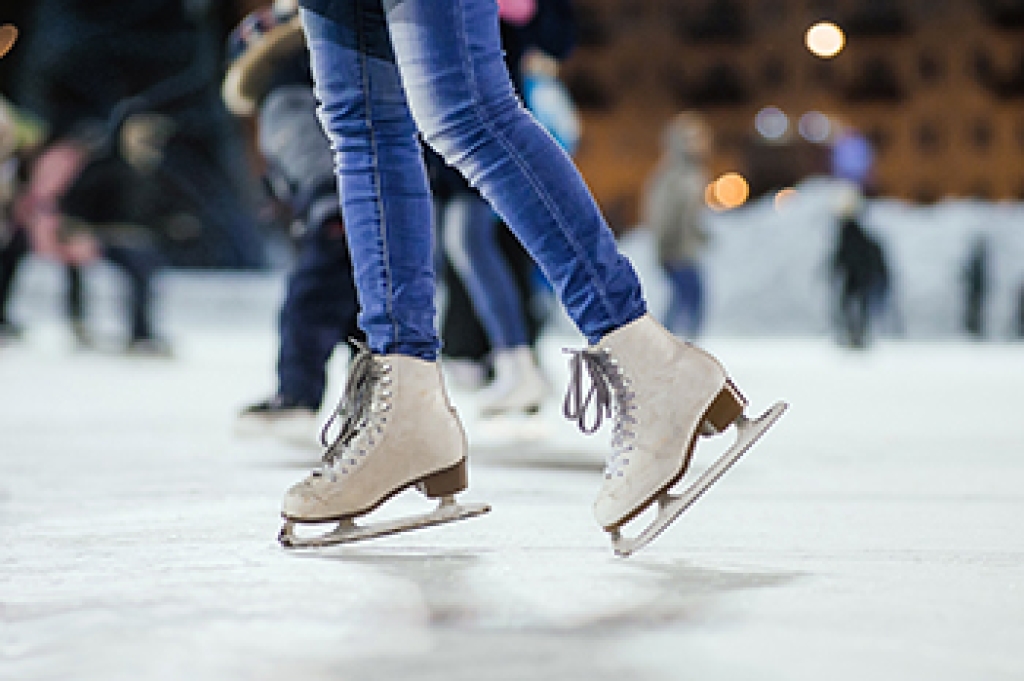
Ankle Pain in Ice Skating

Ankle pain is common among ice skaters due to abrupt starts and stops, repetitive movements, and long hours spent on the ice. These actions place continuous stress on the ankle joints and surrounding muscles, which can lead to inflammation and discomfort. Prevention begins with using properly fitting skates that offer the right degree of flexibility to support the ankle without restricting natural movement. Strengthening and stretching exercises also help improve stability and reduce strain during skating sessions. A podiatrist can assess ankle alignment, identify overuse issues, and recommend custom supports or treatment to relieve pain and prevent further injury. If you have sustained an ankle injury from ice skating, it is suggested that you consult a podiatrist who can offer effective relief, treatment and prevention tips. 

Sports related foot and ankle injuries require proper treatment before players can go back to their regular routines. For more information, contact one of our podiatrists of Pennsylvania Foot & Ankle. Our doctors can provide the care you need to keep you pain-free and on your feet.

Sports Related Foot and Ankle Injuries

Foot and ankle injuries are a common occurrence when it comes to athletes of any sport. While many athletes dismiss the initial aches and pains, the truth is that ignoring potential foot and ankle injuries can lead to serious problems. As athletes continue to place pressure and strain the area further, a mild injury can turn into something as serious as a rupture and may lead to a permanent disability. There are many factors that contribute to sports related foot and ankle injuries, which include failure to warm up properly, not providing support or wearing bad footwear. Common injuries and conditions athletes face, including:

  • Plantar Fasciitis
  • Achilles Tendinitis
  • Achilles Tendon Rupture
  • Ankle Sprains

Sports related injuries are commonly treated using the RICE method. This includes rest, applying ice to the injured area, compression and elevating the ankle. More serious sprains and injuries may require surgery, which could include arthroscopic and reconstructive surgery. Rehabilitation and therapy may also be required in order to get any recovering athlete to become fully functional again. Any unusual aches and pains an athlete sustains must be evaluated by a licensed, reputable medical professional.

If you have any questions please contact one of our offices located in Bensalem, Philadelphia, Northeast Philadelphia, Yardley, PA, and Hamilton, NJ . We offer the newest diagnostic and treatment technologies for all your foot and ankle needs.

Read more about Sports Related Foot And Ankle Injuries

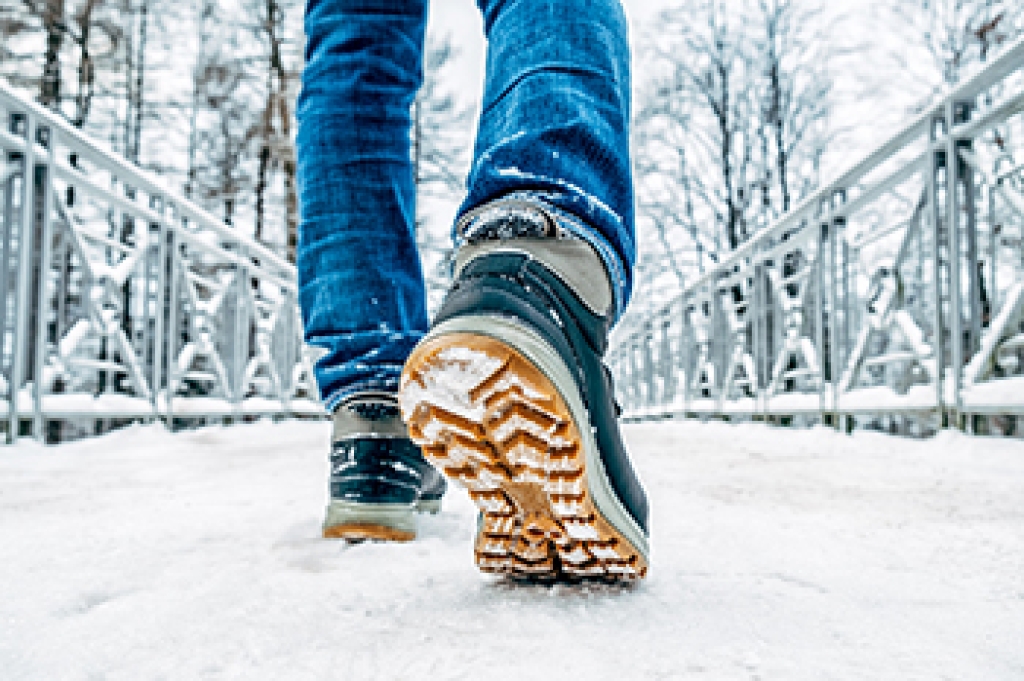
The Importance of Wearing the Right Shoes for Cold Weather Work

Wearing the right shoes while working in the cold weather is essential for protecting your feet, maintaining comfort, and preventing injury. Wool sneakers or high-top shoes provide warmth and flexibility, keeping feet insulated while allowing natural movement. Leather boots offer durability, support, and water resistance, making them ideal for demanding tasks in snowy or wet conditions. For active winter days, lightweight shoes with good traction provide comfort and help prevent slips or falls. Wearing proper footwear also supports circulation and reduces the risk of frostbite or cold-related discomfort. A podiatrist can assess your foot structure, recommend the best shoes for your work environment, and provide guidance to prevent cold-weather foot problems. If you have foot pain from wearing the wrong shoes for the environment during your workday, it is suggested that you schedule a visit with a podiatrist who can offer effective relief tips and guide you on the correct shoes to wear.

While working on the feet, it is important to take the proper care of them. For more information about working on your feet, contact one of our podiatrists from Pennsylvania Foot & Ankle. Our doctors will treat your foot and ankle needs.

Working on Your Feet

Standing on your feet for long periods of time can cause stress and pain in your feet. Your whole body may experience change in terms of posture, back pain, bunions, callouses and or plantar warts. There are ways to avoid these conditions with proper foot care, smart choices and correct posture.

Positive Changes

Negative heeled shoe – Choosing this shoe type places the heel slightly lower than the ball of the foot. These are great for overall foot health. Find shoes that fit you correctly.

Go barefoot – Our feet were not designed to be enclosed for all hours of the day. Try to periodically expose your feet to air.

Eliminate Pain

Foot Exercises – Performing simple exercises, incorporating yoga and doing stretches are beneficial. This will allow increased blood flow to the area and muscles of the foot.

Achilles tendon – Stretching the foot out flat on the floor will relax the calf muscles and tendon. These exercises can be performed almost anywhere. Make sure you add these exercises to your daily regimen. 

With a little bit of this information and knowing more about foot health, you will notice changes. Foot stretches and proper footwear will help with pain and prevent further issues.

If you have any questions please contact one of our offices located in Bensalem, Philadelphia, Northeast Philadelphia, Yardley, PA, and Hamilton, NJ . We offer the newest diagnostic and treatment technologies for all your foot and ankle needs.

Read more about How to Handle a Long Work Day on Your Feet

Plantar Warts Can Be Treated!

Plantar warts are small growths that develop on parts of the feet that bear weight. They're typically found on the bottom of the foot. Don't live with plantar warts, and call us today!

How a Podiatrist Provides Relief for Foot and Ankle Conditions

A podiatrist is a medical specialist who diagnoses and treats conditions affecting the feet and ankles. They provide care for issues such as diabetic foot complications, heel pain, bunions, nail disorders, and create custom orthotics to improve comfort and mobility. Podiatrists are also trained in foot and ankle surgery when conservative treatments are not effective. During an initial consultation, this type of doctor can perform a physical exam, review medical history, and may use imaging tests to make an accurate diagnosis. A personalized treatment plan is then developed to relieve pain and restore function. If you have developed a foot condition, it is suggested that you consult a podiatrist who can provide the treatment that is best for you.

If you are experiencing pain in the feet or ankles, don’t join the stubborn majority refusing treatment. Feel free to contact one of our podiatrists from Pennsylvania Foot & Ankle. Our doctors can provide the care you need to keep you pain-free and on your feet.

What Is a Podiatrist?

Someone would seek the care of a podiatrist if they have suffered a foot injury or have common foot ailments such as heal spurs, bunions, arch problems, deformities, ingrown toenails, corns, foot and ankle problems, etc.

Podiatric Treatment

A podiatrist will treat the problematic areas of the feet, ankle or lower leg by prescribing the following:

  • Physical therapy
  • Drugs
  • Orthotic inserts or soles
  • Surgery on lower extremity fractures

A common podiatric procedure a podiatrist will use is a scanner or force plate which will allow the podiatrist to know the designs of orthotics. Patients are then told to follow a series of tasks to complete the treatment. The computer will scan the foot a see which areas show weight distribution and pressure points. The podiatrist will read the analysis and then determine which treatment plans are available.

If you have any questions, please feel free to contact one of our offices located in Bensalem, Philadelphia, Northeast Philadelphia, Yardley, PA, and Hamilton, NJ . We offer the newest diagnostic and treatment technologies for all your foot care needs.

Read more about What is a Podiatrist?

Common Causes of Heel Pain You Should Not Ignore

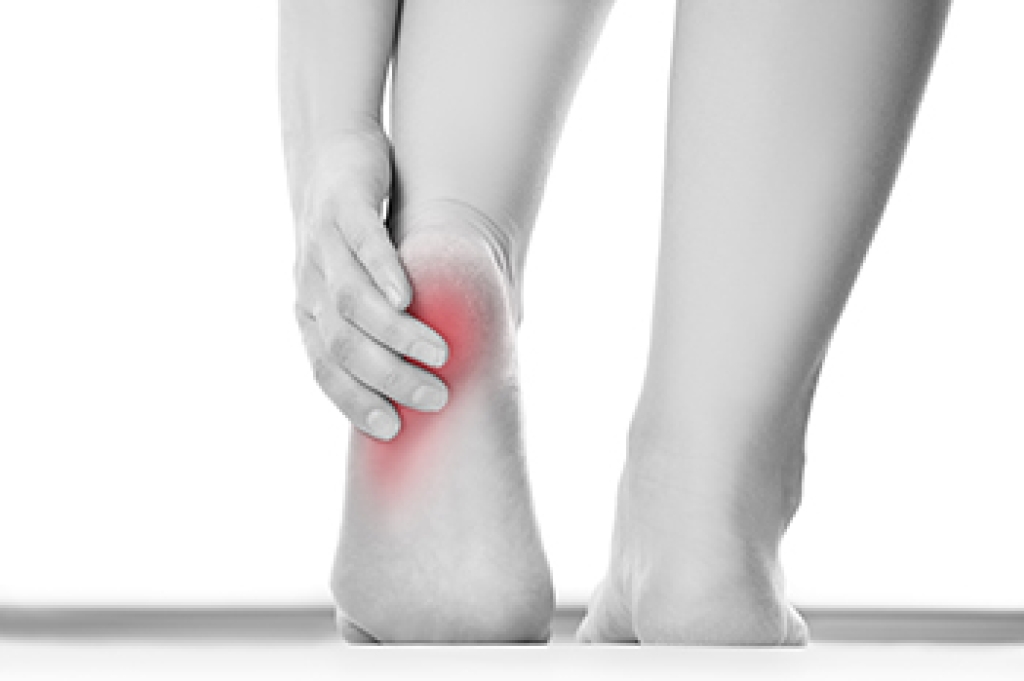
Heel pain is a frequent complaint often caused by plantar fasciitis or Achilles tendonitis. Plantar fasciitis involves inflammation of the thick band of tissue along the bottom of the foot, leading to sharp pain near the heel, especially with the first steps in the morning. Achilles tendonitis affects the tendon at the back of the heel, resulting in aching or stiffness that worsens with activity. Both conditions are commonly caused by overuse, wearing improper footwear, tight calf muscles, or sudden increases in physical activity. The heel may appear swollen, tender, or warm to the touch. Pain may range from mild discomfort to severe limitation in walking or exercise. A podiatrist can evaluate your condition through a physical examination, a review of your activity history, and imaging studies, if needed. Treatment may include stretching exercises, orthotics, anti-inflammatory medications, and changes in footwear. It is suggested that you schedule an appointment with a podiatrist if heel pain continues or worsens.

Many people suffer from bouts of heel pain. For more information, contact one of our podiatrists of Pennsylvania Foot & Ankle. Our doctors can provide the care you need to keep you pain-free and on your feet.

Causes of Heel Pain

Heel pain is often associated with plantar fasciitis. The plantar fascia is a band of tissues that extends along the bottom of the foot. A rip or tear in this ligament can cause inflammation of the tissue.

Achilles tendonitis is another cause of heel pain. Inflammation of the Achilles tendon will cause pain from fractures and muscle tearing. Lack of flexibility is also another symptom.

Heel spurs are another cause of pain. When the tissues of the plantar fascia undergo a great deal of stress, it can lead to ligament separation from the heel bone, causing heel spurs.

Why Might Heel Pain Occur?

  • Wearing ill-fitting shoes                
  • Wearing non-supportive shoes
  • Weight change           
  • Excessive running

Treatments

Heel pain should be treated as soon as possible for immediate results. Keeping your feet in a stress-free environment will help. If you suffer from Achilles tendonitis or plantar fasciitis, applying ice will reduce the swelling. Stretching before an exercise like running will help the muscles. Using all these tips will help make heel pain a condition of the past.

If you have any questions, please feel free to contact one of our offices located in Bensalem, Philadelphia, Northeast Philadelphia, Yardley, PA, and Hamilton, NJ . We offer the newest diagnostic and treatment technologies for all your foot care needs.

Read more about Heel Pain

How to Prevent Foot Injuries While Running

Preventing foot injuries while running begins with choosing the right running shoes that support your foot type and absorb impact. Regularly replacing worn shoes is essential because old footwear loses stability and increases stress on your feet. Warming up before a run and cooling down afterward helps your muscles adapt safely to movement. Additionally, strengthening your toes and ankles with simple exercises such as toe curls improves stability and reduces the risk of strains. A podiatrist can assess your gait, recommend proper footwear, and create a personalized plan to keep you injury-free. If you have foot or ankle pain during or after running, it is suggested that you consult a podiatrist who can offer effective relief tips.

Exercising your feet regularly with the proper foot wear is a great way to prevent injuries. If you have any concerns about your feet, contact one of our podiatrists of Pennsylvania Foot & Ankle. Our doctors will treat your foot and ankle needs.

How to Prevent Running Injuries

Many common running injuries are caused by overuse and overtraining. When the back of the kneecap starts wearing out and starts causing pain in your knee, this is commonly referred to as runner’s knee. Runner’s knee is a decrease in strength in your quadriceps and can occur if you’re not wearing properly fitted or supporting shoes. To prevent runner’s knee, focusing on hip strengthening is a good idea, as well as strengthening your quads to keep the kneecaps aligned.

What Are Some Causes of Running Injuries? 
- One cause of a common running injury is called iliotibial band syndrome.
- Plantar fasciitis is also another common injury.
- Stress fractures can occur from overtraining, lack of calcium, or even your running style.

Best Ways to Prevent Running Injuries
- Wear footwear that fits properly and suits your running needs.
- Running shoes are the only protective gear that runners have to safeguard them from injury.
- Make a training schedule. Adding strengthening exercises as well as regular stretching can help keep you strong and limber and can lessen the possibility of injuries.
- Stretching keeps muscles limber; this will help you gain better flexibility.

If you have any questions, please feel free to contact one of our offices located in Bensalem, Philadelphia, Northeast Philadelphia, Yardley, PA, and Hamilton, NJ . We offer the newest diagnostic and treatment technologies for all your foot care needs.

Read more about How to Prevent Running Injuries

Heel Pain From Plantar Fasciitis

Plantar fasciitis is one of the most common causes of heel pain. It happens when the thick band of tissue that connects the heel to the toes becomes irritated or strained. This band, called the plantar fascia, helps support the arch of the foot. When it becomes inflamed, it can cause sharp pain that is often worse first thing in the morning, or after long periods of inactivity. Anyone can develop plantar fasciitis, although it is more common in people who spend a lot of time on their feet, wear unsupportive shoes, or have flat feet or very high arches. While the condition can be stubborn, it often improves with proper treatment. Rest, targeted stretching exercises, supportive footwear, and custom orthotics may ease symptoms, and a podiatrist can recommend additional therapies, if needed. If heel pain is interfering with your daily life, it is suggested that you see a podiatrist for effective relief and treatment solutions.

Plantar fasciitis is a common foot condition that is often caused by a strain injury. If you are experiencing heel pain or symptoms of plantar fasciitis, contact one of our podiatrists from Pennsylvania Foot & Ankle. Our doctors can provide the care you need to keep you pain-free and on your feet.

What Is Plantar Fasciitis?

Plantar fasciitis is one of the most common causes of heel pain. The plantar fascia is a ligament that connects your heel to the front of your foot. When this ligament becomes inflamed, plantar fasciitis is the result. If you have plantar fasciitis you will have a stabbing pain that usually occurs with your first steps in the morning. As the day progresses and you walk around more, this pain will start to disappear, but it will return after long periods of standing or sitting.

What Causes Plantar Fasciitis?

  • Excessive running
  • Having high arches in your feet
  • Other foot issues such as flat feet
  • Pregnancy (due to the sudden weight gain)
  • Being on your feet very often

There are some risk factors that may make you more likely to develop plantar fasciitis compared to others. The condition most commonly affects adults between the ages of 40 and 60. It also tends to affect people who are obese because the extra pounds result in extra stress being placed on the plantar fascia.

Prevention

  • Take good care of your feet – Wear shoes that have good arch support and heel cushioning.
  • Maintain a healthy weight
  • If you are a runner, alternate running with other sports that won’t cause heel pain

There are a variety of treatment options available for plantar fasciitis along with the pain that accompanies it. Additionally, physical therapy is a very important component in the treatment process. It is important that you meet with your podiatrist to determine which treatment option is best for you.

If you have any questions, please feel free to contact one of our offices located in Bensalem, Philadelphia, Northeast Philadelphia, Yardley, PA, and Hamilton, NJ . We offer the newest diagnostic and treatment technologies for all your foot care needs.


Read more about Plantar Fasciitis

Common Causes and Locations of Foot Pain

Foot pain is a common issue that can affect people of all ages, and the causes can vary. One of the most common causes is plantar fasciitis, which results in pain at the bottom of the heel and arch, often felt during the first steps in the morning. Foot osteoarthritis can cause pain in the joints of the foot, particularly the big toe, leading to stiffness and swelling. Another cause is posterior tibial tendonitis, which affects the inner ankle and can radiate through the arch, leading to pain and difficulty with movement. Additionally, tarsal tunnel syndrome, caused by compression of the tibial nerve, results in pain, tingling, or numbness on the inside of the foot and ankle. If you have any type of foot pain, it is strongly suggested that you promptly contact a podiatrist who can accurately diagnose and treat various foot conditions. 

Foot Pain

Foot pain can be extremely painful and debilitating. If you have a foot pain, consult with one of our podiatrists from Pennsylvania Foot & Ankle. Our doctors will assess your condition and provide you with quality foot and ankle treatment.

Causes

Foot pain is a very broad condition that could be caused by one or more ailments. The most common include:

  • Bunions
  • Hammertoes
  • Plantar Fasciitis
  • Bone Spurs
  • Corns
  • Tarsal Tunnel Syndrome
  • Ingrown Toenails
  • Arthritis (such as Gout, Rheumatoid, and Osteoarthritis)
  • Flat Feet
  • Injury (from stress fractures, broken toe, foot, ankle, Achilles tendon ruptures, and sprains)
  • And more

Diagnosis

To figure out the cause of foot pain, podiatrists utilize several different methods. This can range from simple visual inspections and sensation tests to X-rays and MRI scans. Prior medical history, family medical history, and any recent physical traumatic events will all be taken into consideration for a proper diagnosis.

Treatment

Treatment depends upon the cause of the foot pain. Whether it is resting, staying off the foot, or having surgery; podiatrists have a number of treatment options available for foot pain.

If you have any questions, please feel free to contact one of our offices located in Bensalem, Philadelphia, Northeast Philadelphia, Yardley, PA, and Hamilton, NJ . We offer the newest diagnostic and treatment technologies for all your foot care needs.

Read more about Foot Pain

The Benefits of Wearing Shoes That Fit Properly

When shoes fit correctly, it can be easier to complete daily activities. Wearing the right shoes may be helpful in protecting the body from injury, and the feet will generally feel comfortable. This is a result of proper support and adequate cushioning in the shoes. Research has indicated that it is beneficial to purchase shoes in the afternoon, when the feet are typically at their largest. It is important to ensure the toes have ample room to move freely, in addition to making sure your heels do not slip in the shoe. The type of shoes that are worn can influence the way you walk, and may affect the arches, joints, and foot muscles. If you would like to know more information about how to purchase properly fitted shoes, it is suggested that you consult with a podiatrist. 

Getting the right shoe size is an important part of proper foot health. Seek the assistance of one of our podiatrists from Pennsylvania Foot & Ankle. Our doctors will provide the care you need to keep you pain-free and on your feet.

Getting the Right Shoe Size

There are many people who wear shoes that are the incorrect size, negatively affecting their feet and posture. Selecting the right shoes is not a difficult process, so long as you keep several things in mind when it comes to choosing the right pair.

  • When visiting the shoe store, use the tools available to measure your foot.
  • Be sure there is ‘wiggle room’. There should be about an inch between your toes and the tip of your shoes.
  • Do not always assume you are the same size, as manufacturers run differently.
  • Purchase shoes later in the day, as your feet swell as the day progresses.
  • If a shoe is not comfortable, it is not suitable. Most shoes can’t be ‘broken in’, and comfort should be the ultimate goal when it comes to choosing the right pair of shoes

As our feet hold our body weight and keep us moving, it is important to treat them right. Picking the right pair of shoes can provide your feet comfort and mobility without pain.

If you have any questions, please feel free to contact one of our offices located in Bensalem, Philadelphia, Northeast Philadelphia, Yardley, PA, and Hamilton, NJ . We offer the newest diagnostic and treatment technologies for all your foot care needs.

Read more about Getting the Right Shoe Size

Connect With Us