Leg and Foot Cramps During Pregnancy

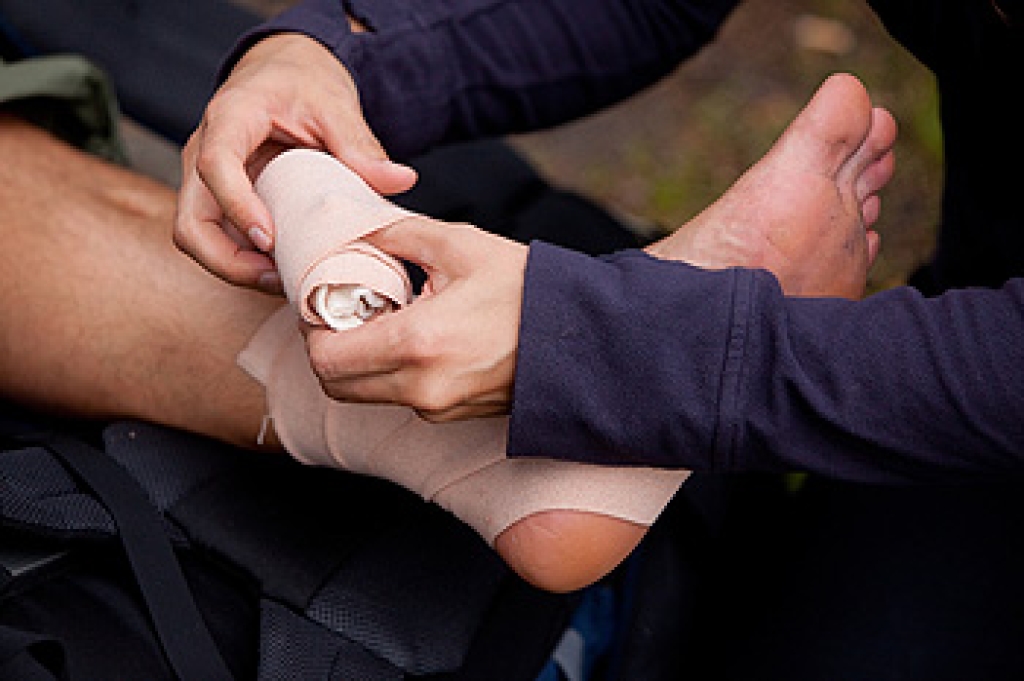
Pregnant women often experience foot pain, and a common ailment during pregnancy can include leg cramps. They may develop as a result of shortened calf muscles, and they can cause severe pain and discomfort. Additional reasons why foot cramps can develop may be from a vitamin deficiency, or an imbalance in electrolytes. This type of pain generally occurs in the third trimester, and will gradually diminish once the baby is born. Relief may be attained when the affected leg is stretched, and the foot is rotated several times in clockwise and counterclockwise directions. If you would like additional information on why leg cramps can occur during pregnancy, and how to prevent them, please consult with a podiatrist.

Pregnant women with swollen feet can be treated with a variety of different methods that are readily available. For more information about other cures for swollen feet during pregnancy, consult with one of our podiatrists from Pennsylvania Foot & Ankle. Our doctors will attend to all of your foot and ankle needs.

What Foot Problems Can Arise During Pregnancy?

One problem that can occur is overpronation, which occurs when the arch of the foot flattens and tends to roll inward.  This can cause pain and discomfort in your heels while you’re walking or even just standing up, trying to support your baby.  

Another problem is edema, or swelling in the extremities. This often affects the feet during pregnancy but tends to occur in the later stages. 

How Can I Keep My Feet Healthy During Pregnancy?

  • Wearing orthotics can provide extra support for the feet and help distribute weight evenly
  • Minimize the amount of time spent walking barefoot
  • Wear shoes with good arch support
  • Wear shoes that allow for good circulation to the feet
  • Elevate feet if you experience swelling
  • Massage your feet
  • Get regular, light exercise, such as walking, to promote blood circulation to the feet

If you have any questions, please feel free to contact one of our offices located in Bensalem, Philadelphia, Northeast Philadelphia, Yardley, PA, and Hamilton, NJ . We offer the newest diagnostic and treatment technologies for all your foot care needs.

Read more about Pregnancy and Foot Health

How Do I Know if I Broke My Toe?

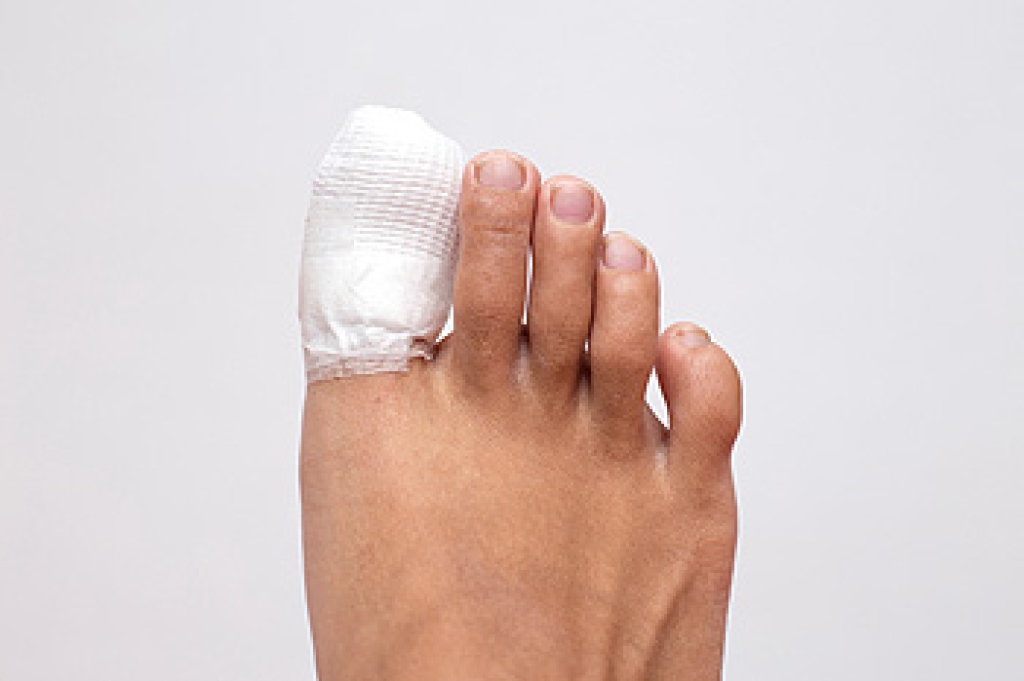
A broken toe is typically the result of trauma. Some examples include stubbing your toe against a piece of furniture, dropping something on your toe, or forcefully bending the toe while playing sports. In some cases small but repetitive injuries to the toe, especially from exercises like running and jumping, can cause a small crack to form in the bone known as a stress fracture. Symptoms of a broken toe include pain that worsens when the affected toe is moved or touched, swelling, bruising, and a decreased range of motion. You may hear a snap or pop in the toe at the time of injury which indicates that the bone may be affected. In more serious cases, the affected toe may look deformed, be pointed in the wrong direction, or be twisted outside of its normal position. Broken toes are diagnosed through physical examination and X-rays. If you believe you have broken your toe it is recommended that you seek the care of a podiatrist.   

A broken toe can be very painful and lead to complications if not properly fixed. If you have any concerns about your feet, contact one of our podiatrists from Pennsylvania Foot & Ankle. Our doctors will treat your foot and ankle needs.

What to Know About a Broken Toe

Although most people try to avoid foot trauma such as banging, stubbing, or dropping heavy objects on their feet, the unfortunate fact is that it is a common occurrence. Given the fact that toes are positioned in front of the feet, they typically sustain the brunt of such trauma. When trauma occurs to a toe, the result can be a painful break (fracture).

Symptoms of a Broken Toe

  • Throbbing pain
  • Swelling
  • Bruising on the skin and toenail
  • The inability to move the toe
  • Toe appears crooked or disfigured
  • Tingling or numbness in the toe

Generally, it is best to stay off of the injured toe with the affected foot elevated.

Severe toe fractures may be treated with a splint, cast, and in some cases, minor surgery. Due to its position and the pressure it endures with daily activity, future complications can occur if the big toe is not properly treated.

If you have any questions, please feel free to contact one of our offices located in Bensalem, Philadelphia, Northeast Philadelphia, Yardley, PA, and Hamilton, NJ . We offer the newest diagnostic and treatment technologies for all your foot care needs.
Read more about What to Know About a Broken Toe

Why Live with Pain and Numbness in Your Feet?

Suffering from this type of pain? You may have the foot condition known as Morton's neuroma. Morton's neuroma may develop as a result of ill-fitting footwear and existing foot deformities. We can help.

Techniques That May Help to Prevent Falls

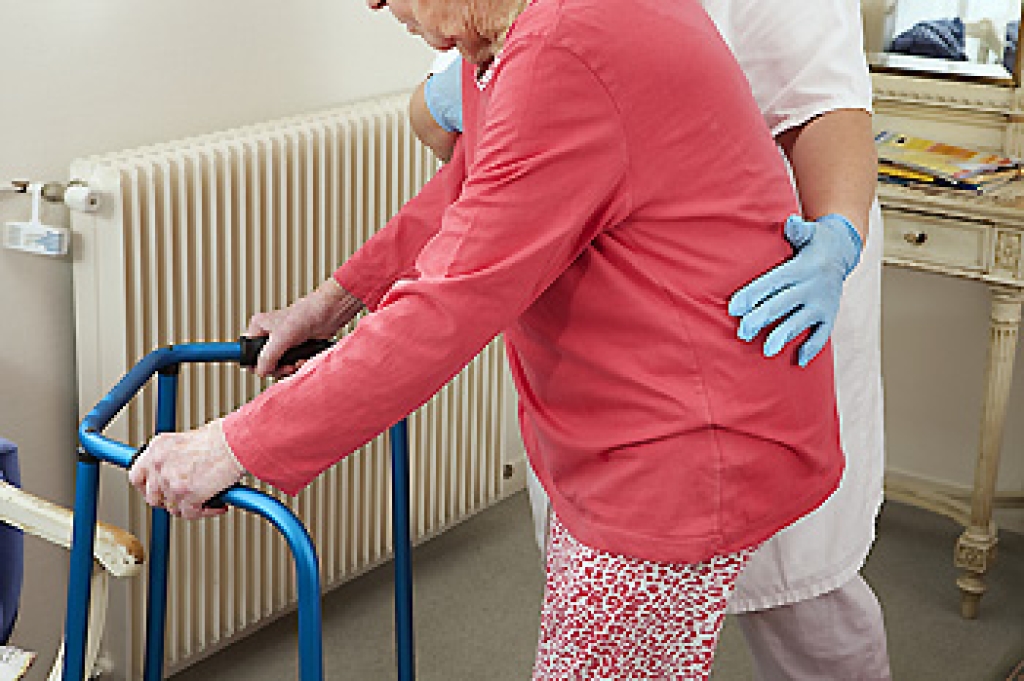
Research has indicated that frequent stretching and exercise may prevent falling episodes. This may be a result of the body becoming stronger as specific routines are performed, and falling may happen less often. Flexibility can be increased, and coordination and balance may also improve. Many injuries that can affect the feet can occur from falling, and this may cause difficulty in accomplishing daily activities. It is important to ensure the living environment is free of clutter, and it may help to install grab bars in the shower and toilet area. For added safety, many people choose to have a bath mat in the shower or tub area, as this can provide security. It is beneficial to have regular physical and eye examinations, as this may help to manage and update existing medication. If you would like additional information about how falling can impact the feet, please consult with a podiatrist.

Preventing falls among the elderly is very important. If you are older and have fallen or fear that you are prone to falling, consult with one of our podiatrists from Pennsylvania Foot & Ankle. Our doctors will assess your condition and provide you with quality advice and care.

Every 11 seconds, an elderly American is being treated in an emergency room for a fall related injury. Falls are the leading cause of head and hip injuries for those 65 and older. Due to decreases in strength, balance, senses, and lack of awareness, elderly persons are very susceptible to falling. Thankfully, there are a number of things older persons can do to prevent falls.

How to Prevent Falls

Some effective methods that older persons can do to prevent falls include:

  • Enrolling in strength and balance exercise program to increase balance and strength
  • Periodically having your sight and hearing checked
  • Discuss any medications you have with a doctor to see if it increases the risk of falling
  • Clearing the house of falling hazards and installing devices like grab bars and railings
  • Utilizing a walker or cane
  • Wearing shoes that provide good support and cushioning
  • Talking to family members about falling and increasing awareness

Falling can be a traumatic and embarrassing experience for elderly persons; this can make them less willing to leave the house, and less willing to talk to someone about their fears of falling. Doing such things, however, will increase the likelihood of tripping or losing one’s balance. Knowing the causes of falling and how to prevent them is the best way to mitigate the risk of serious injury.  

If you have any questions, please feel free to contact one of our offices located in Bensalem, Philadelphia, Northeast Philadelphia, Yardley, PA, and Hamilton, NJ . We offer the newest diagnostic and treatment technologies for all your foot care needs.
Read more about Falls Prevention

Soccer Players May Be Prone to Developing Blisters on the Feet

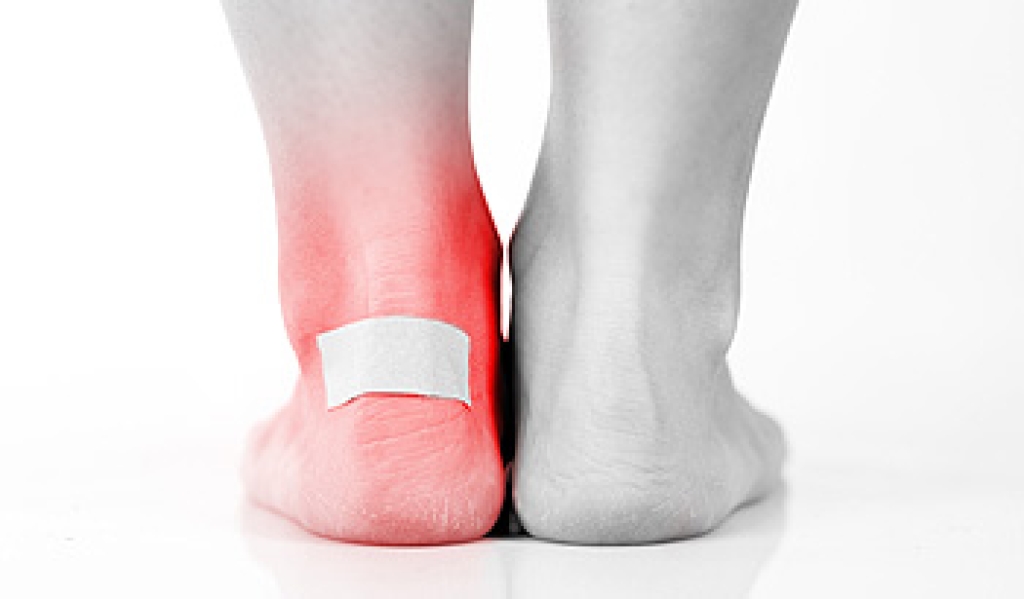
A blister is an accumulation of fluid on the top layer of the skin. It generally occurs as a result of excessive friction, and it is the body’s natural response to heal damaged skin. Soccer players may experience long training sessions, or they may wear soccer cleats that do not fit properly and both may lead to unwanted blisters. A blister will typically be preceded by a warm reddened area, and will rapidly fill with a protective fluid. This will gradually drain as the new skin develops underneath it. It may help to apply a protective bandage over it, which can be beneficial in preventing early puncturing. Blisters may be avoided when the skin on the feet is clean, and the soccer cleats that are worn fit properly. A podiatrist can effectively treat blisters on the feet, and it is suggested that you confer with this type of doctor who can help you to manage this condition.

Blisters may appear as a single bubble or in a cluster. They can cause a lot of pain and may be filled with pus, blood, or watery serum. If your feet are hurting, contact one of our podiatrists of Pennsylvania Foot & Ankle. Our doctors can provide the care you need to keep you pain-free and on your feet.

Foot Blisters

Foot blisters are often the result of friction. This happens due to the constant rubbing from shoes, which can lead to pain.

What Are Foot Blisters?

A foot blister is a small fluid-filled pocket that forms on the upper-most layer of the skin. Blisters are filled with clear fluid and can lead to blood drainage or pus if the area becomes infected.

Symptoms

(Blister symptoms may vary depending on what is causing them)

  • Bubble of skin filled with fluid
  • Redness
  • Moderate to severe pain
  • Itching

Prevention & Treatment

In order to prevent blisters, you should be sure to wear comfortable shoes with socks that cushion your feet and absorb sweat. Breaking a blister open may increase your chances of developing an infection. However, if your blister breaks, you should wash the area with soap and water immediately and then apply a bandage to the affected area. If your blisters cause severe pain it is important that you call your podiatrist right away.

If you have any questions, please feel free to contact one of our offices located in Bensalem, Philadelphia, Northeast Philadelphia, Yardley, PA, and Hamilton, NJ . We offer the newest diagnostic and treatment technologies for all your foot care needs.
Read more about Blisters on the Feet

What Flip Flops Can Do to Your Feet

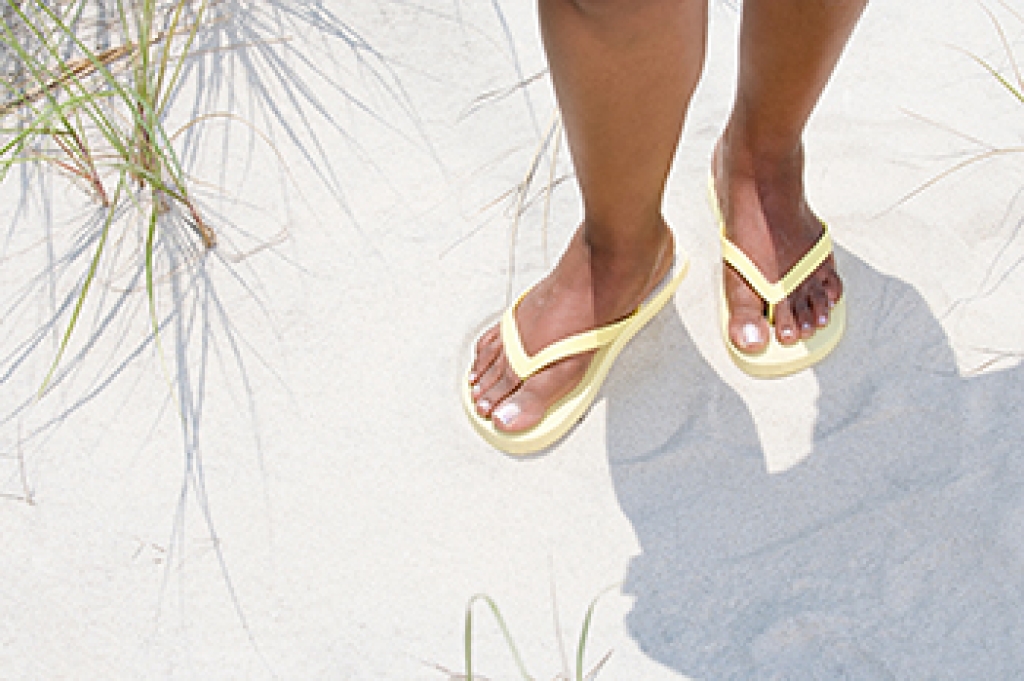
Flip flops are a popular shoe style, and many people enjoy wearing them in the warm summer months. They are constructed with flat, foam soles, and have a plastic or rubber strap that lies between the big toe and second toe. Despite the simplicity of wearing them, they could possibly cause damage to your feet. Bunions can form as a result of pulled and overstretched ligaments, and may cause severe pain and discomfort. Additionally, the majority of flip flops have little or no arch support, and this may cause conditions such as plantar fasciitis and heel spurs to arise. The possible damage that can happen to your feet from frequently wearing flip flops may outweigh the temporary ease that comes from wearing these types of shoes. If you would like more information about how flip flops can affect your feet, please consult with a podiatrist.

Flip-flops can cause a lot of problems for your feet. If you have any concerns about your feet or ankles, contact one of our podiatrists from Pennsylvania Foot & Ankle. Our doctors will assist you with all of your foot and ankle needs.

Flip-Flops and Feet

Flip-flops have managed to become a summer essential for a lot of people. While the shoes may be stylish and easy to slip on and off, they can be dangerous to those who wear them too often. These shoes might protect you from fungal infections such as athlete’s foot, but they can also give you foot pain and sprained ankles if you trip while wearing them.

When Are They Okay to Wear?

Flip-flops should only be worn for very short periods of time. They can help protect your feet in places that are crawling with fungi, such as gym locker rooms. Athlete’s foot and plantar warts are two common fungi that flip-flops may help protect your feet against.

Why Are They Bad for My Feet?

These shoes do not offer any arch support, so they are not ideal for everyday use. They also do not provide shock absorption or heel cushioning which can be problematic for your feet. Additionally, you may suffer from glass cuts, puncture wounds, and stubbed toes since they offer little protection for your feet.

More Reasons Why They Are Bad for Your Feet

  • They Slow You Down
  • May Cause Blisters and Calluses
  • Expose Your Feet to Bacteria

If you have any questions, please feel free to contact one of our offices located in Bensalem, Philadelphia, Northeast Philadelphia, Yardley, PA, and Hamilton, NJ . We offer the newest diagnostic and treatment technologies for all your foot care needs.

Read more about Flip Flops and Feet

Plantar Warts Can Be Treated!

Plantar warts are small growths that develop on parts of the feet that bear weight. They're typically found on the bottom of the foot. Don't live with plantar warts, and call us today!

Who Is Prone to Developing Neuropathy?

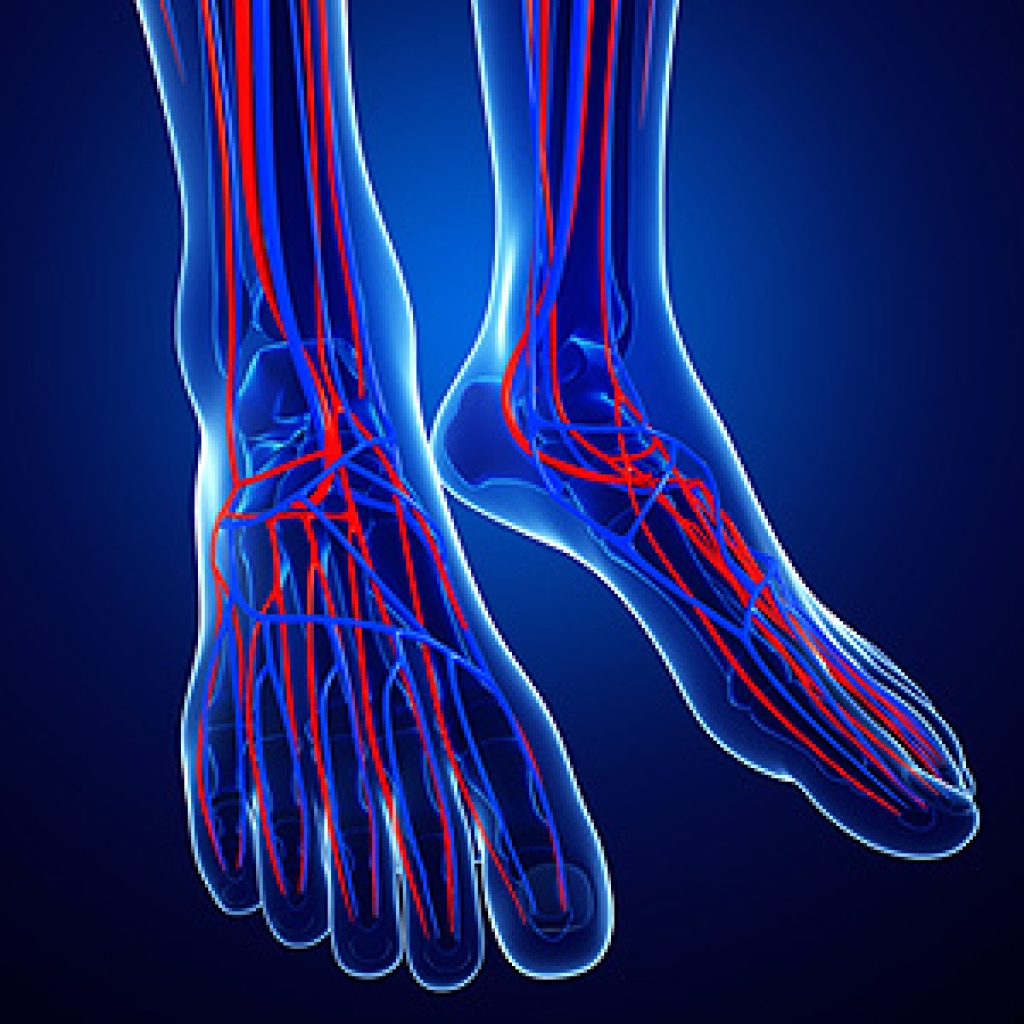
The medical condition that is known as neuropathy can be a common ailment among diabetic patients. It can develop as a result of excessively high sugar levels in the bloodstream and affects more than fifty percent of people who are diabetic. The most common symptoms are tingling sensations, or the feet may feel numb. This may lead to the inability to feel cuts, bruises, or wounds that develop on the feet, and this can cause significant complications when left untreated. There may be existing medical conditions that can cause neuropathy. These can include elevated cholesterol levels and high blood pressure. If you are experiencing numbness or pain in your feet, it is strongly suggested that you speak with a podiatrist who can properly diagnose and treat neuropathy.

Neuropathy

Neuropathy can be a potentially serious condition, especially if it is left undiagnosed. If you have any concerns that you may be experiencing nerve loss in your feet, consult with one of our podiatrists from Pennsylvania Foot & Ankle. Our doctors will assess your condition and provide you with quality foot and ankle treatment for neuropathy.

What Is Neuropathy?

Neuropathy is a condition that leads to damage to the nerves in the body. Peripheral neuropathy, or neuropathy that affects your peripheral nervous system, usually occurs in the feet. Neuropathy can be triggered by a number of different causes. Such causes include diabetes, infections, cancers, disorders, and toxic substances.

Symptoms of Neuropathy Include:

  • Numbness
  • Sensation loss
  • Prickling and tingling sensations
  • Throbbing, freezing, burning pains
  • Muscle weakness

Those with diabetes are at serious risk due to being unable to feel an ulcer on their feet. Diabetics usually also suffer from poor blood circulation. This can lead to the wound not healing, infections occurring, and the limb may have to be amputated.

Treatment

To treat neuropathy in the foot, podiatrists will first diagnose the cause of the neuropathy. Figuring out the underlying cause of the neuropathy will allow the podiatrist to prescribe the best treatment, whether it be caused by diabetes, toxic substance exposure, infection, etc. If the nerve has not died, then it’s possible that sensation may be able to return to the foot.

Pain medication may be issued for pain. Electrical nerve stimulation can be used to stimulate nerves. If the neuropathy is caused from pressure on the nerves, then surgery may be necessary.

If you have any questions, please feel free to contact one of our offices located in Bensalem, Philadelphia, Northeast Philadelphia, Yardley, PA, and Hamilton, NJ . We offer the newest diagnostic and treatment technologies for all your foot care needs.
Read more about Neuropathy

Why Do Plantar Warts Grow Inward?

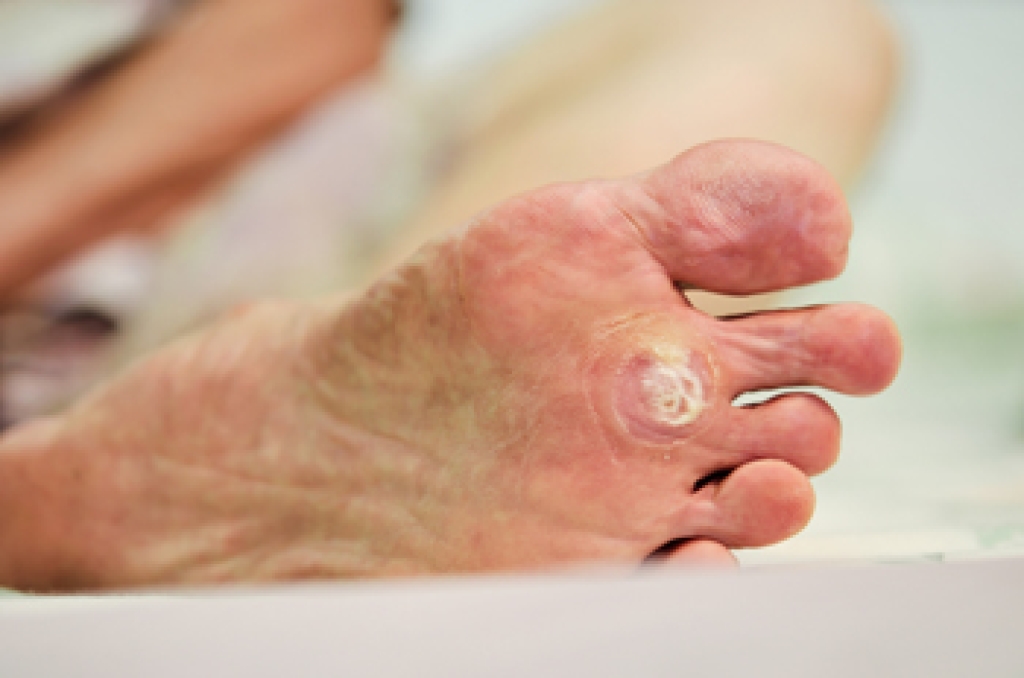
The human papilloma virus (HPV) is responsible for the development of warts on the body. Warts can form in various places and may cause pain and discomfort when they are on the bottom of the feet. These are referred to as plantar warts and are considered to be contagious. They grow inward as a result from the pressure the feet endure for the majority of the day. Plantar warts appear as small, hardened areas that are often filled with tiny black dots, which are actually blood. There are several forms of treatment that can be prescribed for plantar warts. If you have developed these types of warts, please consult with a podiatrist who can determine what the best form of treatment is for you.

Plantar warts can be very uncomfortable. If you need your feet checked, contact one of our podiatrists from Pennsylvania Foot & Ankle. Our doctors will assist you with all of your foot and ankle needs.

About Plantar Warts

Plantar warts are the result of HPV, or human papillomavirus, getting into open wounds on the feet. They are mostly found on the heels or balls of the feet.

While plantar warts are generally harmless, those experiencing excessive pain or those suffering from diabetes or a compromised immune system require immediate medical care. Plantar warts are easily diagnosed, usually through scraping off a bit of rough skin or by getting a biopsy.

Symptoms

  • Lesions on the bottom of your feet, usually rough and grainy
  • Hard or thick callused spots
  • Wart seeds, which are small clotted blood vessels that look like little black spots
  • Pain, discomfort, or tenderness of your feet when walking or standing

Treatment

  • Freezing
  • Electric tool removal
  • Laser Treatment
  • Topical Creams (prescription only)
  • Over-the-counter medications

To help prevent developing plantar warts, avoid walking barefoot over abrasive surfaces that can cause cuts or wounds for HPV to get into. Avoiding direct contact with other warts, as well as not picking or rubbing existing warts, can help prevent the further spread of plantar warts. However, if you think you have developed plantar warts, speak to your podiatrist. He or she can diagnose the warts on your feet and recommend the appropriate treatment options.

If you have any questions, please feel free to contact one of our offices located in Bensalem, Philadelphia, Northeast Philadelphia, Yardley, PA, and Hamilton, NJ . We offer the newest diagnostic and treatment technologies for all your foot care needs.
Read more about All About Plantar Warts

What Is a Midfoot Sprain?

A midfoot sprain is an injury of the ligaments near the center of the foot. This injury is common among athletes, especially those who play sports such as football, soccer, basketball, and field hockey, or sports where the foot is locked into position, such as windsurfing. Midfoot sprains are caused by a twisting motion in which your body moves but your foot stays planted on the ground. When you twist your body, all the force that occurs as you plant and pivot is transmitted through the foot, leading to a potential overstretching or tearing of the ligaments in the midfoot region. Typical symptoms of a midfoot sprain include pain, swelling, and bruising in the affected area. You may also have difficulty putting weight on the affected foot. If you believe that you may have a midfoot sprain, it is suggested that you seek the care of a podiatrist.

Sports related foot and ankle injuries require proper treatment before players can go back to their regular routines. For more information, contact one of our podiatrists of Pennsylvania Foot & Ankle. Our doctors can provide the care you need to keep you pain-free and on your feet.

Sports Related Foot and Ankle Injuries

Foot and ankle injuries are a common occurrence when it comes to athletes of any sport. While many athletes dismiss the initial aches and pains, the truth is that ignoring potential foot and ankle injuries can lead to serious problems. As athletes continue to place pressure and strain the area further, a mild injury can turn into something as serious as a rupture and may lead to a permanent disability. There are many factors that contribute to sports related foot and ankle injuries, which include failure to warm up properly, not providing support or wearing bad footwear. Common injuries and conditions athletes face, including:

  • Plantar Fasciitis
  • Achilles Tendinitis
  • Achilles Tendon Rupture
  • Ankle Sprains

Sports related injuries are commonly treated using the RICE method. This includes rest, applying ice to the injured area, compression and elevating the ankle. More serious sprains and injuries may require surgery, which could include arthroscopic and reconstructive surgery. Rehabilitation and therapy may also be required in order to get any recovering athlete to become fully functional again. Any unusual aches and pains an athlete sustains must be evaluated by a licensed, reputable medical professional.

If you have any questions please contact one of our offices located in Bensalem, Philadelphia, Northeast Philadelphia, Yardley, PA, and Hamilton, NJ . We offer the newest diagnostic and treatment technologies for all your foot and ankle needs.

Read more about Sports Related Foot and Ankle Injuries

Connect With Us